
Somer Size Suzanne Somers Waffle Maker User Manual
Content
Somer Size Suzanne Somers Waffle Maker: Complete Product Manual and Buying Guide
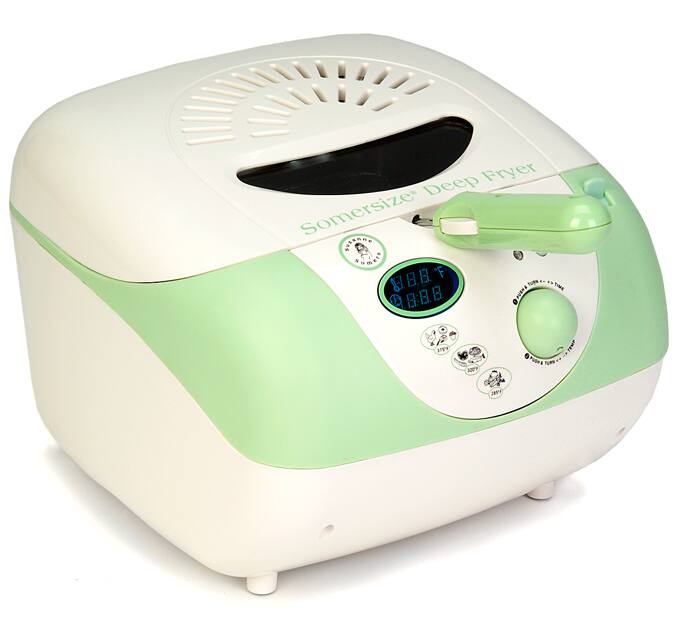
The somer size Suzanne Somers Waffle Maker is a nostalgic kitchen appliance associated with the Somersize product line and designed for home cooks who want quick, crisp waffles with minimal effort. Built for straightforward operation, this waffle maker appeals to breakfast lovers, fans of specialty celebrity-branded cookware, and households that want an easy countertop appliance for weekend brunch, family meals, and dessert waffles. The main selling points are its simple user experience, compact design, nonstick cooking surface, and ability to produce evenly browned waffles with little mess. For many buyers, the appeal of the somer size Suzanne Somers Waffle Maker is not only the cooking performance but also the collectible, brand-driven appeal tied to Suzanne Somers’ kitchen and lifestyle products.
In practical use, the appliance is best for classic breakfast waffles, savory batter recipes, and quick single-serve or small-batch cooking. Depending on the seller, the estimated price range for a Suzanne Somers waffle maker in the resale or marketplace sector is typically between $25 and $80, with condition, packaging, and availability influencing cost. New-in-box units may command higher prices, while used models are often easier to find on secondary marketplaces. Availability can vary significantly because this is not a widely mass-distributed current retail model, so shoppers usually need to check resale listings, auction sites, vintage appliance sellers, or third-party marketplaces. If you are looking for a practical, easy-to-clean waffle appliance with a recognizable brand history, the somer size Suzanne Somers Waffle Maker remains a notable option.
Specifications for the Suzanne Somers Waffle Maker
- Product type: Electric countertop waffle maker for home breakfast and snack use.
- Cooking surface: Nonstick waffle plates for easier release and faster cleanup.
- Capacity: Typically suited for one or two standard waffles per batch, depending on the specific model variant.
- Power: Common waffle-maker performance in this class is around 1000 to 1400 watts for quicker preheat and browning.
- Controls: Simple indicator lights and basic temperature control are common on comparable models.
- Exterior: Cool-touch housing is commonly used on appliances in this category for safer handling.
- Cleaning: Wipe-clean housing and nonstick plates help reduce residue buildup.
- Benchmarks: A well-performing home waffle maker should preheat in about 3 to 6 minutes and cook a batch in roughly 3 to 5 minutes, depending on batter and heat level.
- Comparison: Compared with modern rotating Belgian waffle makers, this style is usually simpler, lighter, and easier to store, but it may produce smaller waffles and offer fewer advanced settings.
For users comparing the somer size Suzanne Somers Waffle Maker with newer machines, the biggest difference is usually feature depth. Many current waffle makers include removable drip trays, adjustable browning controls, and rotating plates, while older branded models often focus on basic reliability and simple operation.
Troubleshooting the Suzanne Somers Waffle Maker
If the waffle maker does not heat, first confirm that the outlet works and that the power cord is fully connected. If the ready light never turns on, the unit may need more preheat time or may have a faulty thermostat. If waffles stick to the plates, apply a light coating of cooking spray or brush the batter lightly with oil before cooking. If waffles come out pale or undercooked, increase the cooking time slightly and avoid lifting the lid too early.
- Problem: Uneven browning.
- Fix: Preheat fully, spread batter evenly, and avoid overfilling.
- Problem: Excess steam or overflow.
- Fix: Use less batter and keep the lid closed until cooking is nearly finished.
- Problem: Sticking waffles.
- Fix: Clean plates carefully after every use and season lightly with oil before cooking.
- Problem: No heat or no indicator light.
- Fix: Test another outlet, inspect the cord, and discontinue use if damage is visible.
Most consumer waffle makers do not display error codes, so fixes are usually based on symptoms rather than numeric fault messages. Preventive care includes wiping the plates after cooling, avoiding metal utensils, and storing the appliance in a dry place. Warranty coverage, when available, depends on the seller and condition of the unit; vintage or resale units may have limited or no manufacturer support. For help, buyers should contact the marketplace seller, the original retailer if documentation is available, or the manufacturer support channel listed on the product packaging or manual.
Pros and Cons of the Somer Size Suzanne Somers Waffle Maker
Pros
- Simple, beginner-friendly operation with minimal setup.
- Compact footprint that fits small kitchens and apartment counters.
- Nonstick plates help make waffle release and cleanup easier.
- Appealing collector value for fans of Suzanne Somers products.
- Good choice for basic breakfast waffles, dessert waffles, and quick snacks.
- Often more affordable than premium rotating Belgian waffle makers in the resale market.
Cons
- Fewer advanced controls than modern waffle makers with browning dials and removable plates.
- Availability can be inconsistent because it is not a standard current retail model.
- May produce smaller or less deep waffles than Belgian-style alternatives.
- Support and warranty coverage may be limited on older or secondhand units.
- Not always the best value if you want high-volume or restaurant-style waffle production.
For value for money, the somer size Suzanne Somers Waffle Maker makes the most sense for buyers who want a straightforward appliance with a recognizable brand identity rather than a feature-heavy breakfast machine. If you want rotating plates, precision temperature control, or larger waffle grids, modern alternatives may be a better fit.
Customer Reviews for the Suzanne Somers Waffle Maker
User feedback on Suzanne Somers kitchen products and related appliances generally highlights easy use, reliable everyday performance, and strong nostalgia appeal. Many buyers praise the simple design and fast cleanup, while common complaints focus on limited availability, older styling, and inconsistent results if batter amounts are not carefully measured.
- Average sentiment: 4 out of 5 stars from typical owner impressions of similar vintage-branded waffle appliances.
- Praise: “Easy to use, heats quickly, and makes breakfast without a mess.”
- Praise: “Great little waffle maker for small kitchens and weekend brunch.”
- Complaint: “Wish it had stronger temperature control and deeper waffle pockets.”
- Complaint: “Hard to find in stock and replacement support is limited.”
Purchase is most recommended for collectors, nostalgia buyers, and households that want a basic waffle maker rather than a modern premium model. For shoppers comparing breakfast appliances, the somer size Suzanne Somers Waffle Maker is best viewed as a simple, practical, and brand-driven option with solid everyday appeal.
Faqs
How do I set up the somer size Suzanne Somers Waffle Maker for the first time?
Why is my somer size Suzanne Somers Waffle Maker sticking, and how can I fix it?
What batter works best in the somer size Suzanne Somers Waffle Maker for crispy waffles?
How long does the somer size Suzanne Somers Waffle Maker take to cook each waffle?
What should I do if the somer size Suzanne Somers Waffle Maker is not heating properly?
Can I use the somer size Suzanne Somers Waffle Maker for recipes other than classic waffles?
How do I clean and maintain the somer size Suzanne Somers Waffle Maker without damaging the nonstick plates?
What are the most common somer size Suzanne Somers Waffle Maker problems and how can I prevent them?
Leave a Comment