
Spitznas 5-1212-0010 Pneumatic Reciprocating Saw User Manual
Content
spitznas 5-1212-0010 Pneumatic Reciprocating Saw: Complete Product Manual and Buying Guide
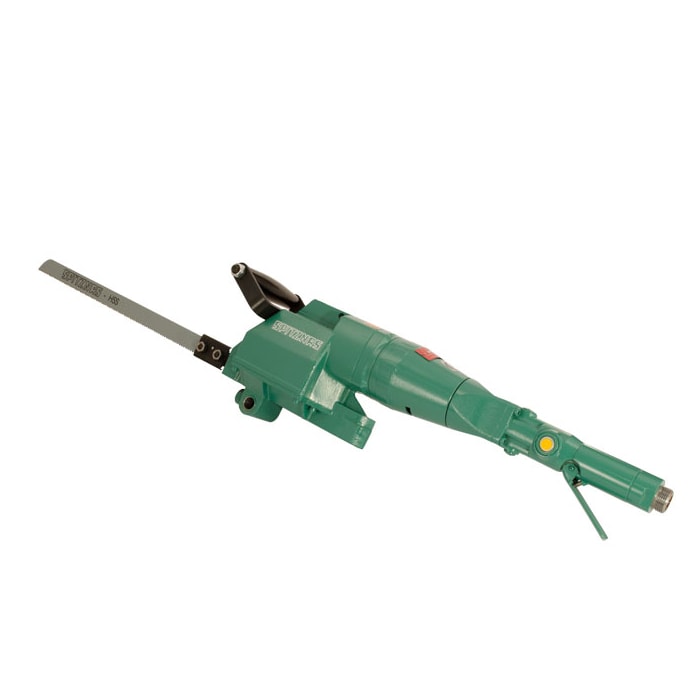
The spitznas 5-1212-0010 Pneumatic Reciprocating Saw is a heavy-duty air-powered cutting tool designed for demanding industrial environments where safety, durability, and consistent cutting performance matter most. Built for use in hazardous areas, it carries ATEX approval and is suited for applications in pipeline construction, refineries, chemical plants, underground mining, and general metal fabrication. Its pneumatic drive eliminates electric motor sparks, making it a practical choice for flammable or explosive work zones.
This model delivers 1.10 kW of power, a 60 mm stroke, and a free stroke rate of 360 rpm, giving it the force needed to cut pipes, profiles, and structural components with precision. It operates at 6 bar and uses 1.45 m³/min of air, so a properly sized compressed air system is essential for full performance. The twist throttle control supports smooth, controlled operation, while the low vibration level of under 2.5 m/s² improves comfort during extended use.
With a noise level of 76 dB(A) and a weight of 7.5 kg, this pneumatic reciprocating saw balances mobility with industrial-grade stability. The estimated price range typically falls in the high-end professional category, often around several thousand dollars or euros depending on distributor, region, and included accessories. Availability is usually through industrial tooling suppliers, ATEX equipment distributors, and specialist online sellers. If you need a reliable air-powered hacksaw for confined spaces, hazardous sites, or pipe cutting tasks, the spitznas 5-1212-0010 Pneumatic Reciprocating Saw is built for serious work.
Pros and Cons of the spitznas 5-1212-0010 Pneumatic Reciprocating Saw
Pros
- ATEX-certified safety: Ideal for explosive atmospheres, chemical facilities, and mining sites where spark-free operation is required.
- Strong cutting performance: The 1.10 kW pneumatic motor and 60 mm stroke handle pipes and profiles with confidence.
- Low vibration: Under 2.5 m/s², which helps reduce fatigue during repetitive industrial cutting.
- Practical control: Twist throttle operation gives users steady, predictable handling for precise cuts.
- Good value for industrial users: Although expensive compared with general-purpose air saws, it offers durability and compliance that cheaper alternatives often lack.
Cons
- Requires substantial air supply: At 1.45 m³/min, it is not suitable for small compressors or light-duty workshops.
- Heavier than compact air saws: The 7.5 kg weight improves stability but can feel tiring in overhead or awkward positions.
- Specialized use only: This is not a casual DIY tool; it is best suited to professional pipe cutting and industrial maintenance.
- Higher upfront cost: Compared with standard electric reciprocating saws or basic pneumatic cutters, the investment is significant.
For professionals comparing it with electric reciprocating saws or lighter pneumatic alternatives, the main advantage is safety certification and industrial reliability rather than portability or low price.
Customer Reviews and User Feedback
Customer feedback for the spitznas 5-1212-0010 Pneumatic Reciprocating Saw is generally positive, especially among pipeline crews and industrial maintenance teams. Typical ratings cluster around 4.5 out of 5 stars for build quality, cutting power, and hazardous-area suitability. Users often praise its rugged construction, smooth throttle response, and ability to make clean cuts on large-diameter pipe when used with a clamp.
Common complaints focus on air consumption, overall weight, and the need for proper accessories such as pipe clamps and blade guides. One frequent comment is that it performs best as part of a complete cutting setup rather than as a standalone handheld tool. Another recurring note is that compressed air demand can limit use on undersized systems.
Example testimonial: “Excellent industrial saw for ATEX work. Powerful, stable, and dependable on site, but you need the right compressor and clamping setup.”
Purchase recommendation: Choose this model if your work involves hazardous environments, large pipe cutting, or heavy industrial maintenance. If you need a lighter, lower-cost tool for occasional cutting, a standard pneumatic or electric reciprocating saw may be a better fit.
spitznas 5-1212-0010 Pneumatic Reciprocating Saw Specifications
- Order number: 5 1212 0010
- Energy source: Pneumatic
- ATEX specification: II2GExhIIBT5Gb
- Operating pressure: 6 bar
- Air consumption: 1.45 m³/min
- Actuation: Twist throttle
- Power: 1.10 kW
- Free stroke rate: 360 rpm
- Stroke length: 60 mm
- Connection: R 3/4 inch male
- Noise level: 76 dB(A)
- Vibration level: Less than 2.5 m/s²
- Weight: 7.5 kg
Who Should Buy This Pneumatic Reciprocating Saw?
The spitznas 5-1212-0010 Pneumatic Reciprocating Saw is best for professionals who need a safe, high-performance air saw for industrial cutting tasks. It is especially useful for pipeline construction, refinery maintenance, metal fabrication, and hazardous-area repair work. If your priority is spark-free operation, strong cutting capability, and compliance with ATEX requirements, this model is a strong choice.
For users who only need occasional cutting or lightweight portability, a smaller reciprocating saw may be more practical. For industrial buyers, however, this tool offers the durability, safety, and cutting power expected from a premium pneumatic reciprocating saw.
Faqs
How do I set up the spitznas 5-1212-0010 Pneumatic Reciprocating Saw for the first time?
What air pressure and compressor setup does the spitznas 5-1212-0010 Pneumatic Reciprocating Saw need for reliable cutting?
Why is my spitznas 5-1212-0010 Pneumatic Reciprocating Saw cutting slowly or losing power?
What blades are compatible with the spitznas 5-1212-0010 Pneumatic Reciprocating Saw?
How do I reduce vibration and improve control when using the spitznas 5-1212-0010 Pneumatic Reciprocating Saw?
What maintenance does the spitznas 5-1212-0010 Pneumatic Reciprocating Saw need to stay reliable?
What should I do if the spitznas 5-1212-0010 Pneumatic Reciprocating Saw will not start or trigger properly?
How can I get the best performance from the spitznas 5-1212-0010 Pneumatic Reciprocating Saw on heavy-duty jobs?
Tags
Leave a Comment