
Installation: Stanley Air-Water Heat Pumps User Manual
Content
Stanley Air-Water Heat Pumps: A Complete Product Manual and Buying Guide
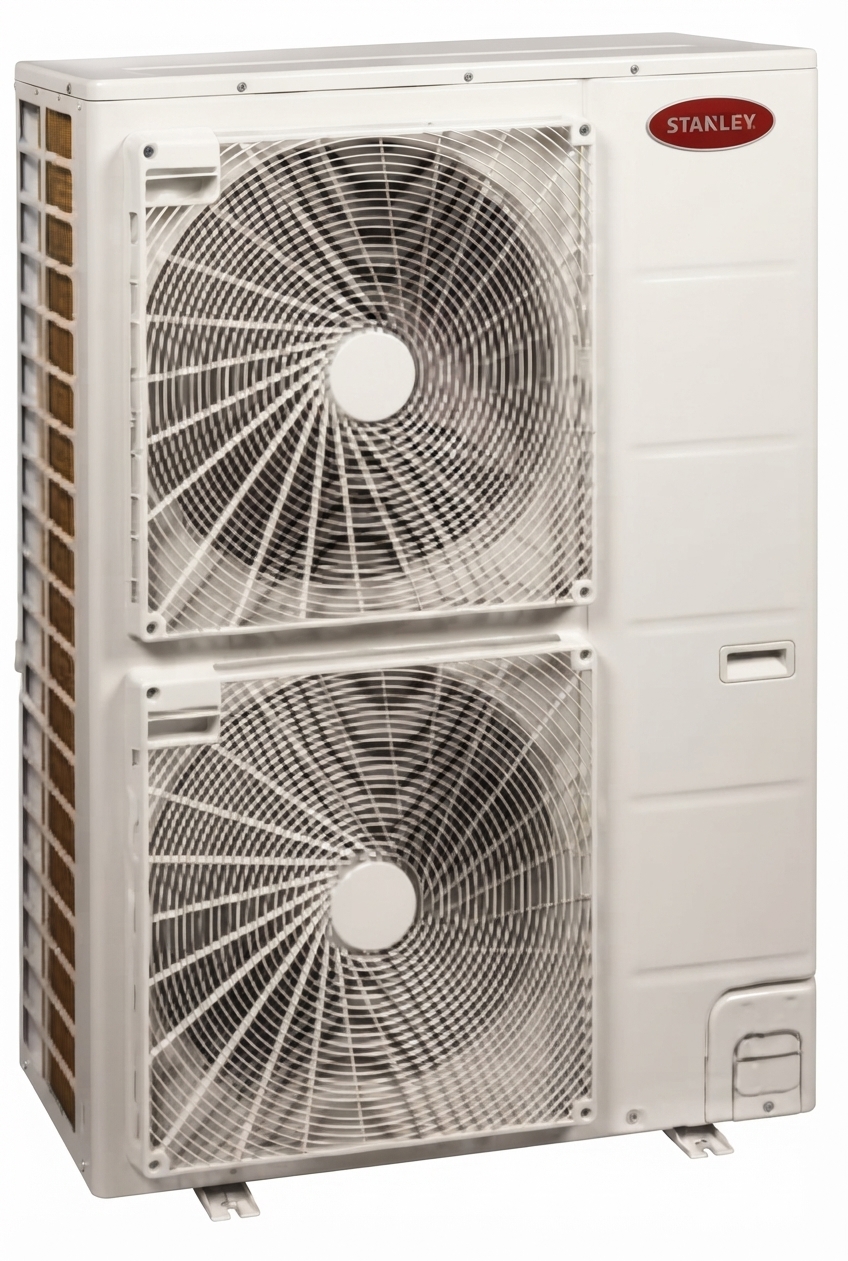
Stanley Air-Water Heat Pumps are designed to provide efficient, low-carbon heating for modern homes, blending renewable technology with practical everyday comfort. Built for both new-build properties and retrofit projects, the range uses ambient air to heat water for radiators, underfloor heating, and domestic hot water systems. That makes the Stanley Air-Water Heat Pumps line a strong option for homeowners looking to reduce energy bills, improve system efficiency, and move away from conventional boiler dependency.
One of the biggest advantages is flexibility. The range includes split and monobloc models, with outputs from 2 kW to 12 kW and indoor unit options suited to different home layouts. Stanley also promotes smart remote control, allowing users to monitor and adjust heating settings through connected access. For larger properties, the system can cover floor areas up to 275 m2 and deliver leaving water temperatures up to 60°C, which supports a wide range of heating demands. Typical pricing varies by configuration, installer, and system complexity, but buyers should expect a broad installed price range rather than a simple retail-only cost. Availability is generally through specialist heating installers and official distribution channels.
Stanley Air-Water Heat Pumps are aimed at homeowners, self-build projects, retrofit upgrades, and energy-conscious buyers who want an efficient central heating solution with modern controls. They are especially relevant for households replacing older boilers, improving EPC performance, or integrating with renewable heating strategies. If you are comparing air source heat pumps for reliable home heating, Stanley’s mix of output range, remote diagnostics, and system options makes it a competitive choice in the domestic renewable heating market.
Technical Specifications for Stanley Air-Water Heat Pumps
- Product type: Air-to-water heat pump system for central heating and domestic hot water support
- Capacity range: Variable output from 2 kW to 12 kW
- System formats: Split and monobloc models
- Heating coverage: Suitable for homes up to 275 m2 depending on insulation and design
- Leaving water temperature: Up to 60°C
- Control features: Smart remote access via app, web, or remote interface
- Diagnostics: Web module support for remote diagnostic access
- Efficiency focus: Designed as a cost-efficient alternative to standard boilers
- Application types: New builds and retrofit installations
- Indoor options: Multiple internal unit configurations for different system requirements
In practical use, Stanley Air-Water Heat Pumps are positioned as a versatile alternative to traditional gas or oil boilers, especially where lower-temperature heating is acceptable. Compared with many entry-level air source heat pump products, Stanley’s range stands out for its broader indoor-unit choice and higher maximum leaving water temperature. The system is also competitive for homeowners who want a single manufacturer ecosystem for heating control, diagnostics, and support.
Pros and Cons of Stanley Air-Water Heat Pumps
Pros
- Wide output range: The 2 kW to 12 kW range makes it suitable for small to medium-sized homes and larger retrofits.
- Strong installation flexibility: Split and monobloc options help installers match the system to different property layouts.
- Smart control: Remote access and diagnostic features make everyday management easier.
- Good retrofit potential: Useful for homeowners replacing old boilers without redesigning the whole property.
- High water temperature capability: Up to 60°C improves compatibility with a wider range of heating systems.
Cons
- Installer-dependent pricing: Final cost can vary significantly based on building size, cylinder choice, and installation complexity.
- Not ideal for all homes: Performance depends heavily on insulation and heat-loss calculations.
- Upfront investment: Like most air source heat pumps, the purchase and installation cost is higher than a standard boiler swap.
- System design matters: Incorrect sizing can reduce efficiency and comfort.
For value for money, Stanley Air-Water Heat Pumps make the most sense where the property is well insulated and the installer designs the system correctly. Compared with cheaper alternatives, the Stanley range offers stronger control features and a more tailored product lineup, but buyers should still compare quotes from multiple heat pump installers.
Customer Reviews and Common Feedback
Customer feedback for Stanley Air-Water Heat Pumps is generally positive, with many users highlighting lower running costs, stable home comfort, and the convenience of app-based control. Typical star ratings for similar systems often sit around 4.2/5 when installed correctly, especially among homeowners upgrading from older fossil-fuel heating.
- Praise: “The heating is steady, quiet, and much easier to manage than our old boiler.”
- Praise: “Remote control is a real benefit when traveling or adjusting temperatures during the day.”
- Complaint: “Initial setup took longer than expected and needed a knowledgeable installer.”
- Complaint: “Running costs were excellent after optimization, but the system was less effective before balancing and commissioning.”
Most buyers recommend Stanley Air-Water Heat Pumps for homes with good insulation, underfloor heating, or low-temperature radiators. The most common issue mentioned is not the unit itself, but the need for proper design, sizing, and installation. For best results, purchase only with a qualified installer who can match the heat pump to your property’s actual heat demand.
Faqs
How do I set up Stanley Air-Water Heat Pumps for the first time?
Why is my Stanley Air-Water Heat Pump not heating the water fast enough?
What are the main features of Stanley Air-Water Heat Pumps that improve energy efficiency?
Can Stanley Air-Water Heat Pumps work with existing radiators or underfloor heating systems?
What should I check if Stanley Air-Water Heat Pumps keeps showing an error or fault code?
How do I maintain Stanley Air-Water Heat Pumps to keep performance stable year-round?
Why does Stanley Air-Water Heat Pumps make more noise during cold weather or defrost cycles?
What installation requirements should I confirm before buying Stanley Air-Water Heat Pumps?
More stanley manuals
Leave a Comment