
State Water Heaters NOx Series 200 Commercial Gas Water Heaters User Manual
Content
State Water Heaters NOx Series 200 Commercial Gas Water Heaters: Product Manual and Buying Guide
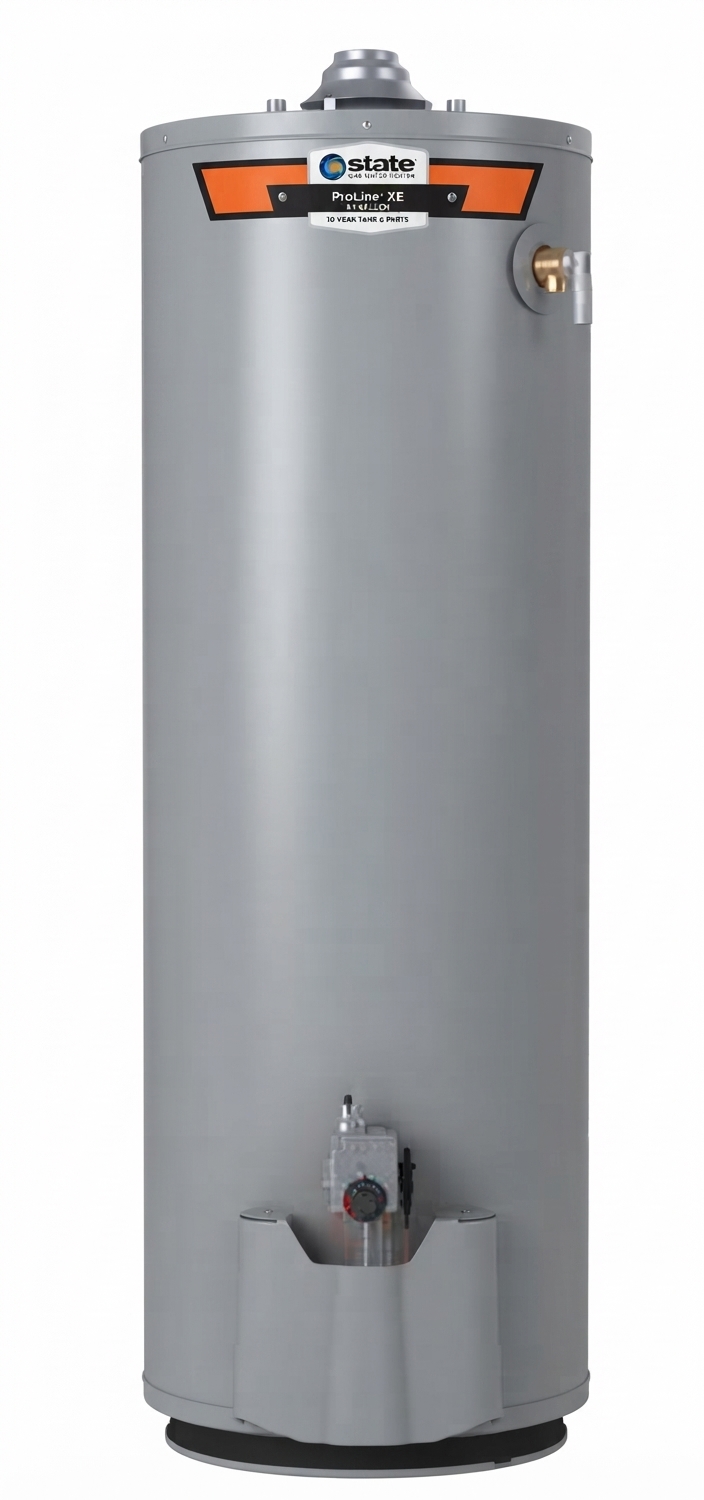
The State Water Heaters NOx Series 200 Commercial Gas Water Heaters are designed for commercial facilities that need dependable hot water, lower emissions, and consistent performance under heavy demand. Built for schools, restaurants, apartments, fitness centers, lodging properties, and light industrial spaces, this series focuses on efficient operation, code-friendly low-NOx combustion, and durable tank construction. The line is commonly associated with ultra-low NOx or low-NOx commercial gas models that are built to meet strict air-quality requirements while still delivering strong recovery rates and reliable hot water output.
One of the biggest advantages of the series is its balance of efficiency and compliance. Businesses searching for a commercial gas storage solution often choose these units because they help reduce emissions without sacrificing everyday performance. The design is also attractive for facilities that need a straightforward replacement for aging atmospheric gas water heaters. Depending on size, configuration, and fuel type, estimated pricing typically ranges from about $1,800 to $5,500 or more, with larger commercial-capacity models costing more. Availability is generally through plumbing wholesalers, commercial equipment distributors, and authorized State Water Heaters dealers.
For buyers comparing commercial gas water heaters, the State Water Heaters NOx Series 200 Commercial Gas Water Heaters stand out for their practical mix of emission control, serviceability, and commercial-grade construction. They are especially useful in applications where local air-quality rules matter, where hot water demand is continuous, and where long-term operating reliability is a priority.
Specifications for State Water Heaters NOx Series 200 Commercial Gas Water Heaters
- Product category: Commercial gas storage water heater
- Series: Series 200 low-NOx / ultra-low NOx commercial models
- Fuel type: Natural gas on most models; select models may support other configurations
- Tank capacities: Common commercial sizes include medium- to large-volume tanks for continuous-duty service
- Emissions: Low-NOx design intended to meet strict air-quality requirements in regulated markets
- Thermal performance: Commercial recovery rates designed for quick replenishment during peak usage
- Construction: Heavy-duty steel tank, commercial-grade insulation, and durable burner assembly
- Controls: Adjustable thermostat and standard commercial gas water heater safety controls
- Venting: Atmospheric venting on many models, with installation dependent on model and code requirements
- Use case: Multi-point hot water demand in hospitality, healthcare, food service, and multi-family properties
Compared with standard residential gas water heaters, the Series 200 commercial line offers higher recovery capacity, stronger continuous-use performance, and more robust construction. Compared with premium condensing commercial heaters, it is usually simpler, more affordable, and easier to service, making it a practical option for budget-conscious facilities.
Detailed Description: How the Series 200 Commercial Gas Water Heater Works
The State Water Heaters NOx Series 200 Commercial Gas Water Heaters operate by burning natural gas in a commercial burner assembly to heat water stored inside a lined steel tank. Cold water enters the tank, heat is transferred through the combustion chamber and tank surfaces, and heated water rises to the top for distribution to fixtures, boilers, or process equipment. This storage-and-recovery design makes the unit well suited for steady demand across a business day.
The low-NOx burner technology is intended to reduce nitrogen oxide emissions while maintaining combustion stability. That makes the series attractive for facilities located in regions with strict environmental regulations. In real-world use, these heaters are common in kitchens, restrooms, laundry rooms, locker rooms, and mechanical rooms where hot water must be available throughout the day.
Build quality is a strong selling point. Commercial models typically use durable tank materials, corrosion-resistant lining, and service-friendly components that support maintenance over many years. Users generally appreciate the straightforward operation, fast recovery, and familiar controls. For facility managers, the biggest advantage is reliability: the unit is designed to provide repeatable hot water output without requiring complex setup or advanced electronics.
Setup Guide for State Water Heaters NOx Series 200 Commercial Gas Water Heaters
- Place the water heater on a level, code-compliant surface with enough clearance for service access, venting, and combustion air.
- Confirm gas supply sizing, water pressure, and venting requirements before installation begins.
- Connect the cold-water inlet and hot-water outlet using approved commercial fittings and dielectric protection where required.
- Install the gas line according to local code, then test all connections for leaks before ignition.
- Set the thermostat to the recommended operating temperature for the facility, usually based on safety and demand requirements.
- Fill the tank completely with water before applying gas or electrical power to the control system.
- Follow the lighting and startup instructions for the exact model, since ignition and control details can vary.
- Verify proper burner operation, draft, and steady hot-water delivery after startup.
Configuration options may include different tank sizes, recovery rates, fuel inputs, and venting arrangements. Always match the model to the building’s demand profile. Safety is critical: never operate the heater without water in the tank, never bypass safety devices, and always keep the installation in a properly ventilated mechanical room. If the unit does not ignite, check gas supply, pilot or ignition status, vent blockage, and thermostat settings before calling service.
Troubleshooting Common Problems in Commercial Gas Water Heaters
- No hot water: Check gas supply, thermostat setting, pilot or ignition system, and any shutoff valve positions.
- Insufficient hot water: Confirm that the heater size matches demand, inspect sediment buildup, and verify burner performance.
- Burner will not light: Inspect gas pressure, ignition components, and safety lockout conditions.
- Water temperature fluctuates: Test thermostat calibration and look for mineral accumulation inside the tank.
- Unusual noise: Rumbling or popping often points to sediment in the tank and may require flushing.
- Smell of gas: Shut off the gas supply immediately, ventilate the area, and contact a licensed technician.
- Error conditions: Some commercial models use ignition or control lockouts rather than traditional numeric error codes; check the control display or status light sequence for fault indications.
Preventive maintenance includes annual inspection, burner cleaning, vent verification, anode rod checks where applicable, and periodic tank flushing. These steps can extend service life and reduce downtime. Warranty coverage is typically limited and varies by model, tank size, and installation conditions. For support, contact the authorized State Water Heaters dealer, the original installer, or local commercial plumbing service. Keep the model and serial number available when requesting help.
Pros and Cons of State Water Heaters NOx Series 200 Commercial Gas Water Heaters
Pros
- Low-NOx design helps meet stricter air-quality requirements.
- Commercial-grade recovery performance supports busy facilities.
- Straightforward storage-tank operation is easy to understand and service.
- Durable construction makes it a strong long-term value for many businesses.
- Often more affordable than high-end condensing commercial alternatives.
Cons
- Not as energy-efficient as premium condensing commercial water heaters.
- Larger units require enough floor space and proper venting.
- Performance depends heavily on correct sizing and professional installation.
- Mechanical-room maintenance is still required to keep efficiency and reliability high.
For value for money, the series is a strong choice when compliance, simplicity, and dependable output matter more than advanced efficiency features. Compared with tankless or condensing options, it is easier to install in many retrofits and often costs less upfront.
Customer Reviews of State Water Heaters NOx Series 200 Commercial Gas Water Heaters
Typical feedback for the State Water Heaters NOx Series 200 Commercial Gas Water Heaters is positive among property managers and service teams who want steady hot water and predictable maintenance. Many users rate the series around 4 out of 5 stars for reliability, recovery speed, and compliance-friendly operation.
- Praise: “It keeps up with our kitchen and restroom demand all day without major temperature drops.”
- Praise: “Installation was straightforward, and replacement parts are easy to source.”
- Complaint: “It takes regular flushing in hard-water areas to prevent sediment issues.”
- Complaint: “The initial cost is higher than some basic gas units, but the commercial build feels worth it.”
Customers often recommend this model family for hotels, gyms, apartment buildings, and small institutional facilities. Common issues mentioned in reviews involve maintenance discipline rather than product design, which makes preventive care an important part of ownership.
Faqs
How do I set up state water heaters NOx Series 200 Commercial Gas Water Heaters for the first startup?
What gas and venting requirements should I verify before installing state water heaters NOx Series 200 Commercial Gas Water Heaters?
Why is my state water heaters NOx Series 200 Commercial Gas Water Heater not heating water fast enough?
What should I do if state water heaters NOx Series 200 Commercial Gas Water Heaters keeps shutting off or showing ignition problems?
Are state water heaters NOx Series 200 Commercial Gas Water Heaters compatible with commercial kitchens, schools, and multi-bath facilities?
How can I improve efficiency and reduce operating costs on state water heaters NOx Series 200 Commercial Gas Water Heaters?
How often should I maintain state water heaters NOx Series 200 Commercial Gas Water Heaters?
What are the most common signs that state water heaters NOx Series 200 Commercial Gas Water Heaters needs service?
More state water heaters manuals
- State Water Heaters SSED-5 Commercial Electric Water Heater User Manual
- State Water Heaters Series 100 Heat Pump Water Heating System User Manual
- State Water Heaters FVIR Series 200 Gas Water Heater GPX User Manual
- State Water Heaters GPH-90N Hybrid Gas Water Heaters User Manual
- State Water Heaters UPVS-110Y-100 Electric Tankless Water Heater User Manual
- State Water Heaters SBD71120-N-P-E Gas Water Heaters User Manual
Leave a Comment