
Stoves Freestanding Dual Fuel Wok Stove User Manual
Content
Introduction: Stoves Freestanding Dual Fuel Wok Stove
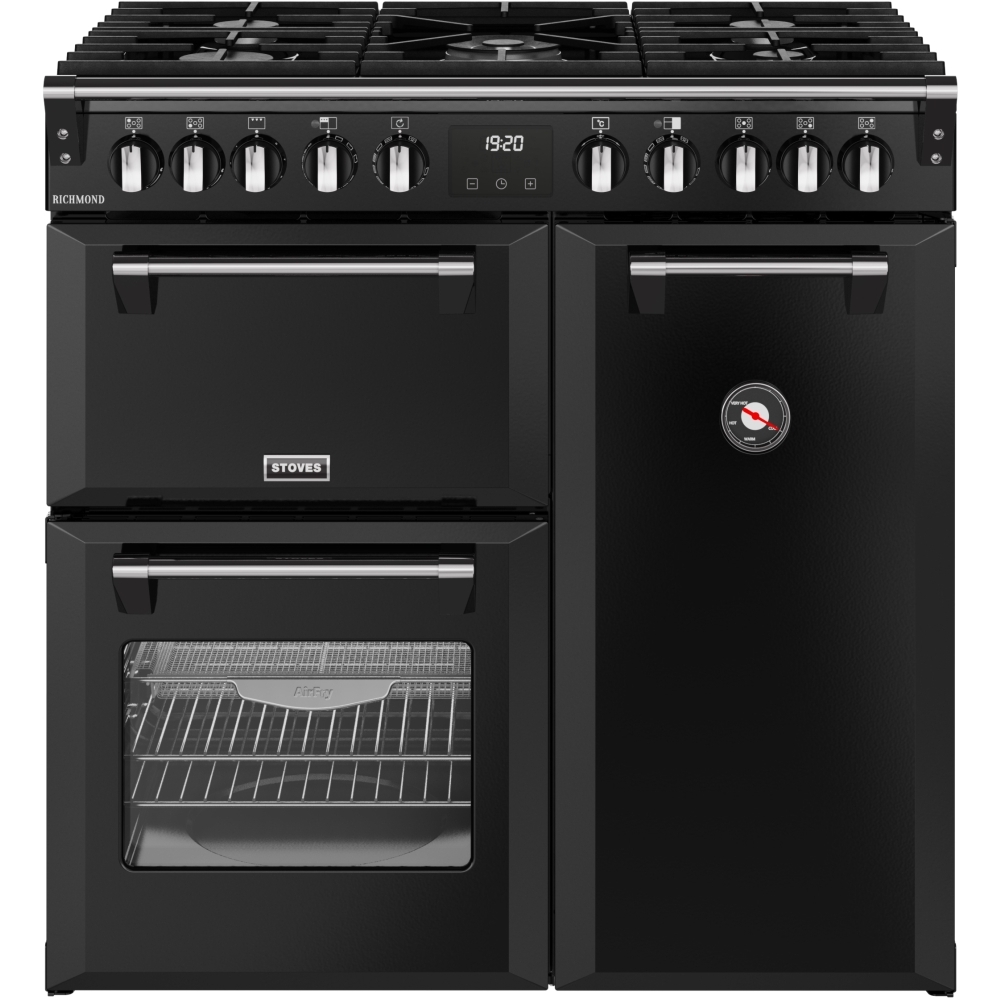
The stoves Freestanding Dual Fuel Wok Stove is designed for home cooks who want restaurant-style power, precision, and flexibility in one appliance. Combining a gas cooktop with an electric oven, it delivers fast heat response for stir-frying, boiling, and searing, while the electric oven provides even baking and roasting performance. The wok burner is the standout feature, offering intense output for high-heat cooking, making it especially valuable for Asian cuisine, deep pans, and quick-cook recipes.
This style of freestanding dual fuel range is ideal for serious home chefs, large households, and anyone upgrading from a standard cooker to a more versatile freestanding range. It fits well in modern kitchens, especially where both strong burner performance and consistent oven heat are important. Typical use cases include weeknight family meals, batch cooking, wok cooking, baking, and entertaining. Many models in this category include cast iron trivets, electronic ignition, multiple oven functions, and generous oven capacity, which improves everyday usability.
Estimated pricing generally falls between $2,500 and $6,500 depending on brand, size, finish, and features such as a 4kW PowerWok, catalytic liners, or multi-function ovens. Availability is strongest through appliance retailers, kitchen specialists, and online stores, with premium models often sold in 90cm and 120cm sizes. For buyers seeking a dual fuel range cooker that balances cooking power with practical design, this product category offers strong value and broad kitchen compatibility.
Specifications: Freestanding Dual Fuel Wok Stove Technical Details
- Type: Freestanding dual fuel range cooker with gas cooktop and electric oven.
- Cooktop: 5-burner or 6-zone configuration depending on model.
- Wok burner output: Typically around 4.0kW, with some premium units reaching higher gas outputs for rapid searing.
- Oven capacity: Commonly 100L to 172L total across one or more ovens.
- Dimensions: Popular 90cm models are usually about 898mm wide, 600mm deep, and 900mm high.
- Materials: Stainless steel finish, cast iron trivets, enamel or stainless hob surfaces, and double-glazed oven doors.
- Ignition: Electronic ignition is standard on most dual fuel wok stove models.
- Fuel setup: Natural gas standard, with LPG conversion available on many units.
- Oven functions: Fan forced, defrost, bake, grill, pizza, and convection modes are common.
- Performance: Fast burner heat-up, stable flame control, and even electric oven temperature distribution.
Compared with a standard freestanding electric stove, the stoves Freestanding Dual Fuel Wok Stove offers superior burner control and more responsive high-heat cooking. Compared with a purely gas range, it delivers better baking consistency thanks to the electric oven. This makes it a strong all-rounder for users who want both wok performance and reliable oven results.
Detailed Description: How the Dual Fuel Wok Stove Works
The stoves Freestanding Dual Fuel Wok Stove uses gas for the cooktop and electricity for the oven, giving users the best of both heat sources. Gas burners provide immediate flame control, which is essential for stir-frying, sautéing, simmering, and flash-cooking. The wok burner concentrates heat under a curved wok pan or wide skillet, helping food cook quickly while preserving texture and flavor. The electric oven, meanwhile, maintains steady internal temperatures, which is ideal for baking bread, cakes, roasts, and casseroles.
In real-world kitchens, this combination is especially useful for multi-step meals. For example, vegetables can be seared on the wok burner while a roast finishes in the oven. The freestanding design also offers flexibility during installation, making it suitable for kitchen renovations and replacements where a built-in format is not required. Most models use durable stainless steel construction, heavy-duty control knobs, and cast iron pan supports for long-term use.
User experience is typically defined by quick burner response, easy temperature adjustments, and large-capacity cooking space. Many owners appreciate the premium feel of a dual fuel range cooker because it bridges the gap between home appliances and professional-style cooking equipment.
Setup Guide: Installing a Freestanding Dual Fuel Wok Stove
Before installation, confirm that the appliance matches your kitchen gas supply, voltage, and available space. Measure the cutout or installation area carefully, leaving clearance for ventilation, safety gaps, and door swing. Because this is a dual fuel appliance, the gas connection and electrical connection both need to be properly prepared.
- Step 1: Unpack the stove and inspect it for shipping damage.
- Step 2: Level the unit using the adjustable feet or telescopic legs.
- Step 3: Position the appliance with the required rear and side clearance.
- Step 4: Connect the gas line using a qualified installer.
- Step 5: Connect the electrical supply to the correct outlet or hardwired circuit.
- Step 6: Test burner ignition and verify the oven powers on correctly.
- Step 7: Perform a short burn-in cycle to remove factory odors.
Configuration options may include LPG conversion, flame adjustment, timer settings, and oven function selection. If the burners fail to ignite, check the gas supply, ignition spark, and control knob position. Never use the stove without proper ventilation. Keep flammable items away from the hob, and do not attempt gas line work unless you are licensed to do so. For best safety, read the installation manual before use and have the appliance professionally commissioned.
Troubleshooting: Common Problems and Fixes
Most issues with a dual fuel wok stove can be solved with basic checks. If a burner will not light, confirm that the gas valve is open, the burner cap is seated correctly, and the ignition electrode is clean. If the flame is weak or uneven, the burner ports may need cleaning or the gas type may need adjustment. If the oven does not heat, verify the power connection and check whether the selected cooking mode is correct.
- Problem: Burner clicks but does not ignite. Solution: Clean the igniter and ensure the burner head is aligned.
- Problem: Flame is yellow or unstable. Solution: Check air mixture, burner cleanliness, and gas calibration.
- Problem: Oven temperature is inaccurate. Solution: Use an oven thermometer and recalibrate if supported.
- Problem: Appliance trips power. Solution: Inspect the circuit and call a qualified technician.
- Problem: Odor during first use. Solution: Run the oven empty for a short heat cycle.
Some models may display simple fault indicators rather than detailed error codes, especially for ignition or temperature sensor faults. Preventive care includes regular cleaning, checking seals, and wiping spills before they harden. Warranty terms usually cover parts and labor for a limited period, often two years on many appliances, while premium brands may offer longer support. For help, contact the retailer, the manufacturer’s support line, or a certified appliance service provider.
Pros & Cons: Is a Dual Fuel Wok Stove Worth It?
Pros
- Excellent wok cooking performance with fast, high-heat gas burners.
- Electric oven offers stable temperatures for baking and roasting.
- Freestanding design is easier to place during kitchen upgrades.
- Cast iron supports and stainless finishes add durability and a premium look.
- Strong value for buyers who want a serious all-in-one cooking solution.
Cons
- Higher upfront cost than standard electric cookers.
- Requires both gas and electrical connections, which can increase installation complexity.
- Large footprint may not suit compact kitchens.
- Some premium models need professional servicing for best long-term performance.
Compared with a basic freestanding stove, the stoves Freestanding Dual Fuel Wok Stove offers better cooking control and stronger everyday versatility. Compared with induction, it delivers more traditional wok performance, though induction may be easier to clean. For households that cook often and want professional-style results, the value for money is strong.
Customer Reviews: Real-World Feedback on the Freestanding Dual Fuel Wok Stove
Average customer sentiment is generally positive, with many users rating this type of cooker around 4 to 4.5 stars out of 5. Buyers often praise the powerful wok burner, even oven cooking, and solid build quality. One reviewer noted, “The wok burner heats instantly and makes stir-fry night much easier,” while another said, “The oven temperature is far more consistent than our old cooker.”
Common complaints usually involve installation requirements, the size of the appliance, or the learning curve when switching from electric-only cooking. Some users also mention that burner cleaning takes regular maintenance. Despite that, many recommend the stoves Freestanding Dual Fuel Wok Stove to families, home entertainers, and cooking enthusiasts who want a dependable dual fuel range cooker with real high-heat capability.
Faqs
How do I set up stoves Freestanding Dual Fuel Wok Stove for the first time?
What gas and power requirements does stoves Freestanding Dual Fuel Wok Stove need?
Why is the flame on my stoves Freestanding Dual Fuel Wok Stove uneven or weak?
Can I use a large wok safely on stoves Freestanding Dual Fuel Wok Stove?
How do I improve stir-fry performance on stoves Freestanding Dual Fuel Wok Stove?
What should I do if the ignition on stoves Freestanding Dual Fuel Wok Stove clicks but the burner will not light?
How do I clean and maintain stoves Freestanding Dual Fuel Wok Stove without damaging the finish?
What are the most common installation mistakes with stoves Freestanding Dual Fuel Wok Stove?
More stoves manuals
Leave a Comment