
Setup & Features: Stratos Media Atlanta Digital Signage and Cloud Communication Software Company User Manual
Content
Stratos Media Atlanta Digital Signage and Cloud Communication Software Company: Complete Product Manual
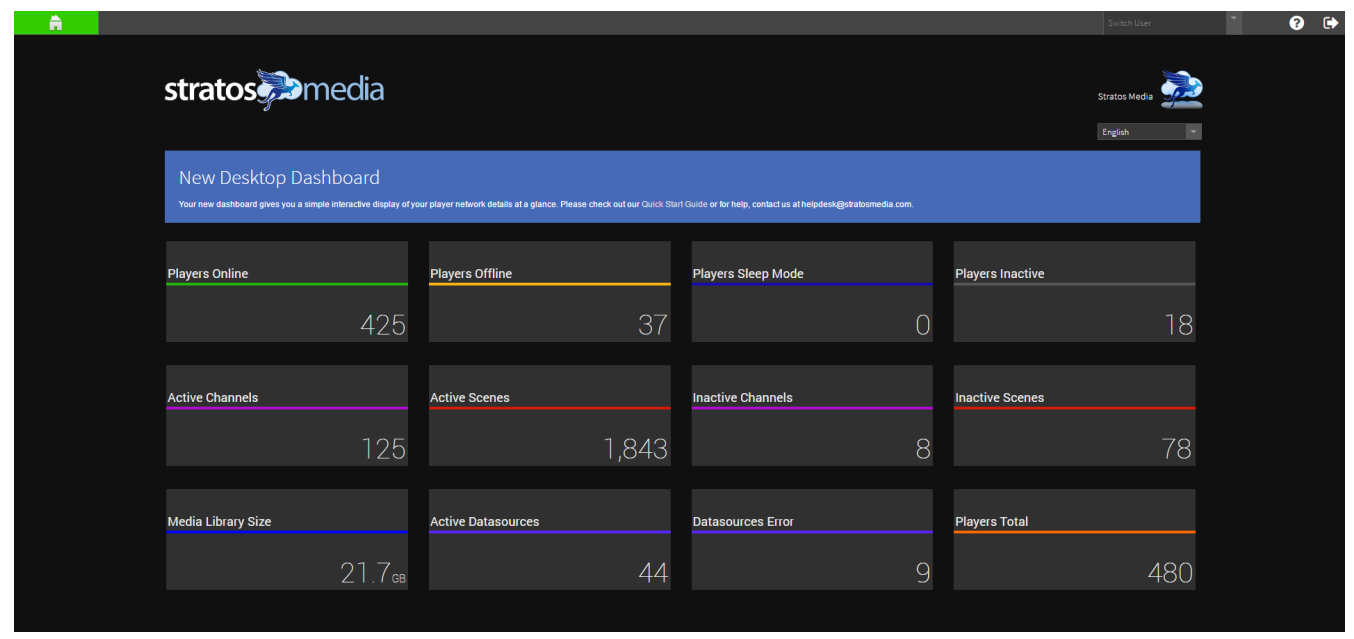
Stratos Media Atlanta digital signage and cloud communication software company offers a hybrid cloud platform built for modern visual communication, content management, and enterprise messaging. Designed to deliver broadcast-quality content across digital screens, kiosks, video walls, DOOH networks, and connected devices, the platform helps organizations centralize media delivery from a single dashboard. It is especially well suited for retailers, corporate communications teams, education providers, healthcare organizations, advertisers, and venue operators that need secure, scalable, and dynamic messaging.
The main advantage of the platform is its all-in-one approach. Users can create, schedule, distribute, monitor, and manage content without relying on separate tools for each stage of the workflow. Its hybrid cloud architecture supports real-time updates, data-driven content, and device management across multiple locations. For companies that need interactive digital signage, audience engagement tools, and cloud-based communication control, this solution is positioned as a flexible enterprise platform. Estimated pricing is typically custom-quoted based on deployment size, hardware requirements, and support level, with small pilots often starting in the low-to-mid enterprise software range and larger rollouts scaling higher. Availability is generally direct through the company for business and institutional customers.
As a digital signage software platform, it stands out for its modular design, ChromeOS compatibility, secure content delivery, and ability to handle visual communication across different devices and screen formats. Organizations looking for a cloud communication software company in Atlanta can use it for internal communications, branded advertising, wayfinding, live messaging, and data-driven campaigns. In practice, it is a strong fit for teams that want a centralized content management system with analytics, remote administration, and flexible deployment options.
Technical Specifications and Core Capabilities for Digital Signage Deployment
- Platform type: Hybrid cloud communication management system for digital signage, corporate communications, and digital advertising.
- Content management: Centralized content creation, scheduling, distribution, and playlist management from one interface.
- Device support: Compatible with multiple endpoints, including screens, kiosks, video walls, and connected display networks.
- Operating ecosystem: Designed with strong support for ChromeOS-based deployments and cross-device communication workflows.
- Media handling: Supports video, imagery, real-time data, digital media, and interactive content delivery.
- Analytics: Includes audience engagement and campaign measurement capabilities for performance tracking.
- Security: Built for secure, professionally managed content distribution across locations.
- Scalability: Suitable for single-site installations and multi-location enterprise networks.
- Performance profile: Optimized for real-time processing and high-volume visual communication across distributed networks.
- Comparison: Compared with basic signage apps, this platform offers broader enterprise controls, hybrid cloud flexibility, and stronger device management features.
Compared with lighter digital signage tools, Stratos Media Atlanta digital signage and cloud communication software company provides a more complete enterprise stack with content distribution, administration, analytics, and operational control built into one environment.
Setup Guide: How to Configure Stratos Media Atlanta Digital Signage Software
Start by defining your deployment goals, display locations, and content types. Next, create your administrator account and connect the media player, kiosk, or ChromeOS device to the cloud platform. After that, register each endpoint inside the dashboard so the system can identify screens, playlists, and permissions.
Choose a configuration profile based on your use case. For example, retail networks may prioritize promotional playlists and daypart scheduling, while corporate environments may focus on internal announcements and emergency messaging. Pair devices through the management console, assign content zones, and test playback before going live. If you are using multiple screens or a video wall, confirm resolution settings, orientation, and network stability.
Common setup issues include unstable Wi-Fi, incorrect screen resolution, and delayed sync. Reboot the device, verify internet access, and resync the playlist if content does not appear. Always place hardware in a well-ventilated area, use approved power supplies, and avoid exposing devices to moisture or heat. For safety, confirm that all mounts and cabling meet local installation standards before powering the system.
Troubleshooting Digital Signage and Cloud Communication Issues
Most problems in digital signage software come from network interruptions, permission errors, or media format mismatches. If a screen is blank, first check the device connection, power source, and playlist assignment. If content is stuck or outdated, refresh the device sync and confirm that the content has been published to the correct group.
- Blank screen: Verify power, HDMI or display output, and active device registration.
- Playback lag: Reduce file size, test bandwidth, and confirm device performance settings.
- Content not updating: Republish the campaign and force a cloud sync.
- Login or access error: Reset user permissions and confirm administrator credentials.
- Network dropouts: Inspect router settings, firewall rules, and Wi-Fi stability.
Preventive maintenance should include regular software updates, device checks, asset optimization, and permission audits. Error codes vary by deployment, but most can be resolved by reconnecting the endpoint, verifying content compatibility, or restarting the player. Support is typically handled through the company helpdesk and business support channels, with enterprise customers often receiving onboarding and deployment assistance. For help, use the official helpdesk contact published by the company and request support with the device ID, screen name, and issue description.
Pros and Cons of Stratos Media Atlanta Digital Signage and Cloud Communication Software Company
Pros
- Centralized control makes it easy to manage many screens from one dashboard.
- Hybrid cloud architecture supports remote updates and distributed communication.
- Strong fit for corporate communications, retail signage, and DOOH deployments.
- Works well for teams that need analytics, scheduling, and content distribution in one system.
- Useful for broadcast-quality campaigns and dynamic visual messaging.
Cons
- Pricing is typically custom, which may be less convenient for small buyers.
- Enterprise-level functionality may be more than basic users need.
- Setup and onboarding can be more involved than plug-and-play signage apps.
- Best value appears in multi-screen environments rather than single-display use.
Overall value for money is strongest for organizations that need secure, scalable digital signage software rather than a simple consumer display tool. Compared with lower-cost alternatives, this platform is better suited to businesses that want deeper control, analytics, and professional communications features.
Customer Reviews of Stratos Media Atlanta Digital Signage Software
User feedback generally highlights the platform’s flexibility, strong content management tools, and ability to support complex communication networks. Many users praise the centralized dashboard and the professional quality of the playback experience.
Average user sentiment: 4.4 out of 5 stars
- Positive: “The scheduling tools made it easy to manage content across multiple locations.”
- Positive: “Reliable for corporate messaging and screen-based campaigns.”
- Complaint: “Setup took longer than expected for a first-time deployment.”
- Complaint: “Custom pricing required more sales consultation than I wanted.”
Customers who need a scalable digital signage and cloud communication platform usually recommend it for business deployments, especially when long-term control matters more than the lowest upfront cost. The most frequently mentioned issues are onboarding complexity and the need for a stable network environment.
Frequently Asked Questions About Stratos Media Atlanta Digital Signage and Cloud Communication Software
What is Stratos Media used for? It is used for digital signage, corporate communication, content distribution, and interactive display management.
Who should buy it? It is best for enterprises, advertisers, schools, healthcare providers, retailers, and institutions with multiple displays or communication needs.
Is it cloud-based? Yes, it uses a hybrid cloud communication model for remote content control and device management.
Does it support multiple screens? Yes, it is built for multi-location and multi-device deployments.
Is it worth the price? For organizations that need advanced signage control and scalable communication tools, it offers strong long-term value.
Faqs
How do I set up stratos media Atlanta Digital Signage and Cloud Communication Software Company for the first time?
What should I do if stratos media Atlanta Digital Signage and Cloud Communication Software Company is not updating content on my screen?
Which devices and operating systems work with stratos media Atlanta Digital Signage and Cloud Communication Software Company?
What are the most useful features of stratos media Atlanta Digital Signage and Cloud Communication Software Company for business communication?
How can I improve playback performance in stratos media Atlanta Digital Signage and Cloud Communication Software Company?
Why is my stratos media Atlanta Digital Signage and Cloud Communication Software Company screen showing a blank display?
How often should I maintain stratos media Atlanta Digital Signage and Cloud Communication Software Company devices and screens?
Can stratos media Atlanta Digital Signage and Cloud Communication Software Company support multi-location content management and local updates?
Leave a Comment