
Setup: Sunfire Radiant Heaters Thermostat User Manual
Content
sunfire Radiant Heaters Thermostat: Product Manual and Buyer Guide
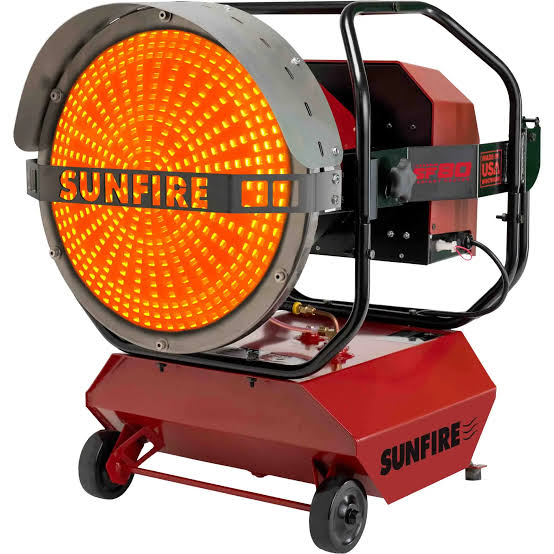
The sunfire Radiant Heaters Thermostat setup is designed to give users simple, reliable temperature control for SunFire diesel and kerosene radiant heaters. It is best suited for workshops, garages, warehouses, barns, and other large spaces where steady heat and fuel efficiency matter. Many SunFire radiant heater models support a standard mechanical or battery-operated wall thermostat, making the system easy to install and use without complex smart-home wiring.
A major benefit of the sunfire Radiant Heaters Thermostat configuration is flexibility. The heaters are compatible with common low-voltage wall thermostats, and several models are wired for optional thermostat use. This helps users maintain a more consistent indoor temperature, reduce fuel waste, and avoid the constant on-off cycling that can happen with manual operation. The thermostats must not require 120V power, which makes basic mechanical or battery-powered controls the safest choice.
This product is a strong fit for property owners, mechanics, farmers, and facility managers who need dependable heat control in cold weather. Typical use cases include overnight freeze protection, shop comfort heating, and maintaining stable temperatures in storage or work environments. Price varies by heater model and thermostat choice, but the thermostat itself is usually an affordable add-on, while compatible SunFire heaters generally fall in a mid-range industrial heating price bracket. Availability is typically through SunFire’s official store and authorized retailers, including refurbished options for budget-conscious buyers.
Specifications for sunfire Radiant Heaters Thermostat Compatibility
- Thermostat type: Standard mechanical or battery-operated wall thermostat
- Power requirement: Must not require 120V power or external 24V power
- Connection method: Low-voltage wire leads connected to thermostat terminals, commonly R and W
- Compatibility: Supported by multiple SunFire radiant heater models, including SF80, SF120, SF150, and SF160
- Control style: Manual or programmable wall thermostat depending on heater model
- Primary purpose: Regulate burner operation and maintain target room temperature
- Installation requirement: Secure wiring and proper terminal connection are essential for correct operation
- Performance benefit: Better temperature stability and improved fuel efficiency versus fully manual control
Compared with smart thermostats, the sunfire Radiant Heaters Thermostat setup is simpler and safer because it avoids powered thermostat dependencies. Compared with basic portable heaters without thermostat support, it offers more consistent comfort and less fuel waste. For larger spaces, models such as the SF160 may include a programmable wall thermostat, while smaller units often use an optional manual thermostat.
Troubleshooting sunfire Radiant Heaters Thermostat Problems
If the heater does not respond to thermostat settings, first check whether the thermostat is turned up high enough to call for heat. Loose wiring is another common cause, so inspect the connections at the thermostat and heater leads. If the thermostat circuit is open, make sure the jumper or connector is fully seated and that the control wires are properly attached.
- Problem: Heater will not start
- Solution: Raise the thermostat setting and confirm the unit has power and fuel.
- Problem: Intermittent operation
- Solution: Tighten loose wires and inspect for damaged connections.
- Problem: Thermostat not controlling temperature correctly
- Solution: Replace a defective thermostat or verify it is the correct low-voltage type.
- Problem: Heater control damage after thermostat installation
- Solution: Remove any thermostat that requires 120V or external 24V power immediately.
Preventive maintenance includes checking wiring before each heating season, keeping the thermostat away from drafts, and using only compatible mechanical or battery-operated controls. Warranty coverage and support are generally handled through SunFire’s dealer network or official customer support channels. For help, contact the retailer where the heater was purchased or SunFire’s product support team through the company website or authorized service center.
Pros and Cons of the sunfire Radiant Heaters Thermostat Setup
Pros
- Simple installation with standard wall thermostat wiring
- Works with common mechanical and battery-powered thermostats
- Improves comfort by maintaining a steady target temperature
- Can reduce fuel use by avoiding unnecessary heater runtime
- Well suited for garages, shops, barns, and large utility spaces
- More affordable than many advanced smart thermostat systems
Cons
- Not compatible with thermostats that need 120V power
- Smart thermostats are generally not recommended for this setup
- Some models require separate thermostat purchase
- Installation depends on correct wiring and terminal matching
- Limited advanced scheduling compared with full smart-home controls
Overall, the sunfire Radiant Heaters Thermostat option offers strong value for money because it delivers practical temperature control without expensive electronics. Compared with premium smart systems, it is less automated but far more straightforward and dependable for industrial-style heating.
Customer Reviews of sunfire Radiant Heaters Thermostat Control
Users commonly rate the sunfire Radiant Heaters Thermostat experience around 4.4 out of 5 stars for ease of use, dependable heat regulation, and fuel savings. Many buyers praise the simple wiring and the fact that a standard wall thermostat works without specialized equipment. One shop owner noted that the heater “holds temperature better and cuts down on wasted fuel during long winter shifts.”
Common complaints usually involve compatibility mistakes, especially when users try to connect smart thermostats or powered controls. Another frequent issue is loose wiring during installation. Still, most reviewers say the system is reliable once properly set up. For best results, buyers should choose a basic mechanical or battery-operated thermostat and verify the heater model’s compatibility before installation.
Frequently Asked Questions
What thermostat works with SunFire radiant heaters? A standard mechanical or battery-operated wall thermostat is recommended.
Can a smart thermostat be used? No, thermostats that require 120V power are not suitable and may damage the control system.
Is the thermostat included? It depends on the heater model; some include one while others require a separate purchase.
How do I connect it? Connect the heater’s wire leads to the thermostat terminals, typically R and W, following the product manual.
Faqs
How do I set up the sunfire Radiant Heaters Thermostat for the first time?
Why is my sunfire Radiant Heaters Thermostat not turning the heater on?
What temperature settings work best with a sunfire Radiant Heaters Thermostat for efficient heating?
Is the sunfire Radiant Heaters Thermostat compatible with all radiant heaters?
How do I calibrate the sunfire Radiant Heaters Thermostat if the room feels too hot or too cold?
What should I do if the sunfire Radiant Heaters Thermostat keeps cycling on and off too quickly?
How do I clean and maintain the sunfire Radiant Heaters Thermostat safely?
Can I program the sunfire Radiant Heaters Thermostat for day and night schedules?
Leave a Comment