
Toshiba RC-18DR1NMY Electric Rice Cooker User Manual
Content
Toshiba RC-18DR1NMY Electric Rice Cooker Review and User Manual
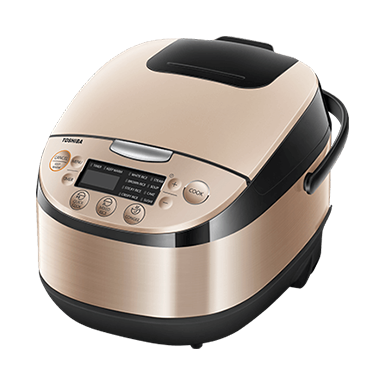
The Toshiba RC-18DR1NMY Electric Rice Cooker is a 1.8L digital rice cooker designed for families, shared kitchens, and home cooks who want reliable, consistent results with minimal effort. It combines a multi-menu digital interface with an 8-layer inner pot, black non-stick coating with Japan Bincho Charcoal, and a 4.0 mm thick pot base for even heating and better rice texture. With 11 cooking programs, this model is built for everyday rice cooking as well as congee, soup, sticky rice, brown rice, sushi, steam, and even cake. It is a practical choice for users who want one appliance to handle multiple meal types without complicated setup.
Key benefits include fast and efficient cooking, a 24-hour preset timer, a 12-hour keep-warm function, and a detachable steam vent cap that makes cleaning easier. The 220-240V power rating and 760-928W heating range make it suitable for standard household use in Malaysia and similar markets. The gold-and-black finish gives it a premium look, while the 1.8L capacity makes it ideal for medium to larger households, meal prep, or regular family dinners. The Toshiba RC-18DR1NMY Electric Rice Cooker is typically priced in the mid-range segment, with estimated availability around RM379 to RM499 depending on the retailer, season, and promotions. It is commonly available through electronics stores, appliance chains, and online marketplaces.
How to Use the Toshiba RC-18DR1NMY Electric Rice Cooker: Quick Setup Guide
Basic operating steps
- Rinse rice and measure it using the included cup.
- Add water according to the rice type and desired texture.
- Place the inner pot into the cooker and close the lid securely.
- Select the appropriate menu on the LED display.
- Press start and allow the cooker to finish automatically.
- After cooking, let rice rest briefly before serving for better texture.
For best results, use the white rice setting for everyday cooking, brown rice for whole grains, and congee or soup modes for softer dishes. The steam basket can also be used for vegetables, dumplings, and fish.
Troubleshooting Toshiba RC-18DR1NMY Rice Cooker Problems
If the rice cooker does not power on, check that the plug is fully inserted, the outlet is working, and the inner pot is seated correctly. If rice comes out undercooked, increase the water slightly, avoid opening the lid during cooking, and confirm the correct menu is selected. If the cooker overflows or boils too aggressively, reduce the rice quantity, rinse starch more thoroughly, and make sure the vent is clean.
Common error codes on Toshiba digital rice cookers usually relate to sensor, lid, communication, or voltage issues. Typical fixes include unplugging the unit, letting it cool, checking that the inner pot and lid are properly positioned, and restarting the machine. If the error returns, stop using the appliance and contact service support. Preventive care includes cleaning the steam vent regularly, drying the inner pot before reinserting it, and avoiding metal utensils that may damage the non-stick coating. Warranty coverage and support typically depend on the retailer and local Toshiba service policy, so keep your receipt and warranty card. For help, contact the retailer, Toshiba customer service center, or an authorized appliance repair provider in your region.
Pros and Cons of the Toshiba RC-18DR1NMY Electric Rice Cooker
Pros
- Large 1.8L capacity suits families and batch cooking.
- 11 cooking menus make it versatile for rice, porridge, soup, steam, and dessert recipes.
- 8-layer inner pot with Bincho Charcoal coating helps improve heat distribution and rice texture.
- 24-hour preset timer and 12-hour keep-warm mode add convenience for busy schedules.
- Detachable vent and non-stick pot make cleaning easier than many basic rice cookers.
- Strong value for money compared with premium induction models.
Cons
- Not as advanced as premium IH rice cookers for ultra-precise grain control.
- Requires careful water measurement to get the best texture with different rice types.
- The larger size may be excessive for singles or couples.
- Some users may prefer a more detailed digital interface or more specialty programs.
Overall, the Toshiba RC-18DR1NMY Electric Rice Cooker offers strong value in the mid-range category. It is a better fit than compact 1.0L models for families, but users wanting restaurant-level rice tuning may prefer higher-end alternatives from Toshiba or other premium brands.
Customer Reviews of the Toshiba RC-18DR1NMY Electric Rice Cooker
Customer feedback is generally positive, with many buyers rating it around 4.5 out of 5 stars for ease of use, cooking consistency, and build quality. Users frequently praise the fluffy rice texture, the useful preset timer, and the easy-to-clean inner pot. One common testimonial is, “It cooks rice evenly and keeps it warm without drying it out.” Another typical comment is, “The menus are simple and the pot cleans up quickly after dinner.”
Frequent complaints usually focus on the larger footprint, which may be inconvenient in small kitchens, and the learning curve for getting the right water ratio on the first few tries. Some users also mention that the cooker works best when the inner pot is handled carefully to protect the coating. Most reviewers recommend it for families, home cooks, and anyone who wants a dependable digital rice cooker with multi-function use.
Final Verdict: Is the Toshiba RC-18DR1NMY Worth Buying?
The Toshiba RC-18DR1NMY Electric Rice Cooker is a practical, feature-rich choice for households that want dependable rice cooking and easy cleanup in one appliance. Its 1.8L capacity, multiple cooking modes, and user-friendly digital controls make it a strong option for everyday use, especially for families and meal preppers. If you want a versatile rice cooker with solid value, this model is worth considering.
Frequently Asked Questions About Toshiba RC-18DR1NMY
What is the capacity of the Toshiba RC-18DR1NMY Electric Rice Cooker?
It has a 1.8L capacity, making it suitable for medium to larger households.
How many cooking menus does it have?
It includes 11 cooking menus for a wide range of dishes.
Does it have a keep-warm function?
Yes, it supports keep-warm for up to 12 hours.
Is it easy to clean?
Yes, the non-stick inner pot and detachable steam vent help simplify cleaning.
Faqs
How do I set up the toshiba RC-18DR1NMY Electric Rice Cooker for the first time?
Why is my toshiba RC-18DR1NMY Electric Rice Cooker rice turning out too mushy or too dry?
What rice types and grains work best with the toshiba RC-18DR1NMY Electric Rice Cooker?
How do I fix the toshiba RC-18DR1NMY Electric Rice Cooker if it does not start cooking?
Can I use the toshiba RC-18DR1NMY Electric Rice Cooker for foods other than rice?
What is the best way to clean and maintain the toshiba RC-18DR1NMY Electric Rice Cooker?
Why does the toshiba RC-18DR1NMY Electric Rice Cooker produce steam or a slight smell during cooking?
How can I get better cooking results from the toshiba RC-18DR1NMY Electric Rice Cooker every time?
More toshiba manuals
- Toshiba MMU-UP0071MHP-UL Air Conditioner User Manual
- Setup: Toshiba TL-MC40EZF Toaster Oven User Manual
- Toshiba RAV-SP180AT2-UL Air Conditioner User Manual
- Setup: Toshiba TWD-BM105GF4 Series Washer-Dryer User Manual
- Toshiba GR-RC133CE-PM Chest Freezer User Manual
- Toshiba Electric Rice Cooker RC-10NMF User Manual
Leave a Comment