
How to Use: Tri-Clover CL Series Centrifugal Pumps User Manual
Content
Tri-Clover CL Series Centrifugal Pumps: Complete Product Manual
Introduction
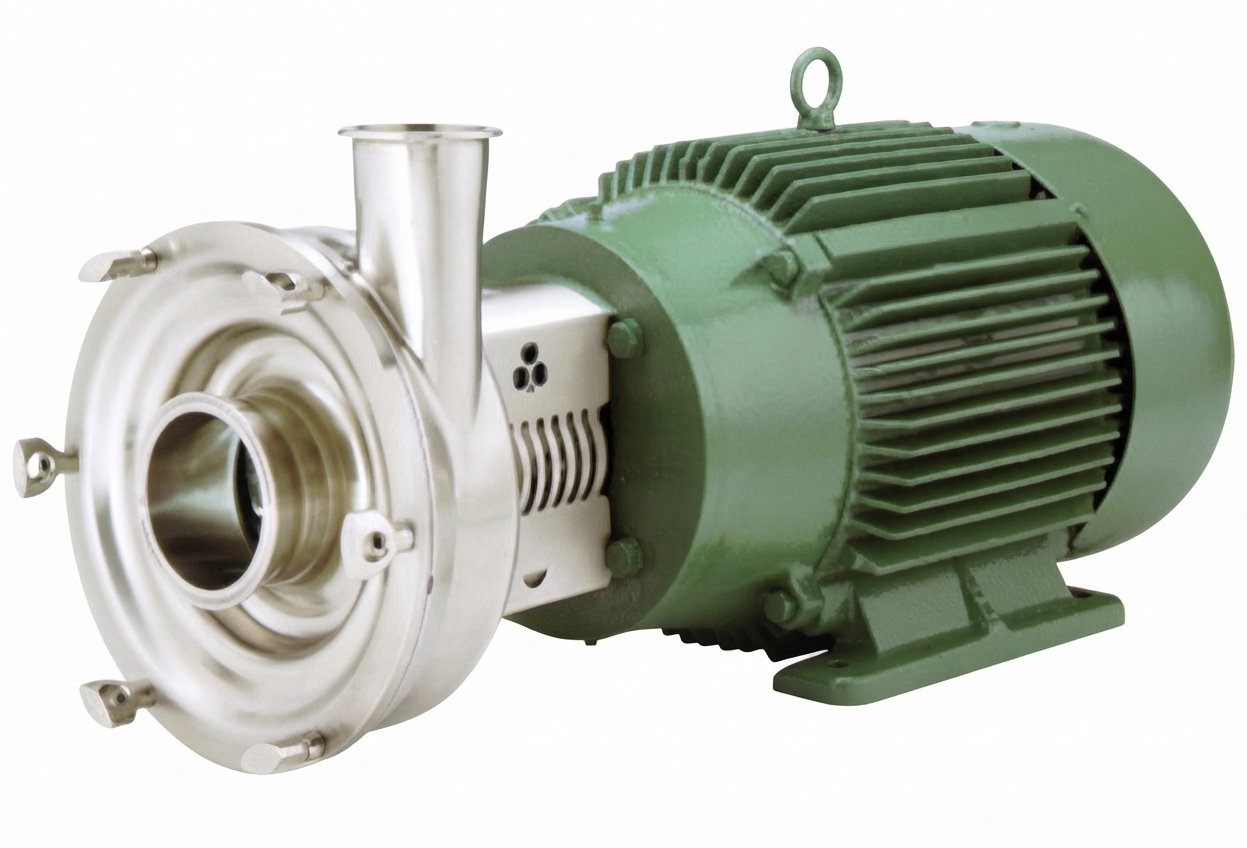
The Tri-Clover CL Series Centrifugal Pumps are sanitary, single-stage centrifugal pumps designed for demanding food, beverage, dairy, and hygienic processing applications. Built for clean-in-place (CIP) service, these pumps are engineered to move liquids efficiently while meeting strict sanitary standards. Their stainless steel construction, smooth internal finish options, and compatibility with sanitary fittings make them a strong choice for facilities that need dependable flow, easy cleaning, and long service life.
One of the biggest advantages of the tri-clover CL Series Centrifugal Pumps is their versatility. They are commonly used for product transfer, recirculation, ingredient handling, washdown support, and water-for-injection or utility service in regulated environments. Operators value the pump’s simple maintenance, quiet operation, and broad range of seal options, which help match the pump to specific process conditions. For plants that need reliable sanitary pumping without unnecessary complexity, the CL Series offers a practical balance of performance and durability.
These pumps are typically available through industrial distributors, sanitary process equipment suppliers, and OEM parts channels. Depending on configuration, motor size, seal type, and connection style, estimated pricing commonly ranges from about $2,000 to $8,000 or more per unit. New and used units may be available, with lead times varying by model and customization. For facilities searching for a proven sanitary centrifugal pump, the tri-clover CL Series Centrifugal Pumps remain a strong benchmark in the category.
Specifications for Tri-Clover CL Series Centrifugal Pumps
- Type: Single-stage sanitary centrifugal pump
- Construction: 316L stainless steel wetted parts with heavy-duty cast front cover and casing
- Sanitary design: CIP capable and designed to meet 3A sanitary requirements
- Motor interface: Standard NEMA C-flange motor configuration
- Operating temperature range: 14°F to 284°F (-10°C to 140°C)
- Maximum inlet pressure: Up to 145 psi (10 bar) depending on configuration
- Noise level: Approximately 60 to 80 dB(A)
- Seal options: Flushed and non-flushed mechanical seal variants, including water-cooled options
- Water consumption for flushed seals: Approximately 4 to 8 gph
- Connection sizes: Models available with sanitary clamp-style inlet and outlet options across multiple sizes
- Performance range: Suitable for moderate-to-high sanitary flow transfer applications
Compared with many standard industrial centrifugal pumps, the CL Series is more focused on sanitary compliance, cleanability, and food-grade construction. Compared with newer high-efficiency sanitary pumps, it may offer a more traditional design, but it remains highly respected for reliability, serviceability, and compatibility with established process systems.
Detailed Description
The tri-clover CL Series Centrifugal Pumps are designed to provide smooth, continuous liquid transfer in sanitary processing environments. The pump works by using a rotating impeller to increase liquid velocity, then converting that velocity into pressure as the liquid exits the casing. This makes the pump well suited for low-viscosity to moderately demanding fluid-handling tasks where steady flow is important.
Real-world applications include milk transfer, beverage blending, ingredient circulation, clean water movement, CIP loops, and general hygienic processing support. The pump’s stainless steel wetted surfaces help reduce contamination risk, while the sanitary geometry supports thorough cleaning between batches. Users often appreciate the solid feel of the casting, the straightforward maintenance layout, and the flexibility of seal and connection configurations.
Build quality is a major selling point. The CL Series uses robust stainless steel components, and many units are configured with polished internal surfaces for improved hygiene. In daily use, operators typically value the pump’s consistency and compatibility with existing sanitary piping systems. The result is a dependable process pump that fits well in dairies, food plants, and regulated fluid-handling environments.
Setup Guide: How to Install and Configure Tri-Clover CL Series Centrifugal Pumps
- Inspect the pump on arrival for shipping damage, missing parts, or loose fittings.
- Verify that the motor, seal type, casing size, and sanitary connections match the application requirements.
- Mount the pump securely on a stable base or frame to prevent vibration and misalignment.
- Connect the suction and discharge lines using the correct sanitary fittings and ensure all seals are clean and properly seated.
- Confirm motor wiring, rotation direction, and electrical compatibility before startup.
- Prime the pump according to process requirements and avoid dry running.
- Open valves gradually and check for leaks, unusual vibration, or abnormal noise during the first run.
- Set configuration options such as seal flush water, motor speed, and discharge arrangement based on the process.
Safety precautions are essential. Never run the pump dry for extended periods, and avoid operating beyond the rated pressure or temperature limits. If the pump is used in a hot fluid application, verify seal cooling or flush requirements before startup. If performance drops after installation, check for air leaks, blocked suction lines, incorrect rotation, or insufficient priming.
Troubleshooting Tri-Clover CL Series Centrifugal Pumps
- Pump will not prime: Check suction leaks, liquid level, inlet valve position, and suction line restrictions.
- Low flow or pressure: Inspect impeller wear, clogged piping, incorrect motor speed, or cavitation conditions.
- Excessive noise or vibration: Look for misalignment, loose mounting hardware, air entrainment, or damaged bearings.
- Seal leakage: Verify seal installation, flush water flow, elastomer compatibility, and shaft condition.
- Overheating: Confirm that the pump is operating within temperature limits and that the seal flush system is functioning properly.
- Motor trips or overloads: Check electrical supply, impeller binding, process backpressure, and motor sizing.
Preventive maintenance includes routine inspection of seals, bearings, mounting bolts, and sanitary connections. Regular cleaning helps preserve efficiency and hygiene. Warranty coverage and support typically depend on the seller, distributor, or OEM source. For help, contact the original supplier, authorized sanitary pump distributor, or industrial pump service provider listed on the purchase documentation.
Pros and Cons of Tri-Clover CL Series Centrifugal Pumps
Pros
- Sanitary stainless steel construction suited for food, dairy, and beverage applications
- CIP-capable design helps reduce cleaning time and labor
- Strong reputation for durability and long service life
- Multiple seal and connection options improve application flexibility
- Easy to maintain compared with more complex pump designs
- Good value for facilities needing a reliable sanitary pump platform
Cons
- May cost more than basic industrial centrifugal pumps
- Not ideal for highly viscous or abrasive products
- Older design compared with some newer high-efficiency pump lines
- Seal flush and water requirements may add operating complexity in some setups
For buyers comparing sanitary pump alternatives, the CL Series stands out for proven reliability and serviceability. It may not be the newest platform, but for many plants, that is part of its value.
Customer Reviews
Customer feedback for the tri-clover CL Series Centrifugal Pumps is generally positive, with many users giving them 4 to 5 stars for reliability, sanitation, and ease of maintenance. Operators frequently praise the rugged stainless steel build, stable performance, and compatibility with existing sanitary systems. Common compliments mention that the pump starts smoothly, cleans well, and holds up under daily plant use.
Some users note complaints about seal wear, higher upfront cost, or the need for careful priming and installation. A typical testimonial reads: “Very dependable pump for our dairy line. Easy to service and keeps production moving.” Another common view is: “Excellent sanitary design, but make sure the seal flush setup is correct from day one.”
For facilities that need a proven sanitary centrifugal pump, customer sentiment suggests the CL Series is a smart purchase when hygiene, durability, and maintenance simplicity matter most.
Faqs
How do I set up tri-clover CL Series Centrifugal Pumps for first-time use in a sanitary process line?
What should I check if my tri-clover CL Series Centrifugal Pumps is running but not pumping product?
Can tri-clover CL Series Centrifugal Pumps handle viscous or temperature-sensitive fluids efficiently?
What are the most important compatibility requirements for tri-clover CL Series Centrifugal Pumps in food and beverage systems?
Why is my tri-clover CL Series Centrifugal Pumps making unusual noise or vibration during operation?
How can I improve the performance of tri-clover CL Series Centrifugal Pumps without replacing the pump?
What maintenance steps should I follow to extend the life of tri-clover CL Series Centrifugal Pumps?
How do I troubleshoot poor flow or low pressure in tri-clover CL Series Centrifugal Pumps?
Leave a Comment