
Truma Combi LP Gas Furnace 4e User Manual
Content
Truma Combi LP Gas Furnace 4E: Compact RV Heating and Hot Water in One System
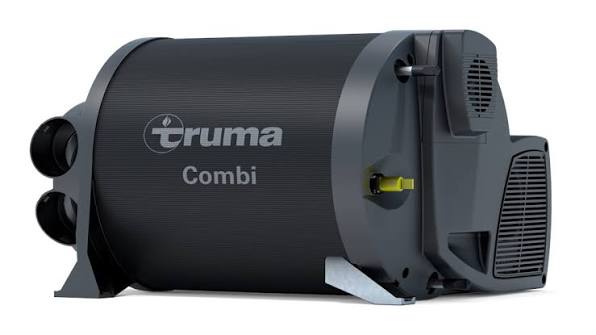
The Truma Combi LP Gas Furnace 4E is a premium all-in-one heating solution designed for campers, motorhomes, and converted vans that need reliable space heating and hot water in a single compact unit. Built for efficient performance, it combines propane gas heating with 230 V electric operation, giving users flexible climate control whether they are plugged into shore power or running off-grid. Its dual-function design makes it especially attractive for travelers who want to save space, reduce installation complexity, and enjoy consistent comfort in all seasons.
One of the biggest advantages of the Truma Combi LP Gas Furnace 4E is its ability to heat living space and warm a 10-liter water container at the same time. With rated heat output of 2000 W or 4000 W in gas mode, plus 900 W or 1800 W in electric mode, it offers strong performance for small to mid-sized recreational vehicles. Mixed mode can deliver up to 3800 W, helping users balance comfort and energy use. The unit is also known for quiet operation, compact dimensions, and efficient air distribution through multiple warm-air outlets.
This model is ideal for full-time vanlifers, weekend campers, and RV owners who need dependable heating without sacrificing storage space. It is commonly chosen for cold-weather travel, overnight stays, and long trips where both hot water and interior warmth are essential. Estimated pricing typically falls in the premium range, often around $2,000 to $3,000 USD depending on configuration, controller package, and dealer availability. Availability is generally strongest through RV specialty retailers, Truma dealers, and camper conversion suppliers.
Technical Specifications for the Truma Combi LP Gas Furnace 4E
The Truma Combi LP Gas Furnace 4E delivers a balanced mix of heating performance, electrical support, and water heating capacity. It is engineered for compact installation while still providing strong output for modern campers and motorhomes.
- Operating pressure: 30 mbar
- Gas heat output: 2000 W / 4000 W
- Electric heat output: 900 W / 1800 W
- Mixed mode output: up to 3800 W
- Fuel consumption: approximately 160 to 335 g/h
- 12 V power draw: up to 6.5 A briefly, with average consumption around 1.2 A
- 230 V power draw: 3.9 A / 7.8 A
- Water capacity: 10 liters
- Water heating time: about 23 minutes from roughly 15 °C to 60 °C
- Combined heating and water time: about 80 minutes under standard test conditions
- Air flow rate: up to 287 m³/h with four warm-air outlets
- Weight: about 15.5 kg without peripherals
- Dimensions: 510 x 450 x 300 mm
- Installation space: approximately 540 x 500 x 350 mm depending on setup
- Maximum water system pressure: 2.8 bar
Compared with similar RV combi heaters, the Truma unit stands out for its compact footprint, strong mixed-mode efficiency, and proven reputation in caravan heating. It is particularly competitive against other combi boiler and furnace systems because it combines hot water and forced-air heating without requiring separate appliances.
How to Set Up the Truma Combi LP Gas Furnace 4E
Installation should be handled by a qualified RV technician or an authorized Truma installer to ensure gas safety, correct venting, and proper electrical connections. Before starting, confirm the vehicle has the required installation space, suitable propane supply, and compatible 12 V and 230 V power access.
- Step 1: Position the unit in the approved installation compartment with enough clearance for gas lines, water connections, and the drain valve.
- Step 2: Connect the propane supply and verify that the operating pressure matches the system requirement.
- Step 3: Install the warm-air ducts and route them to the desired outlets for even cabin distribution.
- Step 4: Connect the 12 V and, if available, 230 V electrical supply according to the wiring diagram.
- Step 5: Fill and test the water container, checking for leaks and proper drainage.
- Step 6: Configure the control panel, select gas, electric, or mixed mode, and run an initial test cycle.
Configuration options typically include heating-only mode, hot-water-only mode, combined heating and water operation, and different output levels depending on energy source. If the system fails to start, first confirm gas supply, battery voltage, fuse condition, and controller settings. Never operate the furnace in an enclosed area without proper exhaust and ventilation. Keep combustible materials away from the heater and follow all propane safety precautions.
Troubleshooting the Truma Combi LP Gas Furnace 4E
Most issues with the Truma Combi LP Gas Furnace 4E are related to power supply, gas flow, airflow restrictions, or incorrect control settings. A quick checklist can resolve many common problems before professional service is needed.
- Problem: Heater will not ignite. Solution: Check propane level, open the gas valve, verify battery voltage, and restart the unit.
- Problem: Weak airflow. Solution: Inspect warm-air ducts for blockages and ensure outlets are open.
- Problem: No hot water. Solution: Confirm water container is filled, heating mode is selected, and temperature settings are correct.
- Problem: Unit shuts down unexpectedly. Solution: Look for low voltage, overheated components, or gas interruption.
- Problem: Excessive noise. Solution: Inspect fan area and duct routing for loose parts or obstructions.
Common Truma error codes often indicate faults such as ignition failure, overheating, or insufficient supply voltage. If an error appears repeatedly, record the code, restart the system once, and consult the user manual or service provider. Preventive maintenance includes annual inspections, cleaning vents, checking seals, and verifying propane connections. Warranty coverage and technical support are typically available through Truma dealers and authorized RV service centers. For help, contact the original retailer, the installing technician, or Truma customer support through regional service channels listed in the product documentation.
Pros and Cons of the Truma Combi LP Gas Furnace 4E
Pros
- Compact all-in-one design saves valuable RV space.
- Provides both cabin heat and hot water from one system.
- Flexible operation with gas, electric, and mixed modes.
- Strong 4000 W gas output supports cold-weather travel.
- Quiet, efficient airflow helps maintain comfort in living spaces.
- Good value for travelers who want fewer separate appliances.
Cons
- Premium pricing may be high for budget camper builds.
- Installation is more complex than a basic standalone heater.
- Performance depends on proper ducting and professional setup.
- Electric mode is useful but not powerful enough alone for extreme cold.
- Maintenance and replacement parts can be more specialized than generic RV heaters.
For many buyers, the value for money is strong because the unit replaces two separate systems. Compared with alternative RV furnaces, it is especially appealing for users who want efficient heating, integrated water heating, and a premium build quality. Those seeking the lowest upfront cost may prefer a basic propane furnace, but they will lose the convenience of combined functionality.
Customer Reviews of the Truma Combi LP Gas Furnace 4E
Owners commonly rate the Truma Combi LP Gas Furnace 4E between 4 and 5 stars for comfort, efficiency, and space-saving design. Many users praise how quickly it heats the cabin and how reliably it supplies hot water during travel.
- “Excellent all-in-one solution for our campervan. Heats fast and the hot water is a huge bonus.”
- “Very quiet compared with other RV heaters we have used.”
- “Installation was expensive, but the convenience is worth it.”
- “Great in shoulder season and winter, though electric mode alone is limited in very cold weather.”
Common complaints usually focus on installation cost, the need for proper ducting, and occasional sensitivity to low battery voltage. Overall, most buyers recommend it for serious campers, long-distance travelers, and anyone building a premium van conversion. Users who want dependable heat, hot water, and efficient operation in one appliance generally consider it a smart purchase.
Faqs
How do I set up the Truma Combi LP Gas Furnace 4e for the first time in an RV?
Why is my Truma Combi LP Gas Furnace 4e not igniting or heating properly?
Can the Truma Combi LP Gas Furnace 4e run on gas, electric power, or both?
What vehicles are compatible with the Truma Combi LP Gas Furnace 4e?
How do I use the Truma Combi LP Gas Furnace 4e to heat both the cabin and water at the same time?
What should I do if the Truma Combi LP Gas Furnace 4e keeps shutting off unexpectedly?
How often should I maintain the Truma Combi LP Gas Furnace 4e to keep it working efficiently?
What are the best ways to improve Truma Combi LP Gas Furnace 4e heating performance in cold weather?
More truma manuals
Leave a Comment