
Water Boss 700-Model Water Softener User Manual
Content
WaterBoss 700-Model Water Softener: Complete Product Manual and Buying Guide
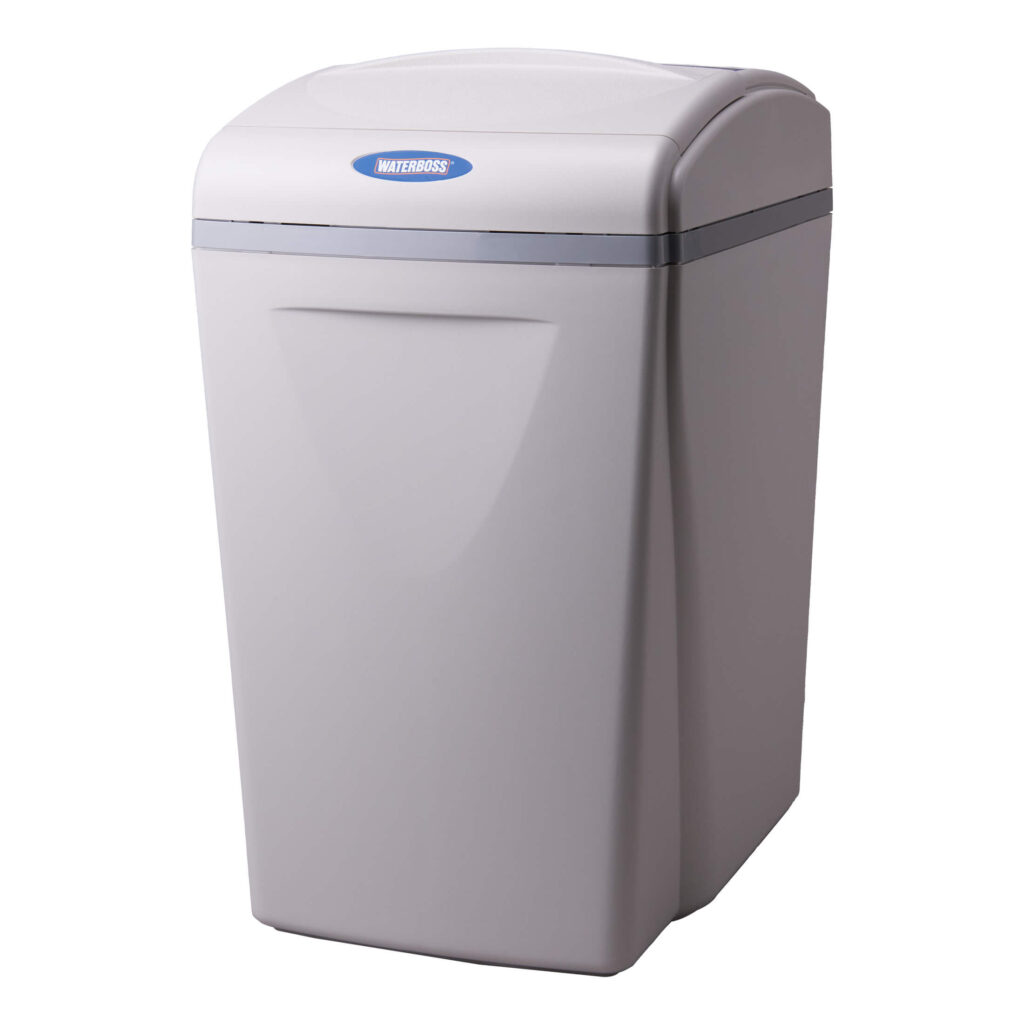
The WaterBoss 700-Model Water Softener is a compact whole-house water treatment system designed to reduce hardness, remove low levels of iron, and improve overall water quality for everyday use. Built for homes with moderate to high hardness issues, the WaterBoss 700-Model Water Softener is especially appealing to homeowners who want strong performance in a space-saving footprint. It conditions water up to 70 grains per gallon and can reduce up to 10 ppm of ferrous iron, making it a practical option for homes that struggle with scale buildup, spotty dishes, dry skin, or laundry that feels stiff after washing.
One of its biggest advantages is efficiency. The unit is known for using relatively low amounts of water and salt during regeneration, which helps reduce operating costs over time. Its compact cabinet design also makes it easier to fit into utility rooms, basements, garages, and small mechanical spaces where larger softeners may not be practical. The WaterBoss 700-Model Water Softener is a good fit for households of roughly four or more people, especially where incoming water has both hardness and light iron content.
In today’s market, the estimated price range is typically in the mid-range category for whole-house softeners, often around $700 to $1,200 depending on retailer, installation needs, and included accessories. Availability is generally strong through plumbing suppliers, online home improvement stores, and specialty water treatment dealers. For buyers comparing compact softeners, the WaterBoss 700-Model Water Softener stands out for balancing size, efficiency, and performance in a way that makes it attractive for practical residential water treatment.
Detailed Specifications for WaterBoss 700-Model Water Softener
- Maximum hardness capacity: up to 70 grains per gallon, suitable for moderately hard to very hard water.
- Iron reduction: up to 10 ppm of ferrous iron, helping reduce staining and metallic taste in water.
- Household size rating: designed for homes with 4+ occupants.
- Regeneration cycle: approximately 19 to 20 minutes in standard operation, supporting fast recovery.
- Water use per regeneration: about 15 to 19 gallons, depending on settings and operating conditions.
- Salt use per regeneration: approximately 1 to 2.5 lbs in efficient operating modes.
- Operating pressure range: 20 to 120 psi, which fits most residential plumbing systems.
- Water temperature range: up to 120°F for standard residential use.
- Footprint: approximately 14.75" x 18.75", making it compact for tight installation areas.
- Height: about 25.5" to 25.75", depending on configuration and source variation.
- Plumbing connection: 3/4" to 1" NPT compatibility.
- Electrical requirements: standard 110/120 VAC with 12V control power.
Compared with larger premium softeners, the WaterBoss 700-Model Water Softener offers a smaller footprint and faster regeneration, though it has less total capacity than high-volume systems like some 900- or 950-class models. For many homes, that tradeoff makes it a better fit than oversized units that consume more space, salt, and water than necessary.
Troubleshooting WaterBoss 700-Model Water Softener Problems
Like any water softener, the WaterBoss 700-Model Water Softener may develop performance issues if the resin bed, valve, or settings are not maintained properly. Common problems include hard water returning, low water pressure, unusual sounds during regeneration, or brine tank salt bridging. If water remains hard, check that the unit has power, the bypass valve is closed, and the hardness setting matches your local water conditions. If pressure is reduced, inspect the sediment screen, inlet lines, and any buildup inside the valve body.
Some display-related models may show system alerts such as regeneration timing issues, motor movement faults, or power interruption indicators. If the control head becomes unresponsive, disconnect power briefly, then restore it to reset the unit. Salt bridging can usually be corrected by breaking up the crust inside the brine tank and verifying that the salt level is not packed too tightly. To prevent repeat problems, keep the tank clean, use high-quality salt, and avoid overfilling the brine cabinet.
The standard owner documentation covers setup, maintenance, and service steps for the WaterBoss 700-Model Water Softener. Warranty terms vary by seller and region, so buyers should confirm coverage at purchase and keep their proof of sale. For support, contact the manufacturer’s customer service team through the official WaterBoss support channels, or work with an authorized water treatment dealer or licensed plumber for installation and repairs.
Pros and Cons of the WaterBoss 700-Model Water Softener
Pros
- Compact design fits where many full-size softeners do not.
- Efficient salt and water use helps lower operating costs.
- Handles both hardness and light iron removal, which is useful for many homes.
- Fast regeneration cycle reduces downtime and improves convenience.
- Good value for homeowners who need whole-house treatment without a bulky cabinet.
Cons
- Lower capacity than larger premium systems, so it may be less ideal for very large households.
- Some users may prefer simpler controls or more modern digital interfaces found in newer alternatives.
- Performance depends heavily on correct sizing, installation, and water testing.
- May require more frequent regeneration in homes with very high water hardness or high usage.
In terms of value for money, the WaterBoss 700-Model Water Softener is strongest for medium-sized households that want reliable softening without paying for oversized capacity. Compared with larger alternatives, it offers better space efficiency and often lower maintenance demands, while still delivering solid everyday water quality improvement.
Customer Reviews of the WaterBoss 700-Model Water Softener
Typical customer feedback for the WaterBoss 700-Model Water Softener is generally positive, with many users giving it around 4 out of 5 stars for compact design, noticeable water-softening performance, and lower salt usage. A common praise point is that the system fits easily into smaller mechanical spaces while still improving soap performance, reducing scale, and helping protect fixtures and appliances.
Common complaints usually center on installation complexity, the importance of correct settings, and occasional maintenance issues such as salt bridging or reduced flow if the unit is not cleaned regularly. One reviewer-style takeaway often repeated by homeowners is: “Small enough for my utility closet, but strong enough to handle the whole house.” Another common sentiment is: “It uses less salt than my old softener and the water feels much better.”
For buyers who want a compact whole-house softener with strong everyday performance, this model is often recommended. It is especially appealing when the home has moderate hardness, limited installation space, and a need for reliable iron reduction.
Faqs
How do I set up the water boss 700-Model Water Softener for the first time?
What water hardness setting should I use on the water boss 700-Model Water Softener?
Why is my water boss 700-Model Water Softener not using salt during regeneration?
How can I improve soft water performance from the water boss 700-Model Water Softener?
Is the water boss 700-Model Water Softener compatible with well water?
What maintenance does the water boss 700-Model Water Softener need each month?
Why does the water boss 700-Model Water Softener keep regenerating too often?
What should I check if the water boss 700-Model Water Softener has low water pressure?
More water boss manuals
Leave a Comment