
How to Use: Water Powered Technology Papa Pamp User Manual
Content
Water Powered Technology Papa Pamp: Complete Product Manual and Buyer Guide
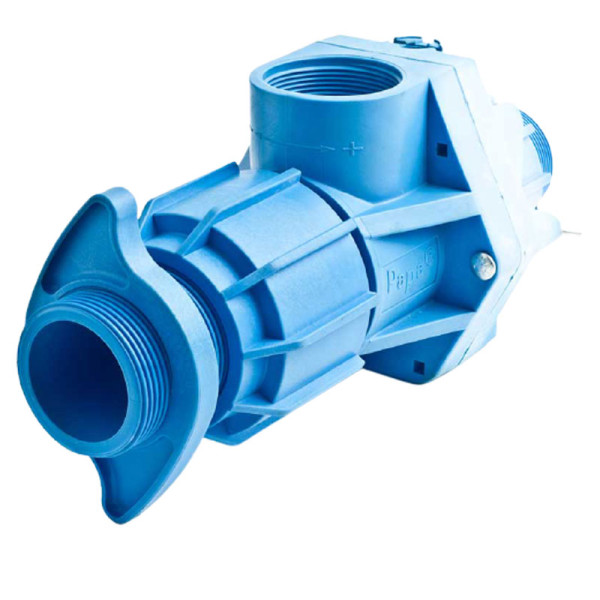
The water powered technology Papa Pamp is a modern hydraulic ram pump designed to move water using the energy of a flowing source such as a spring, stream, or river. It is built for off-grid water transfer, making it especially useful for farms, villages, remote homes, irrigation systems, and sustainability projects where electricity, diesel, or solar power may be impractical or too expensive. Its main appeal is simple: it can operate continuously with very little maintenance while returning unused water back to the watercourse.
Unlike conventional pumps that depend on fuel or electrical input, the Papa Pump uses pressure created by flowing water to deliver water over long distances and to significant heights. The design is lighter and more durable than traditional cast-iron ram pumps because it uses composite materials and modern valve engineering. That makes it a practical option for users who need dependable water movement with lower operating costs and minimal environmental impact. In many installations, the system is used to pump water into a storage tank, then supply it on demand for household use, livestock, horticulture, or field irrigation.
Estimated pricing is typically in the mid-range for specialized off-grid pumping equipment, with public listings and market references placing it around the equivalent of about $1,900 or £1,500 for some configurations. Availability is strongest through the manufacturer and approved distributors, with the product offered in North America, the UK, and international markets. For buyers searching for a reliable water powered technology Papa Pamp solution, this system stands out for its simplicity, longevity, and low running cost.
Specifications for Water Powered Technology Papa Pamp
- Product type: Hydraulic ram pump / hydro ram water transfer system
- Power source: Natural flowing water only; no electricity or fuel required
- Operating mode: Continuous 24/7 pumping where water flow is available
- Maximum delivery head: Up to 150 m in suitable installations
- Typical flow performance: Around 60 L/min at a supply head in the 1–31 m range, depending on model and site conditions
- Materials: Composite body with plastic and glass reinforcement; EPDM valve components on many models
- Corrosion resistance: High, due to non-metal composite construction
- Maintenance interval: Low maintenance; valve service may be required every few years depending on water quality and duty cycle
- Primary uses: Agriculture, horticulture, irrigation, domestic water transfer, and remote community water supply
- Comparison with similar products: Lighter and more durable than traditional cast-iron ram pumps; more energy independent than electric booster pumps; more practical than solar pumps in shaded or variable-weather locations
For users comparing water powered technology Papa Pamp systems with standard water pumps, the biggest difference is operating cost. There is no fuel bill, no grid dependency, and no battery bank to maintain, which makes lifetime ownership costs attractive for off-grid projects.
Setup Guide: How to Install the Papa Pump Water Powered System
Start by identifying a reliable water source with enough flow and a usable supply head. The pump needs moving water and a height difference between the source and the installation point. Position the pump close to the source, then plan the delivery line to the storage tank or endpoint. Use pipe sizes recommended for your site to reduce friction losses and improve performance.
- Mount the pump on a stable base near the flowing water source.
- Connect the supply line and ensure all joints are sealed tightly.
- Attach the delivery line to the storage tank or destination point.
- Prime the system if required by the installation configuration.
- Open the flow gradually and check for the rhythmic pumping action.
- Adjust valve settings or pipe routing if pressure is unstable.
Configuration options may include different pipe diameters, delivery heights, and storage tank layouts. Pairing is not required in the wireless sense, but system matching is important: the source flow, supply head, and delivery distance must suit the chosen model. Safety warnings are essential. Never block the return flow, never run the system dry for long periods, and always secure pipes to prevent movement during pressure surges. If the pump fails to cycle, check for air leaks, insufficient supply head, clogged valves, or incorrect pipe sizing.
Troubleshooting the Water Powered Technology Papa Pamp
Most problems with the Papa Pump come from site setup rather than mechanical failure. A weak or inconsistent water source, poor pipe routing, or air entering the system can reduce output. Regular inspection of valves and fittings helps prevent downtime.
- Problem: Pump does not cycle. Check source flow, confirm adequate head, and inspect for air leaks.
- Problem: Low delivery pressure. Shorten the delivery run, reduce friction losses, or verify that the delivery height is within the pump’s capability.
- Problem: Intermittent output. Clean the valve assembly and confirm that inlet water is not carrying debris.
- Problem: No water at tank. Look for blocked piping, misaligned valves, or a closed outlet valve.
- Problem: Excess vibration or noise. Tighten mounts and check for unstable foundation support.
There are no common electronic error codes because the system is mechanical, but performance symptoms usually point to installation issues. Preventive measures include filtering debris at the intake, checking seals seasonally, and verifying that the source water remains adequate throughout dry periods. Warranty terms and support options may vary by seller and region, so buyers should contact the manufacturer or authorized distributor for parts, service, and replacement valve kits. For assistance, use the company’s published support email or phone number listed on the official product documentation.
Pros and Cons of the Papa Pump Water Powered Solution
Pros
- No fuel or electricity required: Ideal for off-grid farms and remote installations.
- Low running costs: No power bills, batteries, or engine servicing.
- Continuous operation: Can run day and night where water flow is constant.
- Durable construction: Composite materials improve resistance to corrosion and weathering.
- Simple design: Fewer moving parts than many conventional pumps.
- Good long-term value: Strong option for users focused on lifespan and operating savings.
Cons
- Needs a suitable water source: It will not work without flow and head.
- Site-specific setup: Performance depends heavily on installation conditions.
- Not ideal for every location: Flat terrain or seasonal dry streams may limit use.
- Higher upfront cost than basic pumps: The purchase price can be a barrier for small projects.
Compared with solar pumps, the Papa Pump is less dependent on sunlight and battery storage. Compared with diesel pumps, it avoids fuel logistics and emissions. For many off-grid users, that balance makes the water powered technology Papa Pamp system a strong value-for-money choice.
Customer Reviews and User Feedback
User feedback is generally positive, with many owners praising the pump’s simplicity and low maintenance. Typical ratings cluster around 4 to 5 stars for applications where the installation is well matched to the available water source. One common comment is that it “keeps working without attention,” especially in farm and village water transfer projects.
Frequent praise includes quiet operation, low operating cost, and the ability to move water continuously without electricity. Common complaints usually involve setup sensitivity, such as needing the correct supply head or pipe configuration. A frequent recommendation from users is to work closely with a distributor or site planner before purchase to avoid underperformance. For buyers seeking a dependable off-grid water transfer system, the water powered technology Papa Pamp is often recommended when the site has a steady stream or spring and the goal is long-term reliability.
Faqs
How do I set up water powered technology Papa Pamp for the first time?
What should I do if water powered technology Papa Pamp is not producing enough power or flow?
Which water source is best for water powered technology Papa Pamp to work efficiently?
Is water powered technology Papa Pamp compatible with standard home plumbing setups?
Why does water powered technology Papa Pamp keep losing pressure during use?
What are the key features of water powered technology Papa Pamp that users should know about?
How often should I clean and maintain water powered technology Papa Pamp?
What is the best way to troubleshoot common problems with water powered technology Papa Pamp at home?
Tags
Leave a Comment