
Waterpik WP-60 Water Flosser User Manual
Content
Waterpik WP-60 Water Flosser Review and User Manual Guide
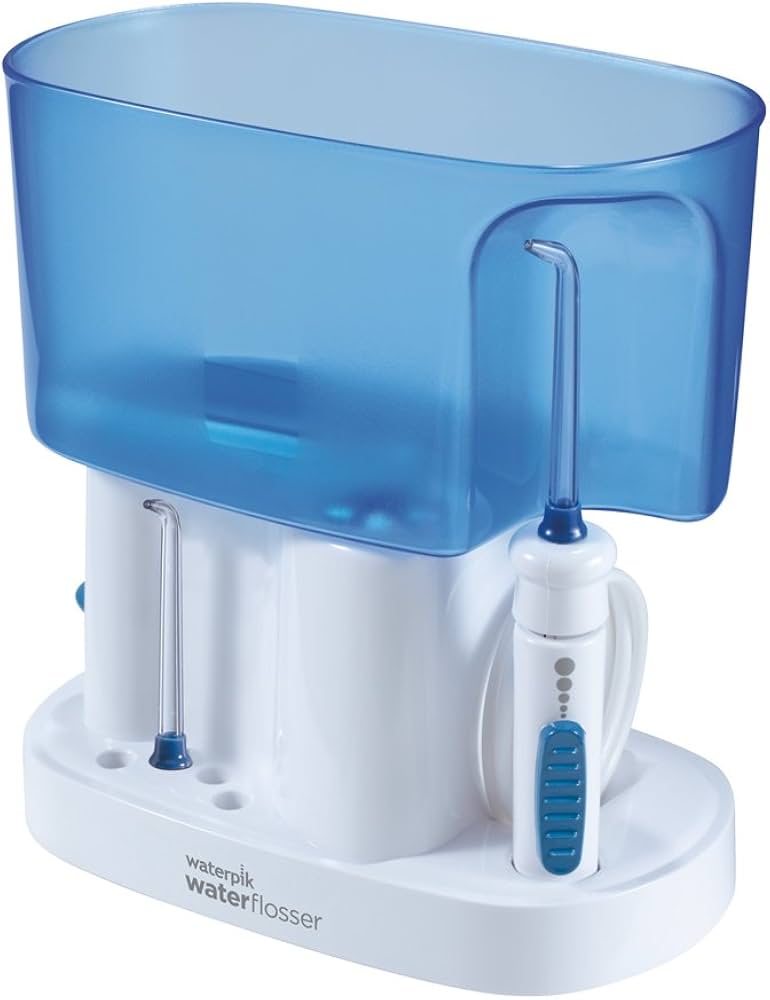
Introduction: What the Waterpik WP-60 Water Flosser Offers
The Waterpik WP-60 Water Flosser is a classic countertop oral irrigator designed to make daily interdental cleaning easier, faster, and more effective than string floss alone for many users. It uses a steady pressurized water stream to help remove debris and rinse along the gumline, making it a strong option for people with braces, bridges, implants, crowns, or sensitive gums. Its straightforward controls and multiple tip options also make it appealing for families and first-time water flosser users who want a simple, reliable routine.
This model stands out for its practical design: a full-size reservoir, easy tip insertion, adjustable pressure control, and specialty tips for targeted cleaning. The Waterpik WP-60 Water Flosser is especially useful for users who want a plug-in device with consistent power and no charging downtime. It is commonly used at home after brushing, during orthodontic care, and as part of a gum-health routine for users who prefer a gentler alternative to traditional floss.
Price typically falls in the mid-range for countertop water flossers, with the unit often available below premium flagship models and replacement accessories sold separately. Depending on the retailer and bundled tips, the Waterpik WP-60 Water Flosser generally fits shoppers looking for dependable performance and good value rather than advanced smart features.
Specifications: Waterpik WP-60 Features, Performance, and Key Details
- Type: Countertop water flosser with corded power for consistent output.
- Power: Designed for a 120VAC, 60Hz electrical system.
- Pressure control: Adjustable dial for multiple pressure settings, including a lowest setting for specialty tips.
- Reservoir: Large removable water reservoir for a full cleaning session.
- Tips: Compatible with standard Waterpik tips plus specialty options such as the Pik Pocket tip and tongue cleaner tip.
- Use time: The manual advises not using the product for more than 5 minutes in any two-hour period.
- Cleaning support: Can be used with water and some mouthwash or antibacterial solutions, followed by a rinse cycle to reduce clogging.
- Maintenance: Vinegar flushes are recommended for scale buildup when needed.
- Support parts: Replacement hoses, handles, valves, and reservoirs are available for classic Waterpik models.
- Comparison: Compared with cordless water flossers, the WP-60 offers stronger continuous power and a larger reservoir, but it is less portable and requires a nearby outlet.
In practical use, the WP-60 is best suited to users who prioritize pressure consistency, easy refilling, and a desktop bathroom setup over travel convenience or compact storage.
Setup Guide: How to Use the Waterpik WP-60 Water Flosser
Start by placing the unit on a stable, level surface near a sink and plugging it into a compatible outlet. Fill the reservoir with lukewarm water, then seat it firmly on the base. Insert the selected tip into the handle until it locks into place, making sure the colored ring sits flush with the end of the knob. For first-time use, prime the unit by setting the pressure dial to high, pointing the handle into the sink, and running the device until water flows steadily from the tip.
To floss, lean over the sink, place the tip in your mouth before switching the unit on, and direct the stream at a 90-degree angle to the gumline. Begin with a lower setting if you have sensitive gums, braces, or are using the Pik Pocket tip, which must be used at the lowest pressure level. The pause control on compatible handles can temporarily stop water flow during use.
For safety, do not run the unit dry, do not use it longer than recommended, and always unplug it before emptying or cleaning the reservoir. If water flow seems weak, check the tip, reservoir seating, and pressure dial before assuming the unit is defective.
Troubleshooting: Common Waterpik WP-60 Problems and Fixes
- Weak or no water flow: Confirm the reservoir is filled, seated correctly, and the pressure dial is turned up. Prime the unit again if it is being used for the first time.
- Leak from the hose or handle: Inspect the hose for damage. Replacement hoses and handles are available for classic Waterpik models.
- Leak from the reservoir: Check that the reservoir valve is installed correctly and right side up. Replace the valve if it is missing or worn.
- Tip not fitting properly: Remove the tip and reinsert it until it locks securely with the ring flush at the handle end.
- Clogging after mouthwash use: Flush the system with warm water after using any special solution to prevent buildup.
- Mineral buildup: Run a cleaning cycle with warm water and white vinegar, then rinse with clean warm water.
If problems continue, replacement parts and customer support are available through Waterpik support channels. The product is covered by standard manufacturer support, and users can request help for reservoirs, valves, handles, and self-service repair options. For the fastest assistance, have the model number, purchase date, and a clear description of the issue ready when contacting support.
Pros and Cons of the Waterpik WP-60 Water Flosser
Pros
- Strong countertop performance with consistent water pressure.
- Large reservoir reduces frequent refills during a session.
- Good for braces, implants, crowns, and gumline cleaning.
- Simple controls make it easy for beginners to learn.
- Specialty tips expand usability for periodontal pockets and tongue cleaning.
- Good value for users who want dependable daily oral care without smart features.
Cons
- Requires a power outlet and is not portable like a cordless flosser.
- Bulkier than compact travel-friendly alternatives.
- Needs regular cleaning to reduce mineral buildup and clogging.
- No advanced digital modes or app-based tracking.
- Some users may prefer quieter or more compact modern models.
Compared with cordless alternatives, the Waterpik WP-60 Water Flosser offers better endurance and convenience for home use, but it is less suited to small bathrooms or frequent travel.
Customer Reviews: What Users Say About the Waterpik WP-60 Water Flosser
Customer feedback for this classic Waterpik model is generally positive, with many users praising the strong cleaning action and easy setup. A common rating pattern is around 4 to 5 stars for performance, especially from people with braces, sensitive gums, or dental work. One typical review says, “It cleaned between my teeth better than I expected and was easy to use from day one.”
Frequent complaints include occasional hose wear, reservoir leaks when parts are not seated correctly, and the need for regular cleaning to maintain smooth water flow. Another common comment is, “It works great, but I wish it were smaller.” Overall, users who want a reliable countertop water flosser for daily use tend to recommend it, while buyers who need portability usually choose a cordless model instead.
Frequently Asked Questions About the Waterpik WP-60 Water Flosser
How long should the Waterpik WP-60 Water Flosser be used? Most users complete a full cleaning session in a few minutes, and the device should not be used for more than 5 minutes in any two-hour period.
Can mouthwash be used in the reservoir? Yes, but the unit should be rinsed with clean water afterward to help prevent clogging.
Is the WP-60 good for braces? Yes, it is a strong choice for braces, implants, crowns, and other dental work that benefits from targeted rinsing.
Does it require a special outlet? It is designed for 120VAC, 60Hz power.
Faqs
How do I set up the waterpik WP-60 Water Flosser for first-time use?
Why is my waterpik WP-60 Water Flosser not spraying water properly?
How do I use the different tips on the waterpik WP-60 Water Flosser correctly?
Is the waterpik WP-60 Water Flosser compatible with any power outlet?
What is the best pressure setting for the waterpik WP-60 Water Flosser?
How do I stop splashing when using the waterpik WP-60 Water Flosser?
Can I use mouthwash in the waterpik WP-60 Water Flosser reservoir?
How do I clean and maintain the waterpik WP-60 Water Flosser to keep it working well?
More waterpik manuals
Leave a Comment