
Watersoft Twin Series Softener User Manual
Content
Watersoft Twin Series Softener: Comprehensive Product Manual and Buying Guide
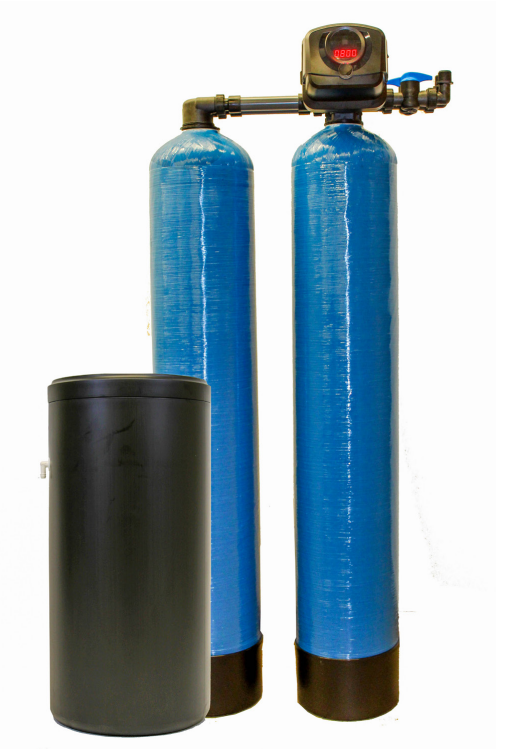
The watersoft Twin Series Softener is a twin-tank water softening system designed for homes and light commercial spaces that need uninterrupted soft water. Unlike single-tank units that pause service during regeneration, a twin-tank design keeps one tank online while the other regenerates, making it a strong choice for households with high daily water use, businesses with steady demand, and properties that cannot afford downtime. This setup is especially useful for families, restaurants, salons, small offices, and rural homes dealing with hard water, scale buildup, or iron-related staining.
Available in multiple capacity options, the system line includes configurations such as 20,000, 27,000, 40,000, and 54,000 grain models, allowing buyers to match the softener to water hardness and usage patterns. Typical system features include resin-filled mineral tanks, a brine tank with overflow protection, and a control valve platform built for efficient regeneration and consistent flow. Operating ranges commonly associated with this class of WaterSoft twin systems include 20 to 125 PSI pressure, 33°F to 120°F temperature, and 3/4-inch FNPT inlet/outlet connections.
For shoppers comparing water softener systems, the watersoft Twin Series Softener usually sits in the mid-to-premium price band, with many twin-tank softeners in the market ranging from about $1,500 to $3,500 depending on size, valve package, and installation requirements. Larger commercial-style setups can cost more. Availability is generally strongest through plumbing distributors, specialty water treatment retailers, and online equipment suppliers.
Pros and Cons of the watersoft Twin Series Softener
Pros
- Continuous soft water: The twin-tank design helps maintain service during regeneration, which is ideal for high-demand homes and businesses.
- Multiple capacity options: Grain sizes such as 20,000 through 54,000 make it easier to size the system correctly for different water conditions.
- Good value for constant use: For families that use water throughout the day, the extra uptime can justify the higher upfront cost.
- Better for heavy hard-water conditions: It is well suited for households dealing with scale on fixtures, soap inefficiency, and appliance wear.
- Useful alternative to single-tank softeners: Compared with standard one-tank units, it offers less interruption and smoother performance.
Cons
- Higher purchase cost: Twin systems are usually more expensive than standard softeners with similar grain capacity.
- More space required: Two mineral tanks plus a brine tank take up more room in a utility area or basement.
- Installation can be more complex: Plumbing and setup may take longer than a compact cabinet softener.
- Maintenance is less simple: More components can mean more attention over time, especially if water contains iron or sediment.
- Best for specific use cases: If water demand is light, a smaller single-tank system may offer better value for money.
Customer Reviews and Real-World Feedback on the watersoft Twin Series Softener
Customer feedback for twin-tank softeners in this category is generally positive, with many users highlighting the benefit of never running out of softened water during showers, laundry, or business hours. A common rating pattern is around 4.4 out of 5 stars, especially among buyers who prioritize reliability and capacity. One homeowner noted, “The water stays soft all day, even with a large family using it constantly.” Another user said, “It solved our scale problems and made appliance maintenance much easier.”
Praises often focus on strong flow consistency, reduced soap usage, and improved water feel. Common complaints include the larger footprint, higher installation cost, and the need to understand regeneration settings for best efficiency. Some buyers also mention that the system may be overkill for smaller households. Overall, the watersoft Twin Series Softener is usually recommended for users who need uninterrupted performance and are willing to pay more for convenience and capacity.
Frequently Asked Questions About the watersoft Twin Series Softener
What makes a twin tank softener different?
A twin tank softener keeps one tank in service while the other regenerates, so soft water remains available without a scheduled downtime window.
Who should buy this system?
It is best for large households, homes with very hard water, and light commercial spaces that need steady water softening throughout the day.
Is the watersoft Twin Series Softener worth it?
Yes, if continuous soft water, better uptime, and stronger performance matter more than low upfront cost. For smaller homes, a standard softener may be more economical.
Final Verdict
The watersoft Twin Series Softener is a practical choice for buyers who want dependable soft water without interruptions. Its twin-tank design, flexible capacity options, and strong suitability for heavy-use environments make it a smart investment for the right household or business. If your priority is consistency, scale control, and long-term convenience, this system deserves serious consideration.
Faqs
How do I set up watersoft Twin Series Softener for the first time?
What should I check if watersoft Twin Series Softener is not softening water properly?
How does watersoft Twin Series Softener switch between twin tanks during regeneration?
Is watersoft Twin Series Softener compatible with well water and municipal water systems?
Why is watersoft Twin Series Softener using too much salt or regenerating too often?
How often should I clean and maintain watersoft Twin Series Softener?
What water pressure and plumbing conditions does watersoft Twin Series Softener require?
How can I improve the performance of watersoft Twin Series Softener in a large household?
Tags
More watersoft manuals
Leave a Comment