
Weston 65-0501-W Vacuum Sealer User Manual
Content
Weston 65-0501-W Vacuum Sealer: Product Manual and Buying Guide
Introduction
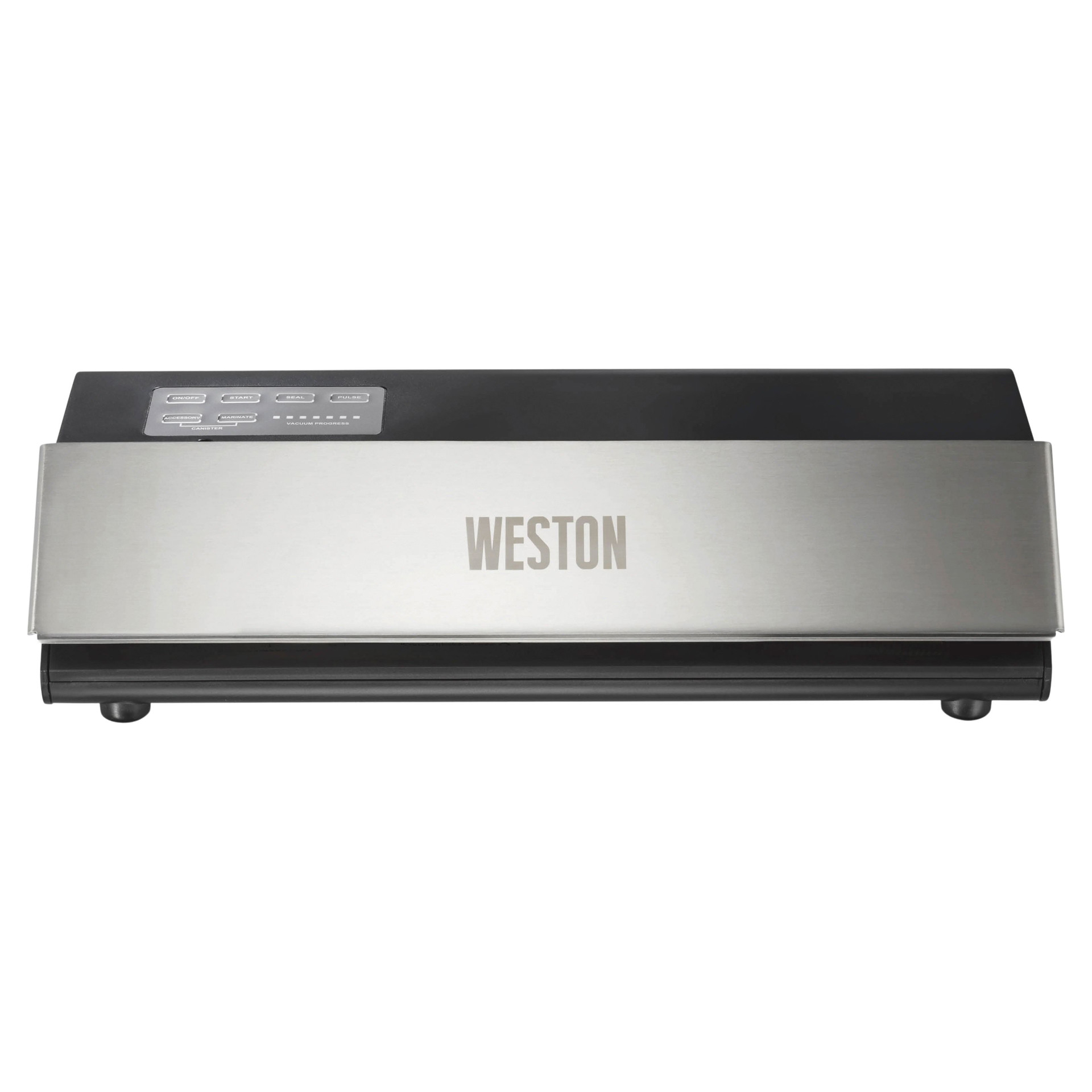
The Weston 65-0501-W Vacuum Sealer is a countertop food sealing machine designed for home cooks, hunters, meal preppers, and small-batch food preservers who want longer-lasting freshness and better food storage control. Built with a stainless steel and black finish, this external vacuum sealer combines a compact footprint with a powerful 210-watt motor and a 23-inch HG vacuum strength rating, making it suitable for sealing meats, vegetables, dry goods, and portioned meals with dependable consistency.
One of the biggest advantages of the weston 65-0501-W Vacuum Sealer is its flexible operation. It offers automatic one-touch vacuum-to-seal mode, manual seal control for delicate foods, marinate mode, and accessory port compatibility for vacuum canisters. The angled vacuum chamber opening also helps reduce the risk of liquids entering the machine, which is a practical benefit for users sealing juicy or moist foods. The 11-inch seal bar supports a wide range of bag sizes, and the included starter bag kit makes setup easier right out of the box.
Typical pricing for the Weston 65-0501-W Vacuum Sealer generally falls in the mid-range countertop vacuum sealer category, often around the low-to-mid $200 range depending on seller and availability. It is commonly available through major online retailers and restaurant-supply stores, though stock and pricing can vary. This model is a strong fit for users who want a reliable vacuum bag sealer with commercial-style features without moving up to a larger chamber machine.
Specifications and Key Features
- Model: Weston 65-0501-W Professional Advantage Vacuum Sealer
- Type: External countertop vacuum sealer
- Seal bar length: 11 inches
- Power: 210 watts
- Voltage: 120V, 60Hz
- Vacuum strength: 23-inch HG
- Operation modes: Automatic vacuum-to-seal, manual seal, marinate, accessory/canister mode
- Construction: Stainless steel and black housing
- Included accessory: Starter pack of vacuum bags
- Bag compatibility: Seals bags up to 11 inches wide
- Special design: Angled chamber opening to help prevent spills
- Cooling: Fan-cooled motor for extended use
In terms of performance, the weston 65-0501-W Vacuum Sealer stands out for its stronger-than-basic suction and practical feature set. Compared with budget sealers that usually offer simpler controls and lower vacuum power, this unit provides more precise control and better handling for different food types. Against larger commercial vacuum sealers, it is more compact and easier to store, while still delivering serious sealing performance for everyday and semi-regular use.
Troubleshooting Guide for Weston 65-0501-W Vacuum Sealer
If the machine does not vacuum properly, check that the bag opening is clean, flat, and fully positioned in the sealing area. Make sure the lid is closed securely and the bag is textured and compatible with external vacuum sealing. If moisture is interfering with suction, try pre-freezing wet foods or using manual mode for more control.
If the unit seals but does not remove enough air, inspect the bag for wrinkles, pinholes, or poor placement. If the sealing strip appears weak, allow the machine to cool before repeating a cycle. For overheating concerns, the fan-cooled motor should help reduce risk, but repeated back-to-back sealing can still require short pauses.
Common issues are usually caused by bag misalignment, excess liquid, or worn sealing surfaces rather than a true error code. This model does not typically rely on digital error codes, so most fixes are mechanical and usage-related. Preventive care includes cleaning the seal area after each use, using compatible vacuum bags, and avoiding overfilling. Warranty coverage is commonly listed as a 2-year protection against defects in materials and workmanship, and support is generally handled through Weston Brands customer service or the retailer where the unit was purchased. For help, users should contact the seller or Weston customer support using the manufacturer information provided with the product documentation.
Pros and Cons of the Weston 65-0501-W Vacuum Sealer
- Pros: Strong 23-inch HG vacuum performance for reliable food preservation
- Pros: 11-inch seal bar handles common bag sizes with ease
- Pros: Manual and automatic modes offer better control for delicate foods
- Pros: Marinate mode and canister compatibility add versatility
- Pros: Fan-cooled motor supports consistent operation during longer sealing sessions
- Pros: Good value for users who want a durable vacuum packaging machine without buying a chamber sealer
- Cons: External vacuum sealers are less ideal for high-liquid foods than chamber machines
- Cons: Takes up more counter space than compact entry-level sealers
- Cons: Starter bags are useful, but ongoing bag costs can add up
- Cons: Not the cheapest option for casual users who only seal occasionally
Overall, the weston 65-0501-W Vacuum Sealer offers a strong balance of power, usability, and durability. It compares favorably with basic home models by delivering better suction and more control, while remaining more affordable and practical than many commercial-grade alternatives.
Customer Reviews and User Feedback
Customer feedback for the weston 65-0501-W Vacuum Sealer is generally positive, with many users praising its strong suction, easy one-touch sealing, and sturdy build quality. A common rating pattern is around 4 to 4.5 stars out of 5, especially among users who regularly portion meat, freeze garden produce, or prep bulk meals.
Typical praise includes comments such as, “It seals quickly and keeps food fresh much longer,” and “The manual mode is great for delicate items.” Common complaints usually focus on size, bag expense, or the learning curve when sealing foods with moisture. Buyers who want a dependable vacuum food sealer for regular use tend to recommend it, while very light users may prefer a smaller, less expensive model.
Final Verdict
The Weston 65-0501-W Vacuum Sealer is a strong choice for users who want a dependable food vacuum sealing machine with useful features and solid performance. Its combination of 11-inch sealing width, 23-inch HG suction, and flexible sealing modes makes it well suited for meal prep, freezer storage, and long-term food preservation.
Faqs
How do I set up the Weston 65-0501-W Vacuum Sealer for the first time?
Why is my Weston 65-0501-W Vacuum Sealer not vacuuming all the air out?
Can the Weston 65-0501-W Vacuum Sealer handle liquid-rich foods without making a mess?
What bag sizes are compatible with the Weston 65-0501-W Vacuum Sealer?
How do I use the manual mode on the Weston 65-0501-W Vacuum Sealer for delicate foods?
Why does the Weston 65-0501-W Vacuum Sealer fail to seal properly or leave weak seams?
Can I use the Weston 65-0501-W Vacuum Sealer for marinating meat or sous vide prep?
How should I clean and maintain the Weston 65-0501-W Vacuum Sealer for long-term use?
More weston manuals
Leave a Comment