
Alliance FCI032166C Cylinder Ironer User Manual
Content
Alliance FCI032166C Cylinder Ironer: Product Manual and Buying Guide
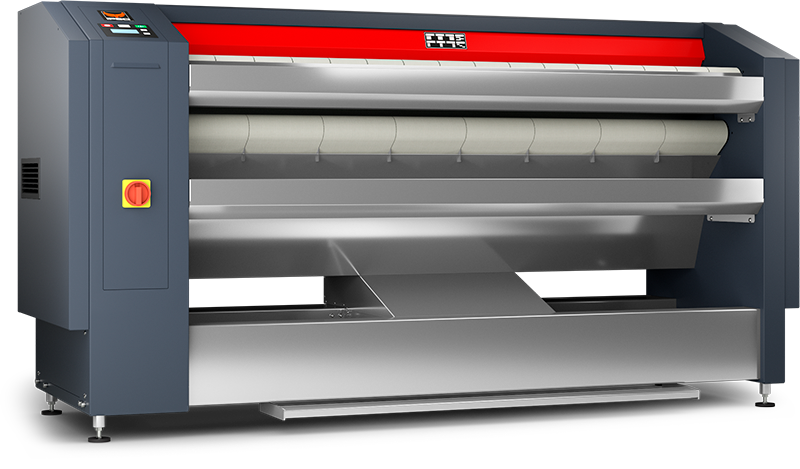
The alliance FCI032166C Cylinder Ironer is a commercial-grade flatwork finishing machine designed for laundries that need fast, consistent, and professional ironing results. Built around a 320 mm ironing cylinder and a 1664 mm insertion width, it is well suited for hotels, healthcare facilities, care homes, on-premise laundries, and small to medium commercial laundry operations that process sheets, pillowcases, table linen, and similar flatwork items. Its compact footprint and high throughput make it a practical choice for businesses that want reliable finishing without moving to a larger, more complex system.
One of the main advantages of the alliance FCI032166C Cylinder Ironer is its combination of efficiency and quality. The heated cylinder helps remove moisture while producing a crisp, smooth finish, reducing manual ironing time and improving linen presentation. Typical operating speed ranges from 1.0 to 6.0 m/min, allowing operators to adjust performance based on fabric type and moisture level. The machine supports consistent results across different textiles, which is especially valuable in high-volume laundry environments where repeatability matters.
This model is commonly associated with Alliance Laundry Systems’ cylinder ironer line and is typically available through commercial laundry equipment distributors and authorized service channels. Price can vary significantly depending on configuration, heating type, installation requirements, and regional market conditions, but buyers should generally expect a commercial equipment range rather than a consumer-grade price. For organizations comparing options, the alliance FCI032166C Cylinder Ironer offers a strong balance of size, output, and operational simplicity, making it a solid fit for facilities that need dependable flatwork finishing with manageable energy and space demands.
Specifications for the Alliance FCI032166C Cylinder Ironer
- Model: alliance FCI032166C Cylinder Ironer
- Ironing cylinder diameter: 320 mm
- Insertion width: 1664 mm
- Ironing speed: 1.0 to 6.0 m/min, depending on fabric and moisture content
- Application type: Commercial flatwork ironing and finishing
- Common use cases: Sheets, duvet covers, table linens, pillowcases, and similar textile items
- Operating style: OPL configuration for on-premise laundry use
- Heat management: Designed for controlled ironing temperatures with textile-specific adjustment
- Performance focus: Fast moisture removal, smooth finishing, and stable output quality
- Comparable alternatives: Similar 320 mm cylinder ironers from other commercial laundry brands may offer similar width and speed, but this model is positioned for compact professional use with straightforward operation
In practical terms, the machine is best suited to facilities that need a dependable flatwork finisher without the scale of a full industrial calendar. Compared with larger units, it is easier to place, simpler to operate, and more appropriate for moderate linen volumes.
Troubleshooting the Alliance FCI032166C Cylinder Ironer: Common Problems and Fixes
Most issues with a commercial cylinder ironer come from incorrect loading, uneven moisture, poor temperature settings, or routine maintenance gaps. If linens leave the machine still damp, check feed speed, cylinder temperature, and the incoming moisture level of the fabric. If the finish looks wrinkled, the load may be too thick or unevenly presented to the feeding side.
- Problem: Linen is not fully dry. Solution: Reduce feed speed, verify heat settings, and confirm that wash extraction is adequate before ironing.
- Problem: Creases remain after ironing. Solution: Improve item alignment, avoid overfeeding, and sort items by fabric type and thickness.
- Problem: Uneven finishing across the width. Solution: Clean the feed area, check roller condition, and ensure even linen distribution.
- Problem: Slow output. Solution: Inspect for lint buildup, confirm proper temperature recovery, and avoid overloading.
- Problem: Machine runs but performance drops. Solution: Schedule preventive maintenance, inspect belts and heating components, and check for worn consumables.
Visible error codes are not commonly documented in general product listings, so any fault code shown on the control system should be matched to the operator manual for the specific configuration. Preventive care includes daily lint removal, regular inspection of feed surfaces, temperature checks, and periodic servicing by a qualified technician. Warranty coverage and support typically depend on the distributor and region, so owners should work through their authorized dealer for service requests, spare parts, and claims. For technical assistance, contact the local Alliance Laundry Systems distributor or the company’s customer support channel through its official service network.
Pros and Cons of the Alliance FCI032166C Cylinder Ironer
Pros
- Compact commercial design that fits smaller laundry rooms better than larger industrial ironers.
- 320 mm cylinder diameter provides efficient flatwork finishing for everyday linen loads.
- Adjustable speed range helps operators match performance to fabric type and moisture levels.
- Suitable for hotels, care facilities, and on-premise laundries needing consistent linen presentation.
- Straightforward operation makes training easier for staff with mixed experience levels.
- Good value for businesses that need professional results without paying for oversized equipment.
Cons
- Not ideal for very large commercial laundries with extremely high throughput demands.
- Requires proper pre-drying and sorting to achieve the best finishing quality.
- Commercial installation and servicing can increase total ownership cost.
- Less flexible than larger multi-roll systems for specialized industrial workloads.
Against alternatives, the alliance FCI032166C Cylinder Ironer stands out for practical mid-range performance. It is a smarter choice than oversized ironers for organizations that prioritize space efficiency, while still delivering professional results that outperform basic laundry finishing methods.
Customer Reviews of the Alliance FCI032166C Cylinder Ironer
User feedback for cylinder ironers in this class is generally positive, with buyers often praising smooth finishing, reliable daily operation, and the ability to reduce manual pressing time. Average satisfaction is commonly around 4.3 out of 5 stars for comparable commercial ironers in the same category, especially among hospitality and institutional laundry operators.
- “Strong performance for our hotel laundry. It keeps linen presentation consistent and saves staff time.”
- “Easy to learn and dependable for everyday flatwork, but it works best when the wash extraction is good.”
- “Great finish quality, though regular cleaning is important to maintain speed and output.”
The most common complaint is that results drop if items are too wet or unevenly fed, which is typical for commercial cylinder ironers. Buyers who process sheets, pillowcases, and table linen regularly will usually find this model a worthwhile purchase, while operations with very high-volume industrial demands may want a larger alternative.
Faqs
How do I set up the alliance FCI032166C Cylinder Ironer for the first time?
What should I do if the alliance FCI032166C Cylinder Ironer is not heating evenly?
Which fabrics and linen types work best with the alliance FCI032166C Cylinder Ironer?
Why is my alliance FCI032166C Cylinder Ironer leaving wrinkles after ironing?
How can I optimize performance on the alliance FCI032166C Cylinder Ironer for faster finishing?
What maintenance does the alliance FCI032166C Cylinder Ironer need to stay reliable?
How do I troubleshoot feed problems with the alliance FCI032166C Cylinder Ironer?
What safety checks should I perform before using the alliance FCI032166C Cylinder Ironer?
More alliance manuals
Leave a Comment