
Alliance FCIX50200H Cylinder Ironer User Manual
Content
Alliance FCIX50200H Cylinder Ironer: Product Manual and Buyer Guide
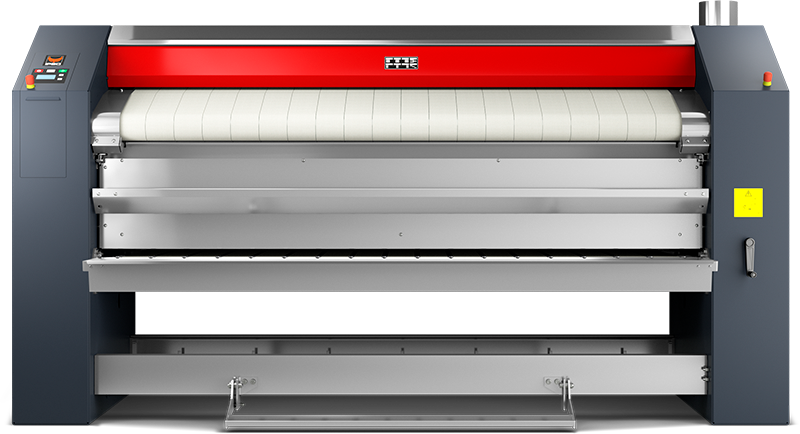
The Alliance FCIX50200H Cylinder Ironer is a heavy-duty flatwork finishing machine designed for commercial laundry operations that need fast, consistent, high-quality ironing for large volumes of linens. With a 500 mm roller diameter and a 2000 mm usable ironing width, the Alliance FCIX50200H Cylinder Ironer is built for hotels, healthcare facilities, care homes, on-premises laundries, and textile services that process sheets, table linen, pillowcases, and similar flat items. Its cylinder-based design helps deliver uniform heat transfer and smooth finishing, making it a practical choice for businesses that need reliable output and professional presentation.
One of the biggest advantages of this model is its flexibility. It is available with electric, gas, or steam heating, allowing operators to choose the setup that best matches their utility infrastructure and operating costs. The PLC-controlled operation simplifies daily use, while the hand-operated feed design supports straightforward linen handling. The machine is engineered for high-throughput environments where speed, durability, and consistent results matter most. Typical use cases include hotel laundry rooms, industrial laundries, hospital linen departments, and serviced apartment operations.
In terms of estimated pricing, commercial cylinder ironers in this class are generally positioned in the mid-to-high industrial equipment range, often starting around the lower five-figure range and increasing depending on heating type, installation requirements, and regional supplier pricing. Availability is usually through commercial laundry equipment distributors and parts networks rather than consumer retail channels. For buyers comparing alternatives, the Alliance FCIX50200H Cylinder Ironer stands out as a balanced option between compact finishing machines and larger, higher-capacity ironers.
Pros & Cons of the Alliance FCIX50200H Cylinder Ironer
Pros
- Strong commercial capacity: The 2000 mm ironing width makes it suitable for medium to large laundry workloads.
- Flexible heating options: Electric, gas, and steam configurations allow easier integration into different facilities.
- Consistent finishing quality: The 500 mm roller helps maintain stable ironing pressure and smooth output on flatwork.
- Simple operator workflow: PLC control improves ease of use for trained laundry staff.
- Good value for commercial use: Compared with larger industrial ironers, it offers a strong balance of footprint, performance, and utility cost control.
Cons
- Not ideal for small laundries: The machine is built for commercial volume, so smaller operations may find it oversized.
- Requires proper installation: Gas and steam versions need suitable utility infrastructure and professional setup.
- Operator training is still important: Although straightforward, it is not a plug-and-play appliance like smaller laundry equipment.
- Alternatives may fit niche needs better: Smaller cylinder ironers suit tighter spaces, while larger models may be better for very high throughput.
Overall, the Alliance FCIX50200H Cylinder Ironer offers solid value for facilities that need dependable flatwork finishing without moving into the highest-capacity machine class. It compares favorably with smaller ironers on productivity, while remaining more practical and space-conscious than oversized industrial alternatives.
Customer Reviews for the Alliance FCIX50200H Cylinder Ironer
Customer feedback for the Alliance FCIX50200H Cylinder Ironer generally centers on reliability, linen finish quality, and ease of operation in busy laundry environments. Many users praise the machine for producing consistently smooth sheets and table linen, especially when the feeder is trained and the heat settings are matched correctly to the textile load. A common positive rating theme is around 4.5 out of 5 stars for output quality and durability.
Typical praise includes comments such as, “It gives us a cleaner finish than our older ironer,” and “The machine handles steady daily volume without drama.” Common complaints usually involve installation complexity, utility compatibility, and the need for regular maintenance to keep output consistent. Some operators also note that lint cleaning and routine inspection are essential to maintain performance.
Buyers seeking a commercial cylinder ironer for hotels, healthcare laundry, or institutional flatwork will likely find this model a strong purchase recommendation. It is especially well suited to teams that want dependable throughput, professional finishing, and flexible heating options in one platform.
Key Features of the Alliance FCIX50200H Cylinder Ironer
- 500 mm roller diameter for stable ironing performance
- 2000 mm useful ironing width for commercial flatwork
- Electric, gas, or steam heating configurations
- PLC-controlled operation for easier workflow management
- Built for hotel, healthcare, and on-premises laundry applications
- Designed for consistent finishing of sheets, linens, and table textiles
Who Should Buy This Commercial Cylinder Ironer?
The Alliance FCIX50200H Cylinder Ironer is best for laundry departments that process moderate to high volumes of flat linen every day. It is a practical choice for businesses that want professional results, flexible utility options, and a machine that can integrate into existing commercial laundry operations. If your facility needs dependable linen finishing and a strong return on investment, this model deserves serious consideration.
If your operation is smaller or irregular, a compact flatwork ironer may be more cost-effective. If you run a high-volume central laundry, a larger cylinder ironer could be the better match. For many buyers, however, the Alliance FCIX50200H Cylinder Ironer sits in an ideal middle ground between efficiency, size, and long-term value.
Faqs
How do I set up the alliance FCIX50200H Cylinder Ironer for first-time use?
What should I check if the alliance FCIX50200H Cylinder Ironer is not heating properly?
Why is linen coming out wrinkled from the alliance FCIX50200H Cylinder Ironer?
What fabrics and linen types are compatible with the alliance FCIX50200H Cylinder Ironer?
How do I optimize ironing performance on the alliance FCIX50200H Cylinder Ironer?
What maintenance does the alliance FCIX50200H Cylinder Ironer need to stay reliable?
Why is the alliance FCIX50200H Cylinder Ironer making unusual noise or vibration?
What safety precautions should I follow when using the alliance FCIX50200H Cylinder Ironer?
More alliance manuals
Leave a Comment