
American Water Heaters Solar Water Heating System User Manual
Content
American Water Heaters Solar Water Heating System Overview
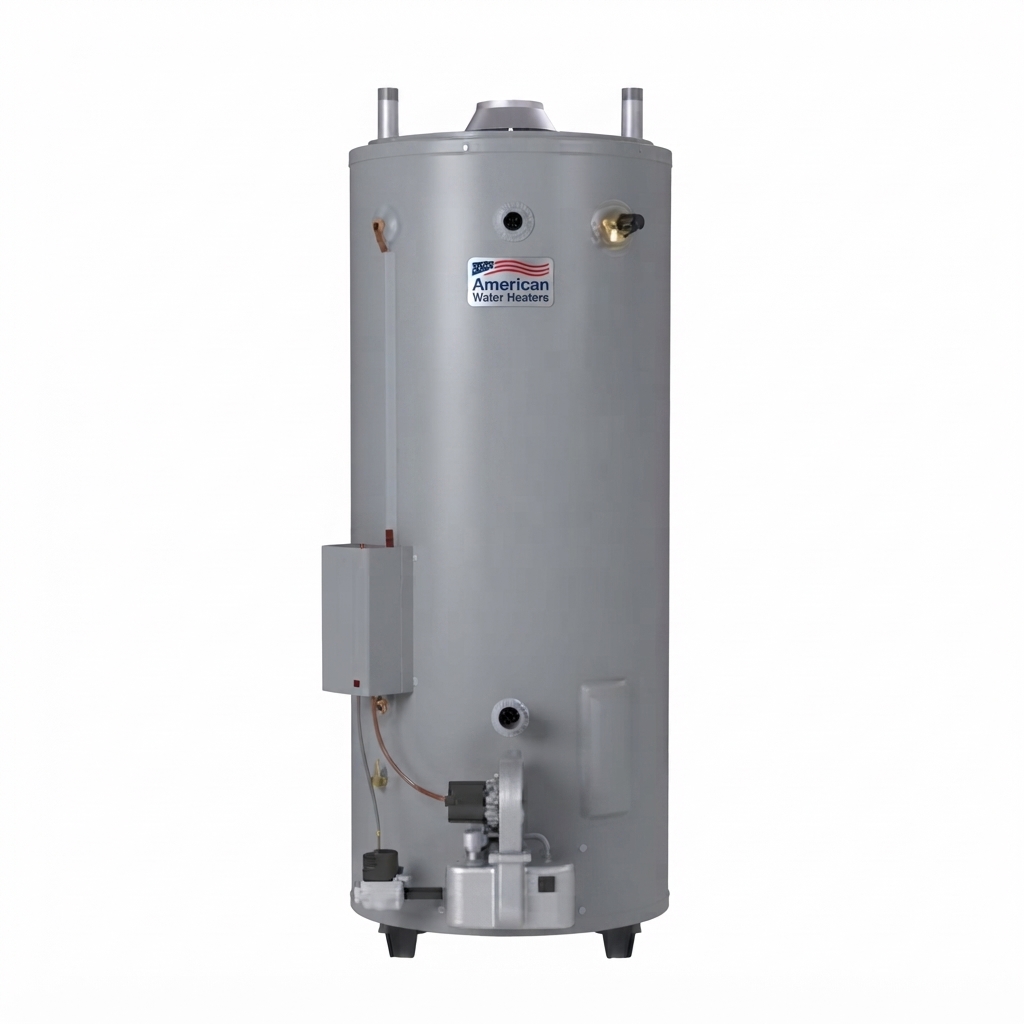
The American Water Heaters Residential Solar Water Heating System is designed to store and support solar-heated hot water for homes that want lower energy use and more efficient water heating. It combines a solar storage tank with an auxiliary electric heating element, helping maintain hot water when sunlight is limited. This makes it a practical choice for homeowners who want to reduce utility costs, improve energy efficiency, and add renewable energy to their property.
This residential solar water heating solution is well suited for single-family homes, households with high hot-water demand, and eco-conscious buyers building or upgrading a solar thermal setup. It is especially useful in warm and sunny climates, but it can also serve as a dependable backup system in mixed-weather regions. Common use cases include whole-home hot water supply, supplemental heating for solar collector systems, and energy-conscious replacement projects.
Key selling points include large storage capacity, glass-lined steel tank construction, durable insulation, and compatibility with closed-loop solar heating designs. Available capacities commonly include 65, 80, 119, and 120-gallon options depending on the model. Estimated pricing varies by capacity, configuration, and dealer, but homeowners typically should expect a broad range from the low thousands for the tank alone to higher installed system costs when collectors, pumps, and labor are included. Availability is through American Water Heaters dealers, service partners, and authorized distributors.
Specifications for American Water Heaters Residential Solar Water Heating System
- Storage capacities: 65, 80, 119, and 120 gallons depending on model.
- System type: Residential solar storage tank with electric backup heating support.
- Heating element: 4,500-watt low-watt-density electric element for supplemental heat.
- Tank material: Glass-lined steel for corrosion resistance and longer service life.
- Insulation: 2-inch non-CFC foam insulation with approximately R-16 thermal value.
- Connections: 3/4-inch NPT solar loop and domestic water connections.
- Pressure rating: Hydrostatic test rating up to 300 PSI with 150 PSI working pressure.
- Safety components: Temperature and pressure relief valve included or required by installation.
- Compliance: UL and cUL listed; designed to meet applicable plumbing lead-content standards.
- Performance: Built to reduce standby heat loss and maintain usable hot water during low-sun periods.
Compared with standard electric storage heaters, this system is more specialized because it is built to integrate with solar collectors and solar pump stations. Compared with many hybrid units, it emphasizes solar thermal storage rather than heat-pump technology, making it a strong option for homes already equipped for solar water heating.
Detailed Description of the Solar Water Heating System
The American Water Heaters Residential Solar Water Heating System works as the storage and backup component in a solar thermal hot water setup. Solar collectors heat a transfer fluid or water, which moves heat into the storage tank. When solar gain is insufficient, the built-in electric element provides backup heating so household water remains at a consistent temperature.
This design is practical for daily household use, including showers, laundry, dishwashing, and general hot-water demand. The tank’s glass lining helps protect against corrosion, while foam insulation minimizes heat loss between heating cycles. The exterior finish and internal components are designed for long-term residential use and dependable operation.
Real-world applications include off-grid supplemental hot water, grid-connected energy savings, and retrofit installations where homeowners want to reduce reliance on conventional water heating. Users generally value the system for its straightforward backup behavior, solid thermal retention, and compatibility with solar hot water infrastructure. The build quality focuses on durability rather than complexity, which appeals to homeowners who want a dependable, low-maintenance storage tank for a solar heating system.
Setup Guide: How to Install and Configure the System
Installation should be completed by a qualified plumber or solar thermal technician. The system must be matched to the correct solar collectors, pump station, valves, and expansion components before startup. Verify that the tank model, capacity, and voltage match the home’s hot-water demand and electrical supply.
- Step 1: Position the storage tank on a level, code-compliant surface with proper clearance.
- Step 2: Connect the solar loop and domestic water lines using the correct 3/4-inch NPT fittings.
- Step 3: Install the temperature and pressure relief valve and confirm proper discharge routing.
- Step 4: Wire the auxiliary electric heating element according to local electrical code.
- Step 5: Fill, purge, and pressure-test the system before energizing the heater.
- Step 6: Configure the controller, pump settings, and temperature limits if included in the solar package.
Safety is critical during setup. Never energize a dry tank, and never bypass pressure relief devices. Avoid overtightening connections, and confirm that all wiring is completed by a licensed professional. If the system does not heat properly, check air locks, controller settings, power supply, and sensor placement before assuming a component failure.
Troubleshooting Common Problems
Typical issues with the American Water Heaters Residential Solar Water Heating System usually involve flow, temperature control, or backup heating. If hot water is inconsistent, inspect the solar loop for trapped air, pump failure, or incorrect controller settings. If the electric backup is not working, verify power at the breaker, thermostat settings, and heating element condition.
- Problem: No hot water. Solution: Check solar input, backup element power, and tank temperature settings.
- Problem: Water too hot. Solution: Lower thermostat settings and inspect controller sensors.
- Problem: Leaks at fittings. Solution: Tighten or replace fittings, gaskets, or seals as needed.
- Problem: Slow recovery. Solution: Check insulation, element performance, and solar collector output.
- Problem: Relief valve discharge. Solution: Verify expansion control and excessive pressure or temperature.
Most models do not use consumer-facing digital error codes on the tank itself; instead, fault indicators are often found on the solar controller or auxiliary system controls. Preventive maintenance includes annual inspection, descaling where needed, checking anode rods, and confirming relief valve function. Warranty coverage commonly extends up to 6 years on select residential solar models, and support is available through American Water Heaters service channels and authorized providers. For help, contact the company’s support line at 1-800-999-9515.
Pros & Cons of American Water Heaters Residential Solar Water Heating System
Pros
- Large storage capacity options support family homes with high hot-water demand.
- Solar-ready design helps reduce electricity use and utility bills.
- Glass-lined steel tank construction improves corrosion resistance.
- Thick foam insulation helps reduce standby heat loss.
- Backup electric element adds reliability during cloudy weather or heavy usage.
Cons
- Installation is more complex than a standard electric water heater.
- Requires proper solar thermal components, increasing total system cost.
- Performance depends on climate, collector sizing, and installation quality.
- May be less convenient for buyers seeking a plug-and-play solution.
- Replacement parts and service may require an authorized technician.
For value for money, the system makes the most sense for homeowners already committed to solar hot water. Compared with conventional storage heaters, it offers stronger long-term energy savings potential, but the upfront investment is higher because of the full solar thermal setup.
Customer Reviews and User Feedback
Customer feedback for the American Water Heaters Residential Solar Water Heating System is generally positive among buyers who value solar efficiency and steady hot water. Average user sentiment tends to land around 4 out of 5 stars, with many praising the tank’s durability, insulation, and backup heating support.
- “Excellent hot-water recovery and dependable backup heat.”
- “Solid build quality and a good match for our solar collector system.”
- “Installation was more involved than expected, but performance has been strong.”
Common complaints usually focus on installation complexity, the need for professional setup, and occasional service delays if a part must be ordered. Buyers who want a reliable solar thermal storage tank often recommend it, especially when paired with a properly sized collector array and experienced installer.
Frequently Asked Questions
What is the American Water Heaters Residential Solar Water Heating System used for? It stores solar-heated water and provides electric backup when solar energy is not available.
Is it suitable for all homes? It is best for homes with solar thermal equipment, especially single-family residences with higher hot-water use.
Does it save money? Yes, it can reduce water-heating energy use over time, depending on climate, usage, and system design.
Faqs
How do I set up american water heaters Residential Solar Water Heating System for the first time?
What should I do if my american water heaters Residential Solar Water Heating System is not producing enough hot water?
What are the main features of american water heaters Residential Solar Water Heating System?
Can american water heaters Residential Solar Water Heating System work on cloudy days or at night?
What type of home is compatible with american water heaters Residential Solar Water Heating System?
How do I optimize the performance of american water heaters Residential Solar Water Heating System?
How often should american water heaters Residential Solar Water Heating System be maintained?
Why is my american water heaters Residential Solar Water Heating System making unusual noises or cycling on and off?
Tags
More american water heaters manuals
Leave a Comment