
Antunes 9210131 Vertical Contact Toaster User Manual
Content
Antunes 9210131 Vertical Contact Toaster Manual
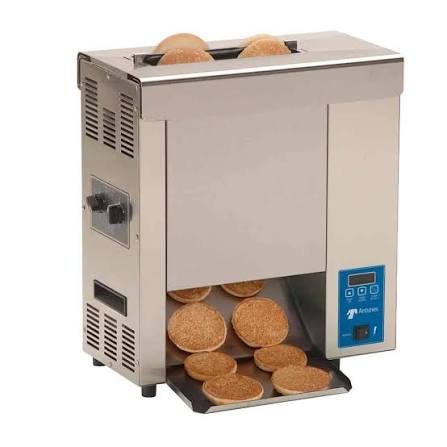
The Antunes 9210131 Vertical Contact Toaster is a commercial-grade bun toaster designed for high-volume kitchens that need fast, consistent, and evenly browned buns. Built for quick service restaurants, hotel breakfast bars, cafeterias, and sandwich shops, this vertical contact toaster helps maintain product quality by toasting the cut surface while keeping the exterior soft and warm. The result is a better texture balance, stronger sandwich structure, and improved food presentation.
This unit is valued for its compact footprint, durable construction, and dependable performance in demanding foodservice environments. It operates on 200-240 volts, single phase, 50/60 Hz, with a 1900W power rating, making it suitable for international commercial kitchens that need efficient bun toasting without sacrificing counter space. The 9210131 model measures approximately 23 inches wide, 10 3/4 inches deep, and 24 3/4 inches high, which gives it a practical size for busy prep lines.
The Antunes 9210131 Vertical Contact Toaster is commonly used for buns on burgers, breakfast sandwiches, and specialty menu items where speed and consistency matter. Estimated pricing for commercial units of this type typically falls in the mid-to-high professional equipment range, often around $2,000 to $4,000 depending on condition, supplier, and configuration. Availability may vary by distributor, refurbished equipment seller, and foodservice supply channels. For operations seeking reliable toast quality and efficient throughput, the Antunes 9210131 Vertical Contact Toaster remains a strong long-term investment.
Troubleshooting the Antunes 9210131 Vertical Contact Toaster
If the toaster does not power on, first confirm the unit is connected to the correct voltage supply and that the circuit breaker has not tripped. A common issue is incorrect power delivery, which can prevent heating or cause inconsistent operation. If toast quality is uneven, check for build-up on the heating surfaces, worn conveyor components, or incorrect settings based on bun type and thickness.
Some units may display service messages or fault indicators related to startup or power conditions. If an error message persists after cycling power, contact technical support immediately. Preventive maintenance should include daily cleaning, inspection of belts or platen surfaces, and regular checks for loose connections, worn parts, or debris that could affect performance. Avoid using the toaster with incorrect input voltage, and keep ventilation areas clear to reduce overheating risk.
Antunes provides a standard one-year limited warranty on equipment under normal use, with separate support for service and repair. For help, contact Antunes Technical Support at 877-392-7854. Customer service is also available at 1-877-392-7856 for installation or operational concerns. These support channels are especially useful when troubleshooting persistent heating issues, power problems, or toast quality inconsistencies.
Pros and Cons of the Antunes 9210131 Vertical Contact Toaster
Pros
- Delivers consistent bun toasting for burgers, breakfast sandwiches, and high-volume foodservice use.
- Compact commercial footprint fits tighter prep areas better than many conveyor-style toasters.
- Heavy-duty build quality supports long-term use in busy kitchens.
- Produces a crisp, golden-brown cut surface that improves sandwich structure and presentation.
- Strong value for operations that need reliability more than advanced digital controls.
Cons
- Requires proper commercial power, which may limit placement in smaller locations.
- Higher upfront cost than basic countertop toasters.
- Less flexible than newer digital or variable-speed contact toaster alternatives.
- Regular cleaning and maintenance are necessary to preserve toast quality.
Compared with compact mini contact toasters, the Antunes 9210131 Vertical Contact Toaster offers a more robust commercial setup, but it may not suit operators looking for a lower-cost or smaller-scale solution. For restaurants focused on throughput and dependable output, it offers solid value for money.
Customer Reviews for the Antunes 9210131 Vertical Contact Toaster
Customer feedback on the Antunes 9210131 Vertical Contact Toaster is generally positive, with many users giving it around 4.5 out of 5 stars for toast consistency and durability. Operators often praise its ability to produce evenly browned buns quickly during peak service, especially in burger and breakfast programs.
Common compliments include reliable performance, sturdy construction, and improved sandwich quality. Frequent complaints usually involve price, the need for routine cleaning, and occasional setup or electrical compatibility concerns. One user-style comment summarizes the experience well: “Once installed correctly, it runs smoothly and keeps up with breakfast rushes without burning the buns.”
Purchase is recommended for commercial kitchens that want dependable, repeatable results and are comfortable with routine maintenance. Buyers who need advanced digital controls or a lower entry price may want to compare it with newer vertical contact toaster models before deciding.
Faqs
How do I set up the antunes 9210131 Vertical Contact Toaster for the first time?
What should I do if the antunes 9210131 Vertical Contact Toaster is heating unevenly or browning bread inconsistently?
Which foods work best with the antunes 9210131 Vertical Contact Toaster?
How do I adjust the antunes 9210131 Vertical Contact Toaster for different bread thicknesses?
Why is my antunes 9210131 Vertical Contact Toaster not toasting properly after startup?
What maintenance routine keeps the antunes 9210131 Vertical Contact Toaster performing at peak efficiency?
Is the antunes 9210131 Vertical Contact Toaster compatible with high-volume restaurant service?
How can I get more consistent results from the antunes 9210131 Vertical Contact Toaster during busy shifts?
Tags
More antunes manuals
Leave a Comment