
Antunes VCT-2000 Vertical Contact Toaster User Manual
Content
Antunes VCT-2000 Vertical Contact Toaster: Product Manual and Buying Guide
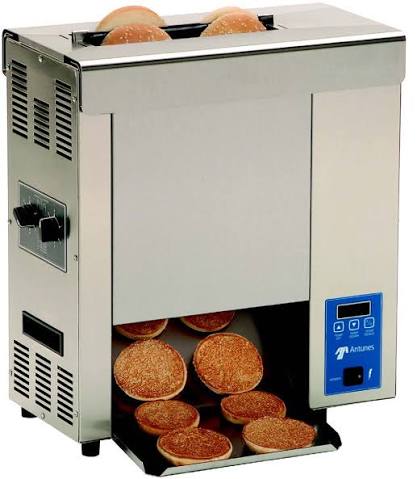
The Antunes VCT-2000 Vertical Contact Toaster is a high-performance commercial bun toaster designed for busy foodservice operations that need speed, consistency, and space-saving efficiency. Built with a vertical countertop footprint, this toaster uses two-sided heated platens to toast buns evenly while helping maintain the warmth of the finished product. It is a strong fit for burger restaurants, quick-service chains, cafeterias, hotel breakfast stations, and any operation where fast, repeatable toast quality matters.
One of the standout advantages of the Antunes VCT-2000 Vertical Contact Toaster is its digital controller, which allows operators to fine-tune toast quality for different bread products and production needs. Available versions support rapid pass-through times as fast as about 10 to 17 seconds depending on the configuration, making it a practical choice for high-volume service lines. The unit also includes stainless steel construction, a compact footprint, and commercial-grade electrical configurations suited to professional kitchens. Some models add features such as a butter spreader, auxiliary heating, or adjustable thickness controls for improved versatility.
Estimated pricing for the Antunes VCT-2000 Vertical Contact Toaster generally falls in the mid-to-premium commercial equipment range, with common online listings appearing around the low-to-mid $3,000s to nearly $4,000, while suggested retail pricing can be significantly higher. Availability is typically strongest through restaurant equipment dealers and commercial kitchen suppliers, and model-specific configurations may affect both price and lead time.
Pros and Cons of the Antunes VCT-2000 Vertical Contact Toaster
Pros
- Fast, consistent output: Ideal for peak service periods where toasted buns must be produced quickly and repeatedly.
- Compact vertical design: Saves valuable counter space compared with larger horizontal conveyor systems.
- Precise control: Digital settings help staff match toast color and texture to different bun styles.
- Commercial durability: Stainless steel construction is well suited for demanding kitchen environments.
- Versatile configurations: Different speed and power options make it adaptable to varied operations.
Cons
- Higher upfront cost: More expensive than basic countertop toasters, so it may be overkill for low-volume businesses.
- Requires commercial power: Many configurations need 208V service, which may limit installation options.
- Training is helpful: Staff may need guidance to dial in the best settings for different buns and workflows.
- Best for volume: Smaller cafés may not fully use its capacity, reducing value for money.
Compared with basic commercial toaster ovens, the Antunes VCT-2000 Vertical Contact Toaster delivers faster throughput and more consistent bun quality. Compared with larger conveyor toasters, it offers a smaller footprint and simpler placement, though it may not match the sheer output of bigger high-capacity systems.
Customer Reviews of the Antunes VCT-2000 Vertical Contact Toaster
Customer feedback for the Antunes VCT-2000 Vertical Contact Toaster is generally positive, with many operators rating it around 4.5 out of 5 stars for reliability, speed, and consistent results. Users frequently praise the toaster for producing evenly browned buns and improving line efficiency during busy meal periods.
Common compliments include “cuts down ticket times,” “toasts buns evenly every shift,” and “fits perfectly on our tight prep counter.” Frequent complaints usually focus on the price, the need for proper voltage, and the learning curve required to get ideal toast settings for different products. Some reviewers also mention that replacement parts and maintenance awareness are important in long-term use.
For businesses that need a dependable commercial bun toaster with strong speed and toast consistency, the Antunes VCT-2000 Vertical Contact Toaster is a recommended purchase. It is especially appealing for quick-service restaurants and high-volume kitchens that can take full advantage of its performance.
Frequently Asked Questions About the Antunes VCT-2000 Vertical Contact Toaster
What is the Antunes VCT-2000 Vertical Contact Toaster used for?
It is used to toast hamburger buns, sandwich rolls, and similar bread products quickly and consistently in commercial kitchens.
How fast does it toast?
Depending on the model, pass-through time can be as fast as about 10 to 17 seconds, with some configurations offering longer timing options for different products.
Is it suitable for small restaurants?
Yes, but it is best suited to locations with steady demand. Smaller operations may find the price and capacity more than they need.
What makes it different from standard toasters?
Its vertical contact design, two-sided heating, and commercial controls provide faster, more uniform results than typical countertop toasters.
Faqs
How do I set up the antunes VCT-2000 Vertical Contact Toaster for the first time?
Why is my antunes VCT-2000 Vertical Contact Toaster toasting unevenly, and how can I fix it?
What bread sizes and food items work best with the antunes VCT-2000 Vertical Contact Toaster?
How do I clean and maintain the antunes VCT-2000 Vertical Contact Toaster for long-term performance?
What should I do if the antunes VCT-2000 Vertical Contact Toaster is not heating up properly?
How can I optimize speed and browning on the antunes VCT-2000 Vertical Contact Toaster during busy service?
Can the antunes VCT-2000 Vertical Contact Toaster be used in a commercial kitchen with limited counter space?
What are the most common mistakes people make when using the antunes VCT-2000 Vertical Contact Toaster?
Tags
More antunes manuals
Leave a Comment