
Bryant 800SB Non-Condensing Gas Furnaces User Manual
Content
Bryant 800SB Non-Condensing Gas Furnaces Product Manual
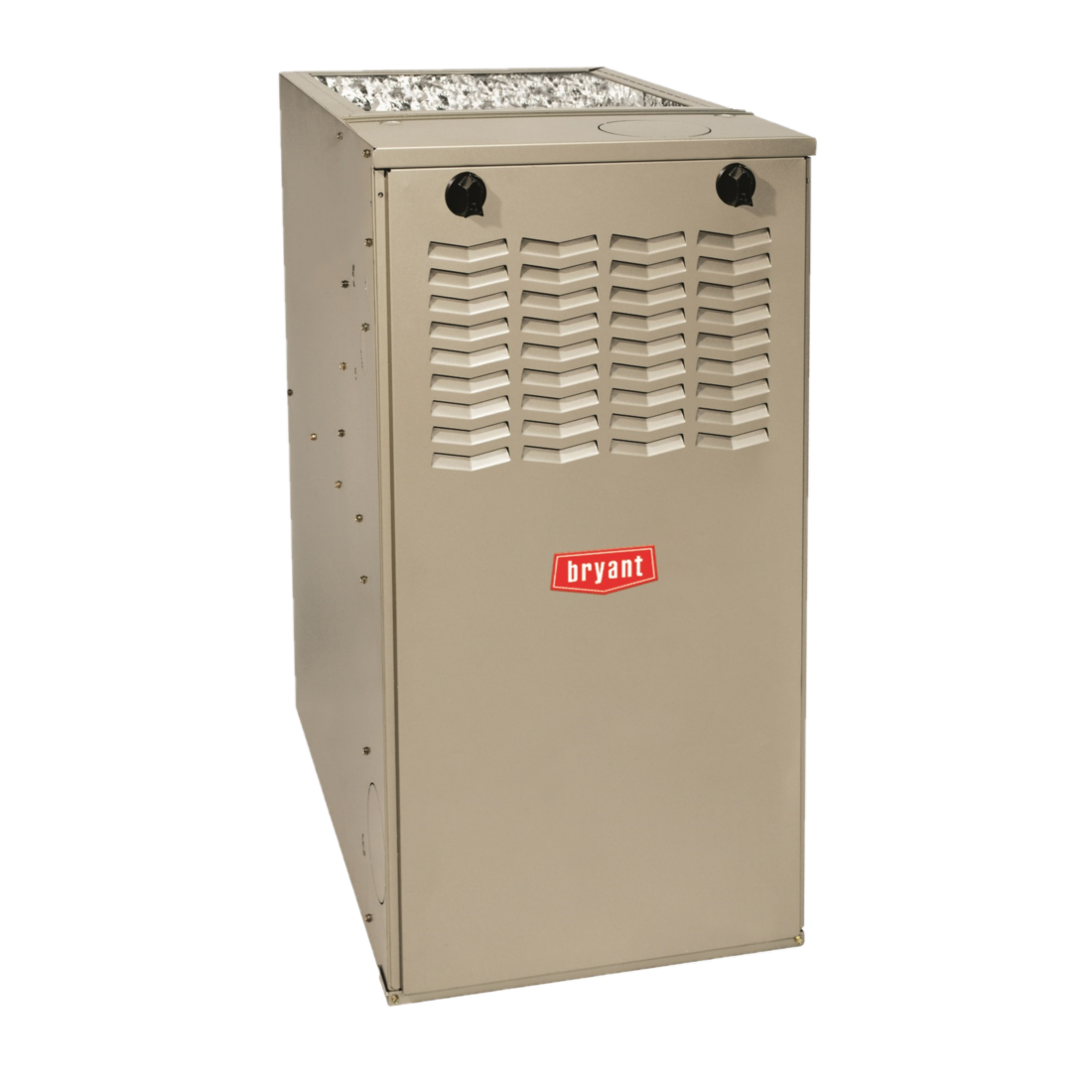
The Bryant 800SB non-condensing gas furnace is a popular 80% AFUE heating solution built for dependable comfort, quiet operation, and flexible installation. Designed as a single-stage, multi-speed ECM furnace, it fits a wide range of residential applications, including upflow, downflow, and horizontal configurations. Homeowners often choose the Bryant 800SB Non-Condensing Gas Furnaces line for its balance of efficiency, value, and serviceability, especially in climates where an 80% AFUE furnace is appropriate and venting through metal flue systems is preferred.
This model is well suited for replacing older, lower-efficiency furnaces or for new installations where a straightforward, durable gas heating system is needed. Key selling points include the 4-way multipoise design, quiet induced draft operation, easy service access, and compatibility with natural gas or propane. The integrated multi-speed ECM blower helps improve airflow control and indoor comfort while supporting efficient operation across different duct systems. For many homeowners, the Bryant 800SB Non-Condensing Gas Furnaces series offers a practical upgrade without the added complexity of a condensing system.
Estimated pricing typically ranges from about $1,700 to $3,500 for the unit, with installed costs often higher depending on sizing, labor, venting, and local code requirements. Availability is generally strong through Bryant dealers, HVAC distributors, and authorized contractors, though exact model availability may vary by region and supply conditions.
Specifications and Key Features of Bryant 800SB Non-Condensing Gas Furnaces
- AFUE rating: 80% efficiency for reliable standard-efficiency heating.
- Furnace type: Non-condensing, single-stage gas furnace.
- Blower motor: Multi-speed ECM motor for improved airflow control and quieter performance.
- Installation flexibility: 4-way multipoise design supports upflow, downflow, horizontal left, and horizontal right installations.
- Fuel options: Compatible with natural gas and propane.
- Venting: Through-the-furnace downflow venting and multiple venting options for adaptable setup.
- Serviceability: Features a 3-digit status display, NFC-enabled control board, and easy-access cabinet design.
- Noise control: QuieTech noise reduction helps reduce induced draft operating sound.
- Typical power: 115V single-phase residential electrical supply.
- Comparable products: Competes with other 80% AFUE non-condensing furnaces from Carrier, Lennox, and Goodman, but stands out for its installation flexibility and service diagnostics.
In performance terms, this furnace is best viewed as a dependable mid-range option. It is not a high-efficiency condensing furnace, but it delivers solid heating output with simpler venting requirements and lower upfront cost. For homeowners comparing Bryant 800SB Non-Condensing Gas Furnaces with similar models, the main tradeoff is efficiency versus installation simplicity and purchase price.
Troubleshooting Bryant 800SB Non-Condensing Gas Furnaces
If the furnace is not heating, start with the basics: confirm the thermostat is set to heat, raise the temperature above room temperature, check the breaker, and make sure the furnace switch is on. A clogged filter is a frequent cause of poor airflow, overheating shutdowns, and reduced comfort, so inspect and replace it regularly. Also verify that supply registers and return grilles are open and unobstructed.
- No heat: Check thermostat settings, power supply, shutoff switch, and circuit breaker.
- Weak airflow: Replace the filter, clean blocked vents, and inspect duct restrictions.
- Short cycling: Look for dirty filters, closed registers, or improper thermostat placement.
- Blower runs continuously: Check fan settings and thermostat wiring.
- Status display codes: Use the furnace’s 3-digit display to identify lockouts, ignition faults, or airflow issues, then follow the unit’s diagnostic chart in the manual.
Preventive care includes annual professional maintenance, filter changes every 1 to 2 months depending on usage, and seasonal inspection of the burner, venting, and blower assembly. Bryant commonly supports registered products with limited parts and heat exchanger coverage, so owners should confirm warranty status with the model label and purchase paperwork. For help, contact an authorized Bryant dealer or Bryant Customer Relations at 1-800-428-4326.
Pros and Cons of Bryant 800SB Non-Condensing Gas Furnaces
Pros
- Flexible installation: The 4-way multipoise layout works well in many replacement and retrofit jobs.
- Quiet operation: QuieTech noise reduction helps lower startup and draft noise.
- Good value: Lower upfront price than many high-efficiency condensing alternatives.
- Easy servicing: Diagnostic display and service-friendly cabinet can reduce repair time.
- Comfort control: Multi-speed ECM blower improves airflow consistency.
Cons
- Lower efficiency: 80% AFUE is less efficient than 90%+ condensing furnaces.
- Not ideal for every climate: Less attractive in regions with very high heating demand.
- Venting limitations: Requires appropriate venting setup, which may limit certain installs.
- Fewer premium features: Single-stage operation is simpler but less advanced than modulating systems.
For shoppers comparing Bryant 800SB Non-Condensing Gas Furnaces with higher-efficiency models, the strongest argument is value for money. It is a practical choice when installation cost, service simplicity, and reliable heat matter more than maximum efficiency.
Customer Reviews for Bryant 800SB Non-Condensing Gas Furnaces
Customer feedback for the Bryant 800SB line is generally positive, with many homeowners praising dependable heating, quiet operation, and straightforward service access. A common theme in reviews is appreciation for the furnace’s flexible installation options and stable airflow performance. Overall ratings often fall around 4.3 out of 5 stars for users who value durability and practical design.
- “Heats evenly and runs quieter than our old unit.” — 5 stars
- “Great replacement furnace for the price.” — 4 stars
- “Easy for our contractor to install and service.” — 5 stars
- “Wish it were a higher-efficiency model, but it fits our budget.” — 4 stars
Common complaints usually focus on the lower efficiency rating compared with condensing furnaces and the need for regular filter maintenance. For buyers seeking a reliable standard-efficiency gas furnace, the Bryant 800SB Non-Condensing Gas Furnaces series is often recommended as a smart, cost-conscious purchase.
Faqs
How do I set up Bryant 800SB Non-Condensing Gas Furnaces for the first time?
What venting requirements apply to Bryant 800SB Non-Condensing Gas Furnaces?
Why is my Bryant 800SB Non-Condensing Gas Furnace blowing cold air instead of heat?
What are the key features of Bryant 800SB Non-Condensing Gas Furnaces?
Are Bryant 800SB Non-Condensing Gas Furnaces compatible with smart thermostats?
How often should I maintain Bryant 800SB Non-Condensing Gas Furnaces?
What should I check if my Bryant 800SB Non-Condensing Gas Furnace keeps shutting off?
How can I improve the performance of Bryant 800SB Non-Condensing Gas Furnaces?
More bryant manuals
- Bryant Legacy 4-Way Multipoise Gas Furnace 830SB User Manual
- Bryant OBM098 Multipoise Oil Furnace User Manual
- Bryant 820SA Non-Condensing Gas Furnace User Manual
- Bryant GT Series Geothermal Heat Pump User Manual
- Bryant Series A Condensing Gas Furnance 986TA User Manual
- Bryant 619P-B High Wall Unit Ductless System User Manual
Leave a Comment