
Carrier 59SC5B Condensing Gas Furnace User Manual
Content
Carrier 59SC5B Condensing Gas Furnace Overview
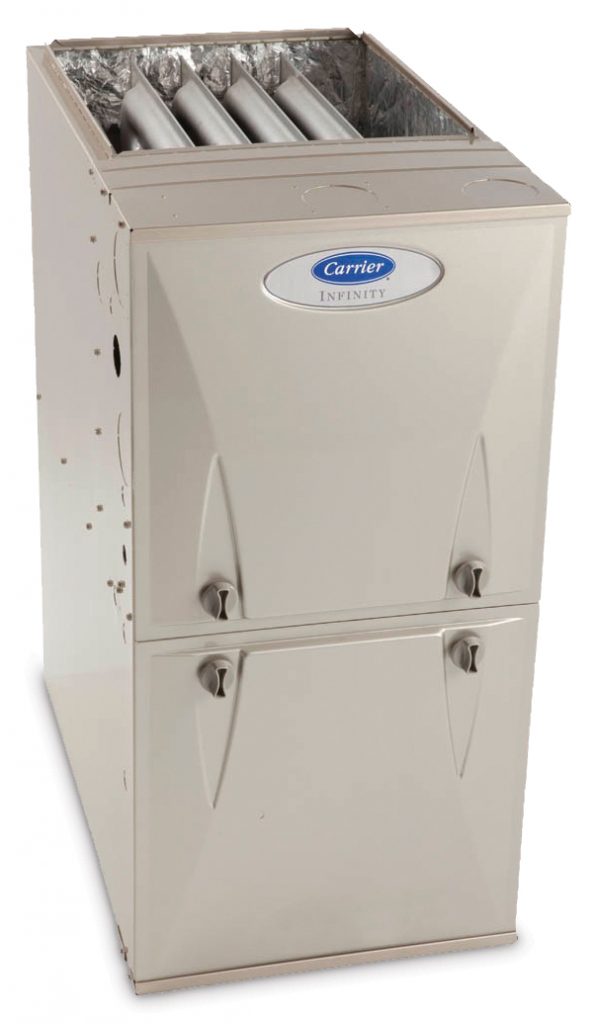
The Carrier 59SC5B condensing gas furnace is a single-stage, 4-way multipoise heating system designed for dependable home comfort and strong fuel efficiency. Built for homeowners who want a high-efficiency replacement furnace or a new installation for moderate to large spaces, this model is a practical choice for consistent winter heating, quieter operation, and lower utility costs. Its condensing design helps maximize heat extraction from combustion gases, which is why the series is commonly associated with roughly 95% to 96% AFUE performance depending on configuration and size.
This furnace is especially well-suited for residential users looking for a balance of value, reliability, and efficiency without stepping into more expensive multi-stage or modulating systems. The Carrier 59SC5B is available in multiple input sizes, with common versions around 40,000 to 80,000 BTU and cabinet widths that fit different installation spaces. Typical configurations include natural gas with propane conversion support, electronic ignition, and ECM-based blower technology for improved comfort and airflow control. Homeowners often choose this model for retrofit projects, whole-home heating upgrades, and energy-conscious HVAC replacements.
Estimated pricing generally falls in the mid-range furnace category, with equipment-only costs often varying by size, dealer, and region. Installation packages typically cost more due to venting, labor, and setup requirements. Availability is usually strong through HVAC distributors, dealers, and parts resellers, though exact stock depends on the specific 59SC5B configuration and local market demand.
Specifications for Carrier 59SC5B Condensing Gas Furnace
- Type: Single-stage, condensing gas furnace
- Configuration: 4-way multipoise installation
- Efficiency: Approximately 95% to 96% AFUE depending on model variant
- Fuel type: Natural gas, with propane conversion on many versions
- Heat exchanger: Clamshell-style primary exchanger with stainless steel secondary exchanger
- Blower motor: ECM or constant-torque ECM on many configurations
- Ignition: Silicon nitride hot surface ignition
- Input range: Commonly 40,000 to 80,000 BTU
- Output range: Roughly 39,000 to 78,000 BTU depending on size
- Cabinet widths: Commonly 14-inch, 17-inch, 21-inch, and 24-inch class widths
- Electrical: 120V, 60Hz residential power
- Air delivery: Varies by cabinet size and blower setup, with heating airflow commonly around 695 to 1,330 CFM on smaller variants
Compared with basic 80% AFUE furnaces, the Carrier 59SC5B condensing gas furnace delivers better annual efficiency and lower fuel waste. Compared with premium modulating systems, it offers simpler operation and a more affordable price point while still providing solid comfort and dependable heating performance.
Troubleshooting Common Carrier 59SC5B Furnace Problems
If the furnace will not start, check the thermostat settings, circuit breaker, gas supply, and air filter first. A dirty filter or blocked intake can trigger safety shutdowns and reduce airflow. If the inducer runs but the burners do not light, the issue may involve the hot surface igniter, flame sensor, gas valve, or pressure switch.
- No heat: Confirm thermostat mode, replace batteries, check power, and verify the gas shutoff valve is open.
- Short cycling: Replace a clogged filter, inspect duct airflow, and make sure return vents are not blocked.
- Blower runs constantly: Review thermostat fan settings and check the control board.
- Ignition failure: Clean the flame sensor, inspect the igniter, and verify venting is clear.
- Condensate drain issue: Clear the drain line and trap if water is backing up.
Common furnace fault indicators on Carrier systems often relate to pressure switch faults, ignition lockout, or limit switch trips. Preventive maintenance includes changing filters regularly, cleaning condensate lines, checking vent pipes, and scheduling annual service. Warranty coverage varies by model and registration status, so review the unit paperwork and dealer documentation. For service help, contact a licensed HVAC technician or Carrier-authorized support through the local dealer network and homeowner product literature channels.
Pros and Cons of the Carrier 59SC5B Condensing Gas Furnace
Pros
- High efficiency with strong AFUE performance for lower heating bills.
- Single-stage design is simple, reliable, and easier to maintain than complex modulating systems.
- ECM blower technology helps improve airflow efficiency and comfort.
- Multipoise installation flexibility makes it easier to fit into different HVAC setups.
- Good value for homeowners who want premium efficiency without premium-tier controls.
Cons
- Single-stage operation may feel less refined than two-stage or variable-capacity alternatives.
- Condensing design requires proper drainage and venting, adding installation complexity.
- Repair costs can be higher than basic furnaces if specialized parts are needed.
- Not the quietest or most advanced Carrier option compared with top-tier comfort models.
For value for money, the carrier 59SC5B Condensing Gas Furnace is a strong middle-ground choice. It is usually a better efficiency buy than older standard-efficiency models, while remaining more affordable than premium multi-stage systems from Carrier and other major HVAC brands.
Customer Reviews and User Feedback on the Carrier 59SC5B Condensing Gas Furnace
Customer feedback for the carrier 59SC5B Condensing Gas Furnace is generally positive, with many users praising steady heat output, improved energy savings, and dependable winter performance. Typical ratings trend around 4 out of 5 stars among homeowners who prioritize efficiency and straightforward operation.
- Praised for: quiet startup, warm airflow, and lower gas bills
- Common complaints: occasional condensate drain maintenance and the need for professional installation
- Frequently mentioned issue: airflow sensitivity when filters are neglected
- Purchase recommendation: best for homeowners upgrading from older low-efficiency furnaces
One common testimonial theme is that the furnace “heats evenly and runs efficiently without complicated controls.” Another frequent note is that performance depends heavily on correct sizing and proper duct setup. Buyers looking for a durable, efficient, and practical gas furnace often consider this model a solid long-term investment.
Faqs
How do I set up the carrier 59SC5B Condensing Gas Furnace for the first time?
What should I do if my carrier 59SC5B Condensing Gas Furnace is not heating properly?
Can the carrier 59SC5B Condensing Gas Furnace be installed in different orientations?
What makes the carrier 59SC5B Condensing Gas Furnace energy efficient?
Is the carrier 59SC5B Condensing Gas Furnace compatible with propane conversion?
Why is my carrier 59SC5B Condensing Gas Furnace making unusual noises?
How often should I maintain the carrier 59SC5B Condensing Gas Furnace?
What are the most important airflow and venting requirements for the carrier 59SC5B Condensing Gas Furnace?
Leave a Comment