
Carrier 59TN6B Condensing Gas Furnace User Manual
Content
Carrier 59TN6B Condensing Gas Furnace: Complete Product Manual
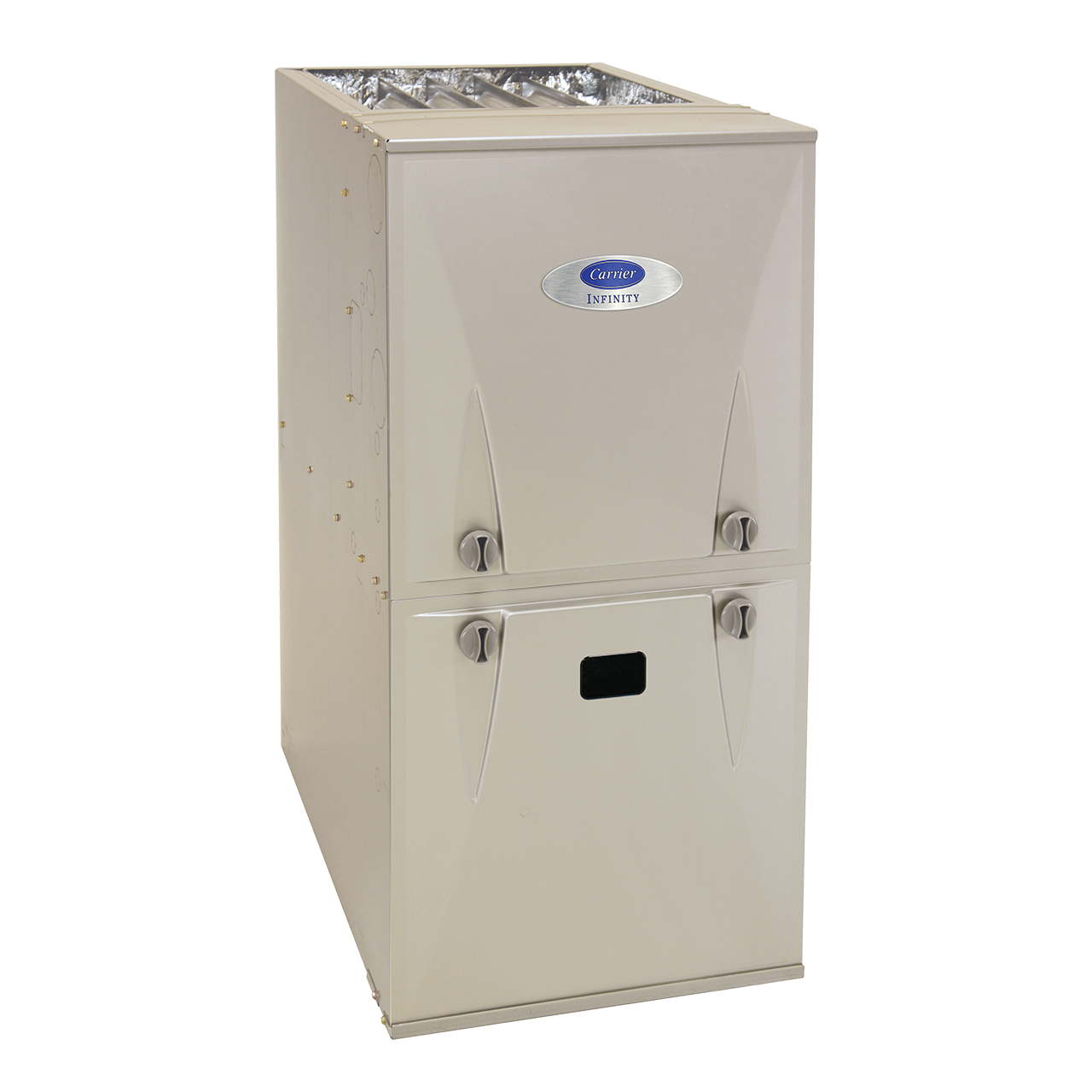
The Carrier 59TN6B condensing gas furnace is a premium high-efficiency heating solution designed for homeowners who want dependable comfort, quiet operation, and lower energy use. As part of Carrier’s Infinity line, this two-stage, variable-speed furnace is built to deliver consistent warmth while helping reduce temperature swings and improving indoor comfort throughout the home. With AFUE ratings up to 96.7%, it is engineered for households that need strong winter performance without sacrificing efficiency.
This model is especially well-suited for medium to large homes, retrofit installations, and new HVAC systems that require flexible airflow and multipoise installation. Its variable-speed ECM blower supports smoother air distribution, better humidity control, and quieter operation than standard single-speed furnaces. Homeowners often choose this furnace for its energy savings, advanced comfort control, and compatibility with modern thermostat and zoning setups.
The carrier 59TN6B Condensing Gas Furnace typically falls in the premium residential category, with estimated pricing often ranging from about $3,500 to $7,500 installed, depending on size, region, labor, ductwork, and configuration. Availability is generally through authorized HVAC dealers and installers rather than direct retail, which helps ensure proper setup, calibration, and warranty support. For buyers comparing high-efficiency gas furnaces, this model stands out for its balance of performance, efficiency, and long-term value.
Specifications: Carrier 59TN6B Furnace Technical Details
- Heating type: Condensing gas furnace
- Fuel options: Natural gas with optional LP conversion kit
- Efficiency: Up to 96.7% AFUE, depending on size and installation
- Heating stages: Two-stage operation for better comfort control
- Blower motor: Variable-speed ECM motor
- Airflow: Multipoise airflow for upflow, downflow, and horizontal applications
- Cabinet width: Commonly 17.5 inches on select 60,000 BTU models
- Input range: Approximately 39,000 to 60,000 BTU on 60,000 BTU versions
- Output range: Approximately 38,000 to 58,000 BTU on 60,000 BTU versions
- Electrical requirements: 115 VAC, single-phase, 60 Hz
- Ignition: Hot surface ignition system
- Venting: Designed for high-efficiency condensing venting applications
- Filter support: Integrated filter rack on select configurations
Compared with many standard 80% AFUE furnaces, the Carrier 59TN6B delivers better fuel efficiency and more refined comfort control. Against other premium two-stage furnaces, it competes strongly on noise reduction, airflow stability, and energy performance. For homeowners searching for a high-efficiency gas furnace with variable-speed blower technology, it is a strong benchmark model in its class.
Detailed Description: How the Carrier 59TN6B Works
The Carrier 59TN6B condensing gas furnace uses sealed combustion and condensing technology to capture more heat from exhaust gases than traditional furnaces. By extracting additional thermal energy before venting, the system can achieve significantly higher efficiency and lower fuel waste. Its two-stage gas valve allows the furnace to run at a lower heating level during mild weather and ramp up when demand increases, which improves comfort and reduces short cycling.
The variable-speed ECM blower is one of the furnace’s most valuable features. It adjusts airflow gradually to match heating demand, helping maintain more even room temperatures and supporting better air circulation throughout the home. In real-world use, this means fewer cold spots, quieter start-up, and improved comfort during long winter cycles. This makes the furnace particularly useful in homes with open floor plans, multiple levels, or occupants sensitive to airflow noise.
Build quality is consistent with Carrier’s premium residential lineup, using a durable steel cabinet and components designed for long service life. The compact cabinet design helps when space is limited, while the multipoise configuration gives installers more placement flexibility. Homeowners typically appreciate the smoother operation, quieter performance, and lower monthly gas usage associated with the carrier 59TN6B Condensing Gas Furnace.
Setup Guide: Installation and Initial Configuration
Because this furnace is a gas-burning, high-efficiency appliance, installation should be completed by a licensed HVAC professional. Proper setup is essential for safe operation, correct venting, and warranty protection. Before installation, confirm that the model size matches the home’s heating load, duct system, and gas supply.
- 1. Inspect the installation area and verify clearances, vent paths, and condensate drainage.
- 2. Mount the furnace in the required orientation: upflow, downflow, or horizontal as supported by the configuration.
- 3. Connect the gas line, electrical supply, venting, and condensate drain according to local code.
- 4. Set airflow and heating stage configuration based on duct size, thermostat type, and home demand.
- 5. Install the thermostat and confirm compatibility with two-stage and variable-speed operation.
- 6. Test ignition, verify combustion, and confirm proper temperature rise across the system.
- 7. Check for leaks, secure all panels, and perform a full startup cycle.
Safety warnings are critical: never operate the furnace with incomplete venting, disconnected condensate drainage, or suspected gas leaks. Use a carbon monoxide detector in the home, and do not attempt internal adjustments without proper training. If airflow or ignition problems appear during startup, shut the system down and request professional service.
Troubleshooting: Common Carrier 59TN6B Furnace Problems and Fixes
Most issues with the carrier 59TN6B Condensing Gas Furnace are related to airflow, ignition, condensate drainage, or thermostat communication. If the furnace fails to heat, check the thermostat settings, power supply, gas valve position, and air filter condition first. A clogged filter can restrict airflow and trigger safety shutdowns or poor performance.
- Problem: Furnace will not start. Solution: Verify power, thermostat demand, gas supply, and door switch alignment.
- Problem: Burner lights but shuts off quickly. Solution: Check for blocked intake/exhaust piping or airflow restriction.
- Problem: Reduced heat output. Solution: Replace dirty filters and inspect ductwork for obstruction.
- Problem: Water around unit. Solution: Inspect condensate drain lines for clogging or improper slope.
- Problem: Unusual noise. Solution: Check blower wheel, panels, and mounting for loose components.
Specific fault codes can vary by thermostat, control board, and system revision, so owners should refer to the unit’s manual or diagnostic chart for exact meanings. Preventive maintenance includes seasonal filter replacement, annual burner inspection, condensate line cleaning, and combustion checks. Warranty support is available through Carrier dealers, and homeowners can contact Carrier customer care at 1-800-CARRIER for product and coverage questions.
Pros & Cons: Carrier 59TN6B Review
Pros
- High efficiency with up to 96.7% AFUE for lower heating costs.
- Two-stage operation improves comfort and reduces temperature swings.
- Variable-speed blower runs quieter than basic single-speed furnaces.
- Multipoise design supports flexible installation in different home layouts.
- Strong value for homeowners seeking a premium high-efficiency furnace.
Cons
- Higher upfront cost than standard efficiency gas furnaces.
- Requires professional installation and setup for best performance.
- More complex than entry-level models, which can raise service costs.
- Best value depends on proper sizing and duct compatibility.
For buyers comparing premium alternatives, this furnace offers a better comfort experience than many basic two-stage models, especially when paired with a compatible thermostat and properly designed ductwork. The added efficiency and quieter operation often justify the investment for long-term homeowners.
Customer Reviews: What Homeowners Say
Homeowners often rate the Carrier 59TN6B around 4.5 out of 5 stars for comfort, quiet operation, and energy savings. Common praise includes stable indoor temperatures, reduced noise, and noticeable improvements over older single-stage furnaces. Many users also like the furnace’s ability to warm the home quickly without aggressive blower noise.
Frequent complaints usually involve installation cost, the need for professional servicing, and occasional confusion over thermostat setup or maintenance reminders. One homeowner comment often shared is that the furnace “runs so quietly we barely notice it,” while another notes that the “higher price was worth it for the comfort difference.”
Purchase recommendation: this model is a smart choice for homeowners who want a premium furnace and plan to stay in the home long enough to benefit from energy savings. Buyers who prioritize the lowest upfront price may prefer a simpler alternative, but those wanting the best mix of efficiency, comfort, and quiet operation will find strong value here.
Faqs
How do I set up the Carrier 59TN6B Condensing Gas Furnace for the first time?
Why is my Carrier 59TN6B Condensing Gas Furnace not heating enough in cold weather?
What makes the Carrier 59TN6B Condensing Gas Furnace different from a single-stage furnace?
Which thermostat works best with the Carrier 59TN6B Condensing Gas Furnace?
Why does the Carrier 59TN6B Condensing Gas Furnace keep turning on and off too often?
How do I maintain a Carrier 59TN6B Condensing Gas Furnace for reliable performance?
Can the Carrier 59TN6B Condensing Gas Furnace be converted to propane?
What should I check if the Carrier 59TN6B Condensing Gas Furnace is blowing cold air?
Leave a Comment