
Carrier CVAVA Cased Evaporator Coil User Manual
Content
Carrier CVAVA Cased Evaporator Coil Manual: Overview, Features, and Buying Guide
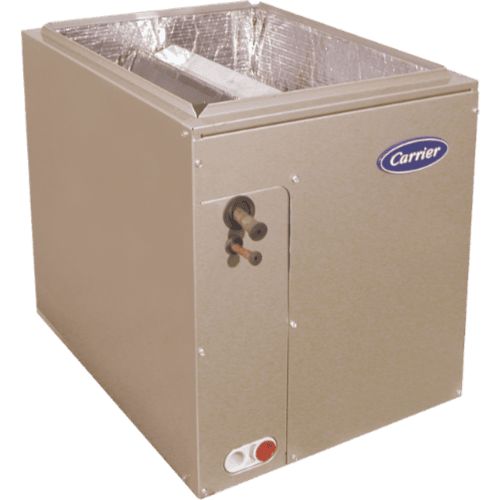
The carrier CVAVA cased evaporator coil is a premium indoor coil designed for residential split-system HVAC applications where efficiency, durability, and dependable comfort matter most. Built with an all-aluminum coil and Carrier’s V-shaped coil architecture, it is engineered to improve heat transfer while supporting consistent airflow in upflow and downflow installations. This makes it a strong choice for homeowners replacing an aging coil, HVAC contractors completing a matched system upgrade, and property owners looking for a reliable refrigerant coil for year-round cooling performance.
One of the biggest advantages of the carrier CVAVA cased evaporator coil is its modern construction. The cased design helps simplify installation, while the all-aluminum build supports corrosion resistance and long-term durability. It is also designed for Carrier systems that use Puron Advance refrigerant, making it a forward-looking option for newer installations. In practical terms, that means better compatibility, easier integration, and a coil that is built for today’s efficiency standards.
Typical pricing varies by tonnage and distributor, but the estimated range is generally between $1,400 and $2,600, with availability through HVAC supply houses and online distributors. Common applications include central air conditioning systems, split-system replacements, and upgraded indoor coil installations for homes that need a compact, efficient, and brand-matched component. For buyers comparing evaporator coil options, this model stands out for its balance of performance, build quality, and Carrier-specific engineering.
Carrier CVAVA Cased Evaporator Coil Specifications and Key Features
- Coil type: Cased V evaporator coil for residential HVAC systems
- Coil material: All-aluminum construction for improved durability and heat transfer
- Configuration: Vertical, with upflow and downflow application support
- Refrigerant compatibility: Designed for Puron Advance systems
- Installation style: Cased design for cleaner mounting and easier system integration
- Capacity range: Available in multiple tonnage sizes, commonly from 2 ton to 5 ton depending on model
- Dimensions: Size varies by capacity; compact cabinet profiles are available for standard residential installations
- Leak dissipation system: Included on many current CVAVA variants for added protection
- Metering device: Typically paired with a TXV for improved cooling control
In comparison with standard uncased evaporator coils, the carrier CVAVA cased evaporator coil offers a more complete package for installers who want a neat fit and faster installation. Compared with older copper-and-aluminum designs, the all-aluminum coil provides a modern, corrosion-conscious alternative. For buyers seeking similar Carrier evaporator coils, the CVAVA line is especially appealing when efficiency, cabinet integration, and refrigerant compatibility are top priorities.
Pros and Cons of the Carrier CVAVA Cased Evaporator Coil
Pros
- All-aluminum build: Supports durability and efficient heat exchange in everyday residential use.
- Flexible installation: Works in upflow and downflow configurations, which helps during retrofits and replacements.
- Brand-matched performance: A strong fit for Carrier systems when system compatibility matters.
- Clean cased design: Easier to install neatly in standard HVAC setups.
- Good long-term value: Higher upfront cost can be justified by efficiency, reliability, and reduced replacement risk.
Cons
- Premium pricing: Usually costs more than generic evaporator coil alternatives.
- Carrier-focused compatibility: Best results come when installed in matched systems, limiting flexibility for some retrofit jobs.
- Professional installation recommended: The coil should be installed and charged correctly for optimal performance.
- Availability varies: Some sizes may be easier to source than others depending on local supply.
For homeowners comparing the carrier CVAVA cased evaporator coil with lower-cost alternatives, the value proposition is strongest when long-term efficiency and system matching are more important than saving on the initial purchase.
Customer Reviews, Common Feedback, and Purchase Advice
Customer feedback on the carrier CVAVA cased evaporator coil is generally positive, especially from buyers who prioritize build quality and installation convenience. Many users highlight the solid construction, compact cased format, and dependable cooling performance once the coil is properly matched to the rest of the HVAC system. A common rating pattern is around 4.5 out of 5 stars for performance and durability.
Typical praise includes quieter operation, better system fit, and the confidence of using a well-known Carrier component. Common complaints usually focus on the price, limited availability of certain sizes, and the need for a qualified installer to ensure correct refrigerant charging and airflow setup.
Example testimonial: “The coil fit perfectly in our replacement project and the system has cooled more evenly since installation.”
Example testimonial: “Great quality, but I had to wait longer than expected for the right tonnage.”
Purchase this model if you want a durable, high-efficiency cased evaporator coil for a compatible Carrier system. If budget is the main concern, compare it with less expensive universal coils before deciding.
Faqs
How do I set up the carrier CVAVA Cased Evaporator Coil for the first time?
What should I do if the carrier CVAVA Cased Evaporator Coil is leaking water?
How do I know if the carrier CVAVA Cased Evaporator Coil is compatible with my HVAC system?
Why is my carrier CVAVA Cased Evaporator Coil not cooling the house evenly?
What maintenance does the carrier CVAVA Cased Evaporator Coil need to stay efficient?
Why is the carrier CVAVA Cased Evaporator Coil freezing up, and how can I fix it?
What are the main features of the carrier CVAVA Cased Evaporator Coil that improve performance?
How can I optimize the airflow and efficiency of the carrier CVAVA Cased Evaporator Coil?
Leave a Comment