
Carrier ERV & HRV Fresh Air Systems User Manual
Content
Carrier ERV & HRV Fresh Air Systems: Complete Product Manual and Buying Guide
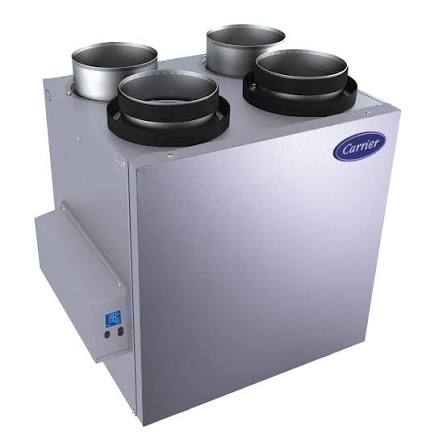
Carrier ERV & HRV Fresh Air Systems are designed to improve indoor air quality by exchanging stale indoor air with fresh outdoor air while helping reduce energy loss. These ventilation systems are especially valuable in tightly sealed homes, where natural airflow is limited and excess humidity, odors, and pollutants can build up quickly. Carrier offers both energy recovery ventilators (ERVs) for humid or warmer climates and heat recovery ventilators (HRVs) for colder climates, giving homeowners a climate-specific solution for balanced ventilation.
The biggest advantage of Carrier ERV & HRV Fresh Air Systems is their ability to condition incoming air before it enters the home. ERVs transfer moisture and heat, which helps maintain comfort in humid summers, while HRVs focus on transferring heat in winter to reduce heating load. Carrier’s ventilators are built for quiet operation, efficient airflow, and simple integration with residential HVAC systems. Many models support airflow from roughly 130 CFM to more than 230 CFM depending on configuration, making them suitable for apartments, townhomes, and larger single-family homes.
These systems are ideal for homeowners, builders, HVAC contractors, and property managers who want controlled ventilation, better humidity management, and improved comfort. Typical use cases include whole-home fresh air ventilation, new construction, energy-efficient remodels, and homes with moisture or indoor air quality concerns. Estimated pricing generally ranges from about $900 to $2,500 for the unit, with installed costs often higher depending on ductwork, controls, and labor. Carrier ERV & HRV Fresh Air Systems are widely available through HVAC distributors, online suppliers, and authorized dealers.
Technical Specifications for Carrier ERV & HRV Fresh Air Systems
- System type: Energy Recovery Ventilator (ERV) and Heat Recovery Ventilator (HRV)
- Airflow capacity: Common models range from about 130 CFM to 231 CFM
- Recovery performance: Up to 65% sensible recovery efficiency on ERV models; up to 78% sensible recovery efficiency on select HRV models
- Installation options: Horizontal and vertical configurations are available
- Core design: Cross-flow and counterflow heat exchanger cores for efficient air transfer
- Filtration: Standard washable filters, with optional higher-grade filter upgrades on some models
- Power requirements: Common residential units use 120V, 60Hz power
- Noise performance: Sound levels vary by model, with some units operating around 70 dBA at higher airflow settings
- Defrost protection: Energy-saving defrost cycles included on many HRV models
- Climate match: ERVs suit humid summers and warmer climates; HRVs suit cold winters and non-humid climates
Compared with similar fresh air ventilators from other residential HVAC brands, Carrier units stand out for their broad model range, strong sensible recovery ratings, and flexible installation formats. In practical use, that means better comfort control with less energy waste, especially in tightly built homes that need managed ventilation rather than uncontrolled air leakage.
Pros and Cons of Carrier ERV & HRV Fresh Air Systems
Pros
- Strong energy efficiency: Helps recover heat or moisture, reducing the burden on heating and cooling equipment.
- Better indoor air quality: Brings in filtered fresh air while exhausting stale indoor air, odors, and excess humidity.
- Climate-specific options: ERV and HRV models let buyers choose the right system for their region.
- Flexible sizing: Multiple airflow capacities make it easier to match different home sizes.
- Good value for whole-home ventilation: Often more cost-effective long term than running exhaust fans or relying on passive air leakage.
Cons
- Installation complexity: Best results usually require professional setup and proper duct balancing.
- Higher upfront cost: More expensive than basic exhaust-only ventilation systems.
- Maintenance required: Filters and cores need periodic cleaning to keep performance high.
- Noise can increase at higher speeds: Larger airflow settings may be noticeable in quiet homes.
For homeowners comparing Carrier ERV & HRV Fresh Air Systems with lower-cost alternatives, the main tradeoff is upfront investment versus long-term comfort and efficiency. They are especially good value for new construction, high-performance homes, and households that need dependable ventilation year-round.
Customer Reviews and Real-World Feedback
Average user sentiment for Carrier ERV & HRV Fresh Air Systems tends to be positive, with many buyers rating them around 4 out of 5 stars for comfort improvement and energy performance. Homeowners often praise the noticeable boost in fresh air circulation, reduced stuffiness, and better humidity control after installation.
- “4.5/5” — “Our home feels less stale, and the system runs quietly most of the day.”
- “4/5” — “Great fresh air exchange, but installation took longer than expected.”
- “3.8/5” — “Works well, though filter maintenance is more frequent than I thought.”
Common complaints usually involve installation costs, occasional noise at higher airflow levels, and the need for regular maintenance. Buyers looking for the best experience should have the system sized correctly and installed by an HVAC professional. For homes that need reliable balanced ventilation, Carrier ERV & HRV Fresh Air Systems remain a strong recommendation.
Faqs
How do I set up carrier ERV & HRV Fresh Air Systems for the first time in a new home?
What should I do if my carrier ERV & HRV Fresh Air Systems is bringing in little fresh air?
How do carrier ERV & HRV Fresh Air Systems help control indoor humidity and stale air?
Which home setups are compatible with carrier ERV & HRV Fresh Air Systems?
How can I optimize carrier ERV & HRV Fresh Air Systems for quieter operation and better efficiency?
What maintenance does carrier ERV & HRV Fresh Air Systems need to stay reliable?
Why is my carrier ERV & HRV Fresh Air Systems making noise or vibrating during operation?
How do I choose between carrier ERV & HRV Fresh Air Systems for my climate and lifestyle?
Leave a Comment