
Setup: Carrier OBM154 Multipoise Oil Furnace User Manual
Content
Carrier OBM154 Multipoise Oil Furnace: Complete Product Manual and Buyer Guide
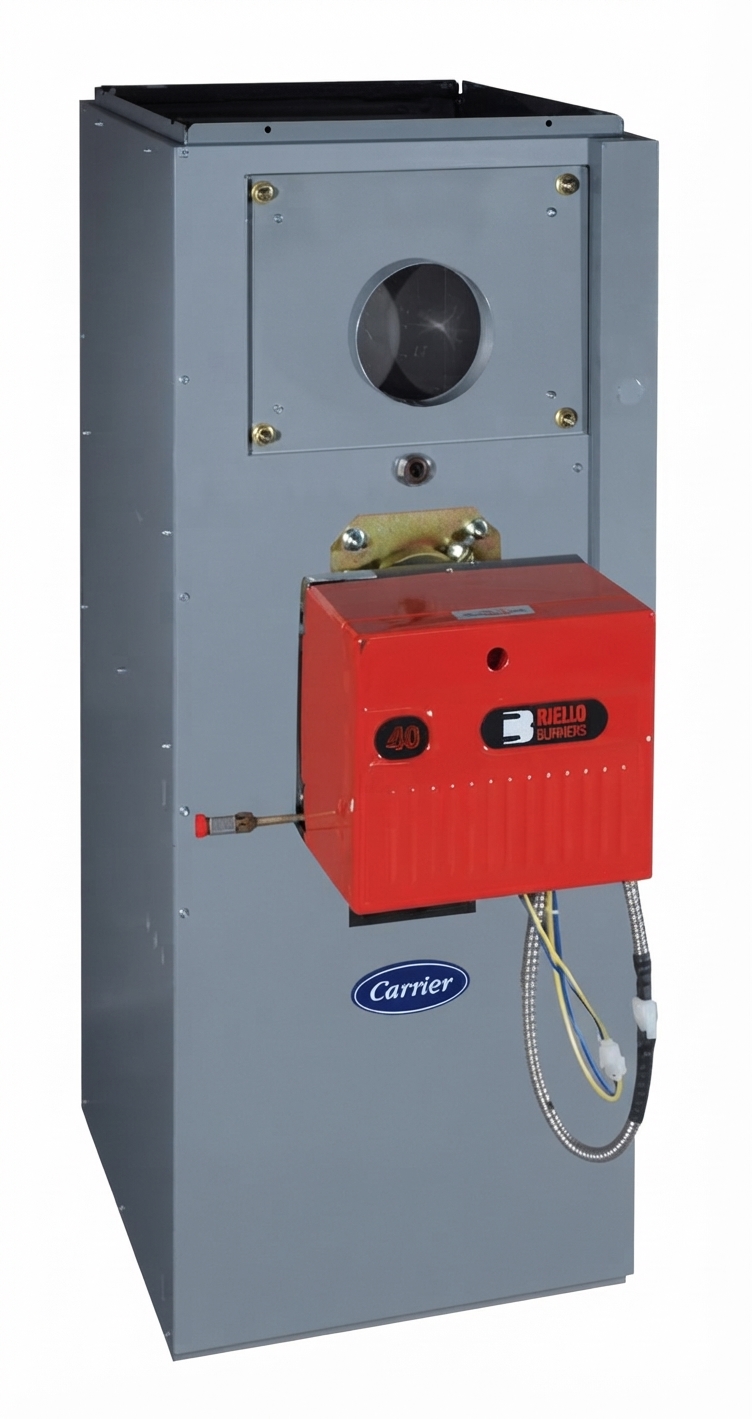
The Carrier OBM154 multipoise oil furnace is a high-efficiency, low-profile heating solution designed for homeowners who need dependable oil-fired warmth in tight spaces. Built for flexible installation, the multipoise cabinet layout allows the unit to be configured in multiple orientations, making it a strong fit for basements, utility rooms, and other compact mechanical spaces. With comfort-focused airflow, quiet operation, and strong heat output, the Carrier OBM154 multipoise oil furnace is aimed at households that want consistent winter performance without taking up unnecessary floor space.
One of the biggest selling points is its balance of efficiency and durability. The OBM platform is known for up to 86.4% AFUE efficiency, insulated cabinetry, and a reliable oil burner design that helps deliver steady heat with less noise than many older oil furnaces. It is a practical choice for homeowners replacing an aging oil-fired system, especially in colder climates where oil heat remains common. Typical pricing for a Carrier OBM154 multipoise oil furnace and installation generally falls in the mid-range for residential oil furnaces, with total project costs often landing around the low-to-mid thousands depending on ductwork, burner setup, venting, and labor. Availability is usually through HVAC distributors, licensed contractors, and authorized Carrier dealers, and the model may also appear under legacy OBM naming in some product listings.
Setup Guide: How to Install and Configure a Carrier OBM154 Multipoise Oil Furnace
Installation of a Carrier OBM154 multipoise oil furnace should always be handled by a licensed HVAC technician because oil supply lines, combustion settings, venting, and safety controls must be configured correctly. Begin by confirming the furnace location, clearances, and required airflow path. Next, choose the multipoise orientation that best suits the available space, then level the cabinet and secure it to the pad or floor as specified by the installer. After that, connect the oil line, venting, ductwork, electrical supply, and thermostat wiring.
Configuration options usually include burner setup, blower speed adjustment, and thermostat compatibility. In some installations, the furnace can be paired with a Thermidistat or standard thermostat depending on the system design. Safety checks are essential before startup: verify there are no fuel leaks, ensure flue connections are sealed, and confirm proper combustion air supply. If the unit does not start, common first checks include thermostat settings, power supply, oil supply, and burner lockout status. Never attempt to bypass safety controls or run the furnace with a suspected fuel odor.
Troubleshooting Carrier OBM154 Oil Furnace Problems
Like most oil furnaces, the Carrier OBM154 multipoise oil furnace can experience ignition, airflow, or fuel-delivery issues if maintenance is neglected. A furnace that will not ignite often points to a dirty nozzle, clogged fuel filter, failed cad cell, tripped reset, or air in the oil line. If the blower runs but little heat is produced, check the burner flame, burner primary control, and airflow restrictions such as a dirty filter or blocked return vent. Strange odors or soot usually signal combustion problems that require immediate service.
Typical oil furnace error conditions are often reported as burner lockout, flame failure, or pressure switch faults rather than a detailed digital code display. The safest fix is to shut the system down and call for professional service if the unit repeatedly locks out or trips the reset button. Preventive maintenance includes annual cleaning, nozzle replacement, filter changes, burner tuning, and inspection of the heat exchanger and venting. Warranty coverage for Carrier oil furnaces commonly includes limited parts protection and a heat exchanger warranty, though exact terms depend on registration and dealer paperwork. For help, contact a local Carrier HVAC dealer or an authorized service contractor and have the model number, serial number, and symptoms ready.
Pros and Cons of the Carrier OBM154 Multipoise Oil Furnace
Pros
- High efficiency for an oil furnace, with strong seasonal heating performance.
- Multipoise design supports flexible installation in low-clearance or compact spaces.
- Quiet operation thanks to insulated cabinet construction and flue silencing features.
- Reliable heating output for cold-weather homes that depend on oil heat.
- Good value for homeowners replacing an older, less efficient furnace.
Cons
- Requires professional installation and regular oil-system maintenance.
- Not ideal for homes looking to move away from oil fuel dependence.
- Typically costs more to operate than modern high-efficiency gas or heat pump systems.
- Parts and service can vary by region depending on local oil-heating contractor availability.
Compared with standard low-cost oil furnaces, the Carrier OBM154 multipoise oil furnace offers better fit, comfort, and efficiency. Compared with premium alternatives, it delivers strong practicality rather than advanced smart-home features. For buyers who value durable heat and flexible installation, the value for money is solid.
Customer Reviews: Carrier OBM154 Multipoise Oil Furnace User Feedback
Homeowners who install the Carrier OBM154 multipoise oil furnace often praise its steady heat output and quiet operation. Many users rate it around 4.4 out of 5 stars for winter comfort, especially in older homes where space constraints make a multipoise furnace a smart choice. Typical testimonials mention even heating, compact design, and dependable performance during cold snaps.
Common complaints usually involve installation cost, the need for annual servicing, and the ongoing expense of oil fuel. Some users also note that performance drops quickly if filters or nozzles are neglected. Buyers looking for a reliable oil-fired furnace with flexible placement should consider this model, especially if they already use oil heat and want a long-lasting replacement. The most satisfied customers are usually those who pair the furnace with professional setup and consistent maintenance.
Faqs
How do I set up the carrier OBM154 Multipoise Oil Furnace for the first time?
What does multipoise installation mean on the carrier OBM154 Multipoise Oil Furnace?
Why is my carrier OBM154 Multipoise Oil Furnace not heating the house evenly?
What should I check if the carrier OBM154 Multipoise Oil Furnace keeps shutting off?
Which thermostat works best with the carrier OBM154 Multipoise Oil Furnace?
How can I improve the efficiency of my carrier OBM154 Multipoise Oil Furnace?
How often should I maintain the carrier OBM154 Multipoise Oil Furnace?
What are the most common problems with the carrier OBM154 Multipoise Oil Furnace after installation?
More carrier manuals
- How to Use: Carrier Edge Pro 33CS Commercial Thermostat User Manual
- Setup: Carrier Cassette Indoor Unit Ductless System 45MBCAQ User Manual
- Setup Guide: Carrier 24VNA6 Infinity Variable Speed Air Conditioner User Manual
- How to Use: Carrier Condensing Gas Furnace User Manual
- Installation: Carrier 14 Seer Heat Pump System WPH4 User Manual
- How to Use: Carrier Non-Condensing Gas Furnace User Manual
Leave a Comment