
How to Use: Daewoo Barista Espresso Maker With Milk Frother User Manual
Content
Daewoo Barista Espresso Maker With Milk Frother: A Complete Home Barista Guide
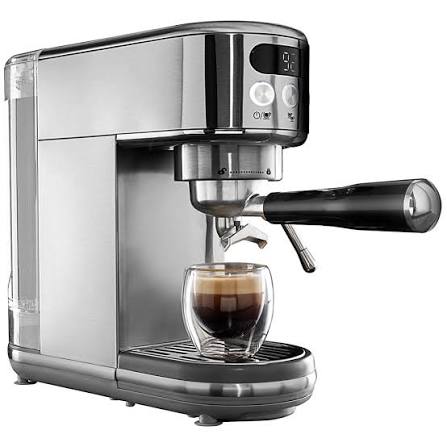
The Daewoo Barista Espresso Maker With Milk Frother is a compact, entry-friendly espresso machine designed for coffee lovers who want café-style drinks at home without the complexity of a commercial setup. It is built for making espresso, cappuccino, and latte drinks, with a milk frothing function that helps create creamy microfoam for layered beverages and simple latte art. For everyday use, it is especially appealing to beginners, apartment kitchens, and households that want a reliable espresso coffee maker with a smaller footprint and easy operation.
One of the main advantages of the Daewoo Barista Espresso Maker With Milk Frother is its balance of affordability and functionality. Depending on the seller and model variant, typical pricing can range from about £70 to £120, with availability through online retailers and selected appliance stores. Higher-spec versions may include a 20-bar pump, digital display, cup warmer, larger water tank, and stronger wattage for faster heat-up and more consistent extraction. This makes it a practical choice for users who want a budget espresso machine with milk frother features, but still expect solid performance for daily coffee routines.
The machine suits users who enjoy ground coffee and want a straightforward way to prepare espresso-based drinks at home. It is also a good fit for small families, students, remote workers, and anyone comparing a Daewoo espresso maker to other compact barista-style machines in the same category. For those searching for a home espresso machine with steam wand, the Daewoo Barista Espresso Maker With Milk Frother offers a user-friendly blend of convenience, style, and everyday value.
Specifications for Daewoo Barista Espresso Maker With Milk Frother
- Pressure system: Common variants include 3.5-bar models for simple espresso and cappuccino preparation, while newer barista-style versions may feature 15-bar or 20-bar pump pressure for stronger extraction and richer crema.
- Power rating: Typical output ranges from 800W on compact models to around 1350W–1465W on higher-performance versions for quicker heating and better steam output.
- Water tank capacity: Small-format versions may offer 0.24L for 4 cups, while upgraded models can include a 1.0L to 1.5L detachable water tank.
- Milk frothing: Steam wand or frothing nozzle for cappuccino, latte, and macchiato preparation.
- Controls: Options may include rotary knob control, illuminated switches, or digital display depending on the model variant.
- Safety features: Over-heat protection, over-pressure protection, and automatic pressure release on selected versions.
- Build and accessories: Stainless-steel filter, die-cast aluminum filter holder, removable drip tray, and cup warmer on some versions.
- Voltage: Usually 220-240V~ 50/60Hz for UK and similar markets.
Compared with ultra-basic home espresso machines, Daewoo’s barista-style models typically offer stronger pressure, more flexible drink options, and better frothing performance. Against premium brands, the main advantage is value for money rather than advanced programmability.
Setup Guide: How to Use the Daewoo Espresso Maker with Milk Frother
Start by placing the machine on a flat, stable, heat-resistant surface with enough space above the steam wand for safe milk frothing. Before first use, wash removable parts such as the drip tray, filter, and water tank with warm water and mild detergent, then dry thoroughly. Fill the tank with fresh water only and ensure the machine is unplugged while assembling accessories.
Insert the filter holder firmly, add ground coffee, and tamp lightly without compressing too tightly. Plug in the machine, switch it on, and allow it to heat fully before brewing. If your model includes a steam wand or steam nozzle, purge it briefly before frothing milk, then submerge the tip just below the milk surface and adjust the steam control slowly until the texture becomes smooth and creamy.
For best results, use cold milk in a metal jug and keep the wand clean after every use. Avoid overfilling the water tank or milk jug. Never touch hot surfaces, and do not operate the espresso maker without water in the tank. If the coffee flows too slowly, check whether the coffee grind is too fine or whether the filter basket is packed too tightly. If the steam output seems weak, descale the machine and confirm the steam wand is not blocked.
Troubleshooting Daewoo Barista Espresso Maker Problems
- Machine will not turn on: Check the power cable, wall socket, and on/off switch. Confirm the appliance is properly seated and not overloaded on the circuit.
- No espresso flow: Refill the tank, ensure the filter is fitted correctly, and use a medium grind instead of a very fine espresso powder.
- Weak coffee: Increase the coffee dose slightly, tamp evenly, and preheat the cup to maintain temperature.
- Steam wand not frothing: Clean the nozzle, purge trapped water, and use cold milk with enough fat content for better foam.
- Excess water in drip tray: This is often normal during pressure release, but unusually high amounts may indicate a loose filter holder or overfilling.
- Burning smell or overheating: Turn off the unit immediately, unplug it, and allow it to cool before checking for blocked vents or scale buildup.
Common Daewoo espresso maker error codes are not widely standardized across all variants, so many issues are indicated by lights, heat behavior, or pressure symptoms rather than numeric codes. Preventive maintenance includes descaling regularly, rinsing the steam wand after every froth cycle, and cleaning the filter basket after each brew. Warranty periods vary by retailer, but many sellers offer one- to two-year coverage. For support, use the retailer’s customer service channel or the official Daewoo appliance support route provided with the product documentation.
Pros and Cons of the Daewoo Barista Espresso Maker With Milk Frother
Pros
- Affordable entry into home espresso making, especially for beginners looking for a budget espresso machine with steam wand.
- Supports espresso, cappuccino, and latte drinks, making it versatile for everyday use.
- Milk frother functionality helps produce café-style foam for textured drinks.
- Compact design suits small kitchens and limited countertop spaces.
- Selected models include helpful upgrades such as a cup warmer, digital display, and larger water tank.
Cons
- Entry-level pressure on some versions is lower than premium espresso machines, which can affect crema quality.
- Steam wand performance may be less powerful than more expensive semi-automatic models.
- Plastic-heavy components on some variants may feel less durable than stainless-steel alternatives.
- Smaller water tanks on compact models require more frequent refilling.
Overall, the Daewoo Barista Espresso Maker With Milk Frother delivers strong value for money for casual coffee drinkers, though serious home baristas may prefer a higher-pressure alternative with more precise temperature control. It compares well with other affordable espresso coffee makers, especially if the priority is convenience rather than professional-level customization.
Customer Reviews: What Buyers Say About the Daewoo Espresso Coffee Maker
Customer feedback is generally positive, with many users giving the machine around 4 out of 5 stars for ease of use, compact size, and reliable milk frothing. Buyers often praise the ability to make cappuccinos and lattes at home without spending a lot on café drinks. One common comment is that the machine feels like a smart upgrade from basic pod-free coffee appliances, especially for households that enjoy ground coffee.
Frequent complaints focus on steam power, warm-up time, and the smaller capacity of entry-level versions. Some users also note that the best results come from dialing in the grind size and using fresh coffee. For most shoppers, the Daewoo Barista Espresso Maker With Milk Frother is recommended as a practical starter espresso machine, particularly for people who want an affordable, easy-to-clean coffee maker with milk frother support.
Faqs
How do I set up the daewoo Barista Espresso Maker With Milk Frother for the first time?
Why is my daewoo Barista Espresso Maker With Milk Frother not producing enough pressure for espresso shots?
How do I use the milk frother on the daewoo Barista Espresso Maker With Milk Frother for creamy cappuccino foam?
What type of coffee grind works best with the daewoo Barista Espresso Maker With Milk Frother?
What should I do if the daewoo Barista Espresso Maker With Milk Frother is leaking water?
How do I clean and descale the daewoo Barista Espresso Maker With Milk Frother safely?
Can I use the daewoo Barista Espresso Maker With Milk Frother with almond milk, oat milk, or other dairy alternatives?
How can I improve espresso taste and consistency on the daewoo Barista Espresso Maker With Milk Frother?
More daewoo manuals
- Daewoo 2-Slice Toaster SDA1674 User Manual
- How to Use: Daewoo 5 in 1 Wireless Charger User Manual
- Daewoo SDA1550 Deep Fat Fryer User Manual
- Setup & Features: Daewoo Espresso Maker With Milk Frother User Manual
- Setup: Daewoo COL1319 Portable Air Conditioner User Manual
- Usage & Setup: Daewoo Air Fryer SDA1861 User Manual
Leave a Comment