
Fisher&paykel DD60 DishDrawer User Manual
Content
Fisher & Paykel DD60 DishDrawer Product Manual and Buyer Guide
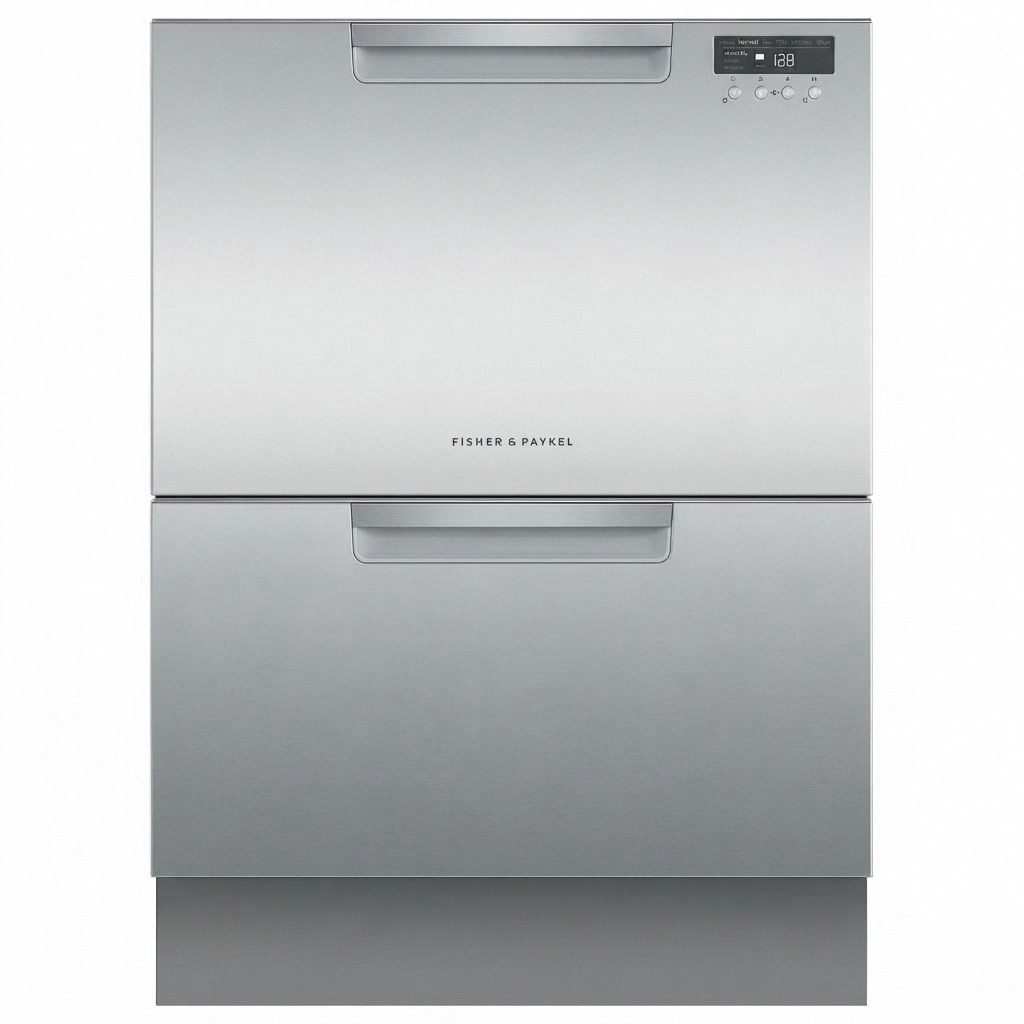
The Fisher & Paykel DD60 DishDrawer is a premium drawer-style dishwasher designed to make everyday dishwashing easier, quieter, and more space-efficient than many traditional front-opening models. Instead of a single large tub, it uses one or two pull-out drawers, letting you wash smaller loads more efficiently or run separate cycles for different dish types. This makes the Fisher & Paykel DD60 DishDrawer especially appealing to apartments, compact kitchens, busy families, and homeowners who want flexible loading without sacrificing performance.
One of its biggest strengths is usability. The drawer format reduces bending, improves access, and allows you to wash dishes in smaller batches, which can help save water and energy over time. Depending on the configuration, the DD60 series is available in single and double-drawer layouts, with multiple front-panel styles and integrated options to match modern kitchen designs. It is also known for quiet operation, practical wash programs, and dependable cleaning performance for everyday plates, glasses, cookware, and cutlery.
Typical pricing varies by drawer configuration, finish, and market, but the Fisher & Paykel DD60 DishDrawer usually sits in the premium appliance range. In many regions, buyers can expect an estimated price range of roughly $900 to $2,000+ USD equivalent, with double-drawer and integrated models costing more. Availability is generally strong through major appliance retailers, kitchen specialists, and authorized Fisher & Paykel dealers, though exact models differ by country and cabinet type.
Specifications for Fisher & Paykel DD60 DishDrawer
- Product type: Drawer-style dishwasher with single or double-drawer configurations.
- Dimensions: Common DD60 installation width is about 599 mm, with standard cavity widths around 600 mm.
- Height range: Varies by model and installation type, with many versions around 410 mm to 880 mm overall height.
- Depth: Typically around 553 mm to 582 mm depending on model and panel style.
- Water pressure: Designed for low to high household pressure ranges, typically from 0.03 MPa up to 1 MPa.
- Power: Standard 220–240V, 50Hz electrical supply in many markets, with about 4.2A service on several models.
- Wash performance: Tested to recognized wash and dry performance standards in supported regions.
- Capacity: Suitable for everyday loads, with plates up to around 290 mm on some single-drawer versions.
- Noise: Quiet operation is a major selling point, with some comparable models in the range operating around the mid-40 dBA level.
- Cycles: Common wash modes include Eco, Fast, Delicate, and Rinse, depending on model.
- Efficiency: Lower water usage than many full-size conventional dishwashers for small or partial loads.
Compared with standard built-in dishwashers, the DD60 series offers better load flexibility and easier access, while full-size dishwashers usually provide higher single-cycle capacity. Compared with other compact dishwashers, the fisher&paykel DD60 DishDrawer stands out for its drawer ergonomics, premium fit and finish, and adaptable kitchen integration.
How to Set Up Fisher & Paykel DD60 DishDrawer
Before installation, confirm that the cabinet opening matches the required dimensions for your specific DD60 model, since integrated, single, and double-drawer versions differ. Make sure the cavity is level, the plumbing supply is compatible, and the electrical outlet is correctly grounded. For safety, always turn off water and power at the source before starting any setup work.
- Measure the cabinet cavity, including width, height, and depth, against the model’s installation guide.
- Position the dishwasher carefully and ensure the chassis sits level to avoid drainage and alignment issues.
- Connect the water inlet hose securely and confirm that the supply pressure is within the recommended range.
- Attach the drain hose properly to prevent leaks, kinks, or backflow problems.
- Connect the power supply only after plumbing checks are complete.
- Install the front panel or handle kit if your model uses an integrated or custom-panel design.
- Run an empty test cycle to check filling, washing, draining, and drying performance.
Configuration options may include rinse aid adjustment, wash cycle selection, and option settings for drying or sound control depending on the model variant. If the drawer does not close smoothly, recheck leveling and installation clearances. Never force the drawer shut, and never operate the dishwasher without the filter plate, spray arm, and other required components in place.
Troubleshooting Fisher & Paykel DD60 DishDrawer Problems
If your Fisher & Paykel DD60 DishDrawer is not cleaning well, the most common causes are blocked spray arms, a clogged filter, overloading, or using the wrong detergent quantity. Start by cleaning the filter system, checking that the spray arm rotates freely, and confirming that dishes are loaded without blocking water flow.
- Won’t start: Check power, child lock settings, drawer closure, and control panel response.
- Water remains in the drawer: Inspect the drain hose for clogs, kinks, or installation errors.
- Cloudy dishes: Increase rinse aid, use the correct detergent, and verify water hardness settings if available.
- Excess noise: Make sure dishes are not touching the spray arm and that the unit is level.
- Poor drying: Use the correct cycle, avoid overcrowding, and check rinse aid levels.
- Error alerts: Follow the model’s display or indicator sequence, then reset the unit after checking water supply, drainage, and filters.
Preventive maintenance helps avoid most issues. Clean the filter regularly, wipe door seals, inspect hoses for wear, and avoid overfilling the drawers. If the problem continues, use the model number from the product label when contacting support. Warranty terms vary by region, but Fisher & Paykel service support and authorized dealers can usually assist with diagnostics, replacement parts, and repair booking.
For help, contact your local Fisher & Paykel customer support center, authorized service agent, or appliance retailer. Keep your purchase receipt, serial number, and model code ready when requesting support.
Pros and Cons of the Fisher & Paykel DD60 DishDrawer
Pros
- Excellent ergonomics: Drawer loading reduces bending and makes it easier to unload dishes.
- Flexible washing: Great for half loads, mixed loads, and smaller daily dishwashing needs.
- Premium design: The drawer format blends well with modern kitchens and integrated cabinetry.
- Quiet operation: A strong choice for open-plan homes and apartments.
- Efficient for small loads: Helps reduce water and energy waste compared with running a large dishwasher half empty.
Cons
- Higher price: More expensive than many standard dishwashers.
- Smaller single-load capacity: Not ideal for very large families or heavy entertaining every day.
- Installation complexity: Integrated versions require precise cabinet planning.
- Replacement parts and servicing: Premium appliances can cost more to maintain.
For value for money, the Fisher & Paykel DD60 DishDrawer makes the most sense if you want convenience, quiet operation, and compact flexibility rather than maximum load size. Compared with standard Bosch, Whirlpool, or Samsung built-in dishwashers, the DD60 is often more ergonomic and design-focused, though those alternatives may offer larger tub capacity for lower upfront cost.
Customer Reviews for Fisher & Paykel DD60 DishDrawer
Customer feedback for the Fisher & Paykel DD60 DishDrawer is generally positive, with many users praising the drawer design, low noise, and strong everyday cleaning performance. A common rating pattern is around 4.4 out of 5 stars, especially among buyers who value kitchen convenience and premium build quality.
Typical praise includes comments like: “So easy to load and unload,” “Perfect for our small kitchen,” and “Much quieter than our old dishwasher.” Common complaints usually focus on the premium price, limited capacity for large pots in some models, and occasional frustration with installation if the cabinetry is not planned correctly.
- Best for: Couples, small families, apartments, and anyone who runs frequent smaller loads.
- Less ideal for: Large households that need maximum capacity from one wash cycle.
- Buyer recommendation: Choose it if ergonomics, quiet performance, and flexible loading matter more than lowest price.
Overall, the Fisher & Paykel DD60 DishDrawer is widely recommended by users who want a premium drawer dishwasher that looks stylish and performs consistently in day-to-day use.
Faqs
How do I set up the fisher paykel DD60 DishDrawer for the first time?
Why is my fisher paykel DD60 DishDrawer beeping but not starting?
What does the spray arm blocked or filter cleaning indicator mean on the fisher paykel DD60 DishDrawer?
Can I run two different wash cycles at the same time on a double fisher paykel DD60 DishDrawer?
What dishes fit best in the fisher paykel DD60 DishDrawer, and what should I avoid loading?
How do I improve drying performance on the fisher paykel DD60 DishDrawer?
What water pressure and installation requirements does the fisher paykel DD60 DishDrawer need?
How often should I clean and maintain the fisher paykel DD60 DishDrawer?
More fisher&paykel manuals
- Fisher&paykel 0B24 Built-In Oven User Manual
- Fisher&paykel CI152DTT Modular Cooktop User Manual
- Fisher&paykel OB24SDPT Touchscreen Built-In Oven User Manual
- Fisher&paykel Aerotech Oven OB30 User Manual
- Fisher&paykel AeroCare Electric Dryer DE7027P1 User Manual
- Fisher&paykel RIV3-915 Professional Freestanding Cooker User Manual
Leave a Comment