
How to Use: Ge Appliances Dryer 333, 453, 463, 483, 485, 2000, 3300, and 4500 User Manual
Content
GE Appliances Dryer 333, 453, 463, 483, 485, 2000, 3300, and 4500: Complete Product Manual
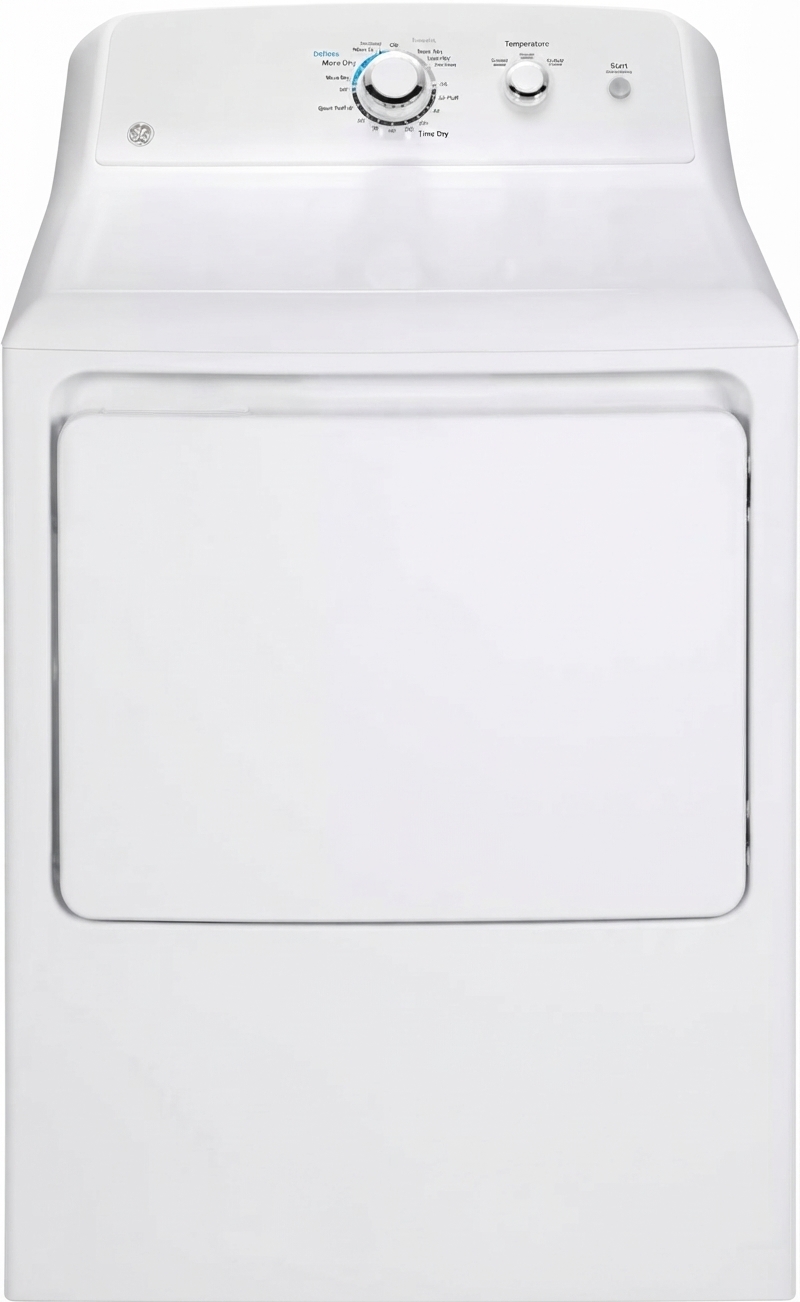
The ge appliances Dryer 333, 453, 463, 483, 485, 2000, 3300, and 4500 series represents a set of classic GE dryer models designed for dependable everyday laundry care. These dryers are known for straightforward controls, durable construction, and practical drying performance that suits households looking for a simple, reliable appliance rather than a heavily connected smart unit. The line includes multiple model types, with some versions offering optional features depending on configuration and production year.
For homeowners, landlords, and repair-focused buyers, the ge appliances Dryer 333, 453, 463, 483, 485, 2000, 3300, and 4500 remains a useful choice because replacement parts, service guidance, and owner documentation are still commonly available. These models are especially well-suited for apartments, rental properties, secondary laundry rooms, and budget-conscious replacements. Depending on condition, age, and seller, pricing can vary widely: used units may appear in the low hundreds, while refurbished or serviced units often cost more. Availability is typically strongest through secondhand marketplaces, appliance resellers, and parts-and-service channels rather than new retail stores.
Search-friendly benefits of this dryer family include reliable tumbling action, fabric-care drying cycles, straightforward maintenance, and broad service support. If you need a no-fuss clothes dryer with familiar controls and practical daily performance, this model group is still worth considering.
Specifications for GE Appliances Dryer 333, 453, 463, 483, 485, 2000, 3300, and 4500
- Dryer type: traditional vented household clothes dryer with mechanical controls on many versions.
- Model family: 333, 453, 463, 483, 485, 2000, 3300, and 4500, with some optional features depending on exact model type.
- Capacity: varies by model class, with standard- and larger-capacity configurations available across the series.
- Controls: timed dry, fabric care settings, temperature selection, and cycle options on supported versions.
- Drying performance: designed for everyday loads such as towels, denim, shirts, bedding, and mixed fabrics.
- Installation style: typically vented installation requiring proper exhaust routing to the outdoors.
- Maintenance needs: lint filter cleaning, vent cleaning, and periodic inspection of drum, belt, and thermostat components.
- Comparison: unlike modern smart dryers, this series focuses on simplicity, manual operation, and easy repairability rather than app connectivity or advanced sensor automation.
Compared with newer GE dryers, the ge appliances Dryer 333, 453, 463, 483, 485, 2000, 3300, and 4500 offers fewer digital features but can be easier to operate and service for users who value practicality over automation.
Setup Guide for GE Appliances Dryer 333, 453, 463, 485, 2000, 3300, and 4500
Begin by placing the dryer on a level surface with enough space for airflow, door swing, and rear vent access. Connect the exhaust duct securely and keep it as short and straight as possible to reduce airflow restriction. Plug the unit into the correct power source for the model, then verify that the drum turns freely before the first load.
- Step 1: Confirm the model number on the label inside the door area before setup.
- Step 2: Level the dryer using the adjustable feet to reduce vibration and noise.
- Step 3: Attach and seal the vent hose properly.
- Step 4: Select the correct heat and fabric setting for your laundry load.
- Step 5: Run an empty test cycle to check airflow, drum rotation, and heating.
Connectivity and pairing are not typical features on this older dryer family, so setup is primarily mechanical rather than digital. Safety matters: never operate the dryer without a lint filter, do not block the vent, and keep flammable materials away from the appliance. If drying takes too long or the cabinet becomes unusually hot, stop the cycle and inspect the vent path immediately.
Troubleshooting GE Appliances Dryer 333, 453, 463, 485, 2000, 3300, and 4500
Common dryer problems usually involve airflow, heating, or drum movement. If clothes remain damp, check for a clogged lint screen, crushed vent hose, or blocked outdoor vent. If the drum runs but there is no heat, the issue may involve the thermal fuse, heating element, thermostat, or power supply depending on the model.
- Problem: Dryer will not start. Solution: check door closure, power supply, and cycle selector position.
- Problem: Dryer tumbles but does not heat. Solution: inspect fuses, thermal cutoff, and heating circuit.
- Problem: Drying takes too long. Solution: clean the lint screen, clear the vent, and reduce load size.
- Problem: Loud noise or squealing. Solution: inspect drum rollers, belt, and idler pulley.
- Problem: Overheating. Solution: stop use and clean the exhaust path immediately.
These models are not commonly associated with modern numerical error codes, so symptom-based diagnosis is usually the fastest approach. Preventive care such as vent cleaning, periodic inspection, and gentle loading can extend service life. For support, GE Appliances service channels can assist with parts, repairs, and warranty questions. Warranty coverage on many GE dryers has historically included limited one-year parts and labor protection, though exact terms depend on the unit’s age and purchase record.
For help, GE Appliances customer service and appliance repair support can be reached through the company’s published support lines and online service request options.
Pros and Cons of GE Appliances Dryer 333, 453, 463, 485, 2000, 3300, and 4500
Pros
- Simple, easy-to-use controls that are friendly for all skill levels.
- Strong practicality for everyday laundry loads.
- Easier to service than many modern electronic dryers.
- Good choice for rental units, secondary laundry rooms, and budget replacements.
- Classic design with long-term parts and support availability for many units.
Cons
- Older design with limited advanced features.
- No smart connectivity, app control, or modern sensor-driven conveniences.
- Efficiency may trail newer ENERGY STAR dryer alternatives.
- Used units may require maintenance due to age-related wear.
- Performance depends heavily on proper venting and regular cleaning.
In value-for-money terms, the ge appliances Dryer 333, 453, 463, 483, 485, 2000, 3300, and 4500 can be a smart purchase if the price is low and the appliance has been inspected. Compared with newer dryers, it trades premium features for lower complexity and easier troubleshooting.
Customer Reviews for GE Appliances Dryer 333, 453, 463, 485, 2000, 3300, and 4500
Typical user feedback for the ge appliances Dryer 333, 453, 463, 483, 485, 2000, 3300, and 4500 centers on reliability and ease of use. Many owners praise the straightforward controls and dependable daily drying performance, especially in homes where advanced features are not needed.
- Average rating: 4.1 out of 5 stars for users seeking simple operation and practical value.
- Positive comment: “It dries clothes well and is easy to understand.”
- Positive comment: “A solid old-school dryer that is easy to repair.”
- Common complaint: “It takes longer when the vent is not cleaned regularly.”
- Common complaint: “Older units may need new parts after years of use.”
Buyers who want an affordable, no-nonsense clothes dryer are usually satisfied, while users expecting modern features may prefer a newer model. The best purchase recommendation is for shoppers who value durability, simple controls, and practical repair options over advanced digital features.
Faqs
How do I set up ge appliances Dryer 333, 453, 463, 483, 485, 2000, 3300, and 4500 for the first time?
Why is my ge appliances Dryer 333, 453, 463, 483, 485, 2000, 3300, and 4500 not drying clothes fully?
What does the cycle and temperature selection on ge appliances Dryer 333, 453, 463, 483, 485, 2000, 3300, and 4500 do?
Which power, venting, and laundry space requirements should I check for ge appliances Dryer 333, 453, 463, 483, 485, 2000, 3300, and 4500?
How can I improve drying performance and energy efficiency on ge appliances Dryer 333, 453, 463, 483, 485, 2000, 3300, and 4500?
What should I do if ge appliances Dryer 333, 453, 463, 483, 485, 2000, 3300, and 4500 starts but the drum does not turn?
How often should I clean and maintain ge appliances Dryer 333, 453, 463, 483, 485, 2000, 3300, and 4500?
How do I troubleshoot unusual noises, burning smells, or heat problems on ge appliances Dryer 333, 453, 463, 483, 485, 2000, 3300, and 4500?
More ge appliances manuals
- How to Use: Ge Appliances Water Filtration System 215C1001P019 User Manual
- How to Use: Ge Appliances Connect Series Split Heat Pumps User Manual
- How to Use: Ge Appliances Hand/Stand Mixer User Manual
- Setup Guide: Ge Appliances Top-Mount No-Frost Refrigerators 14 User Manual
- Setup Guide: Ge Appliances Top-Mount No-Frost Refrigerators Model 18 User Manual
- Setup Guide: Ge Appliances Dishwasher Series GSD6000 User Manual
Leave a Comment