
Setup : Ge Appliances Reverse Osmosis Filteration System GXRM10RBL User Manual
Content
GE Appliances Reverse Osmosis Filtration System GXRM10RBL: Complete Product Manual and Review
Introduction
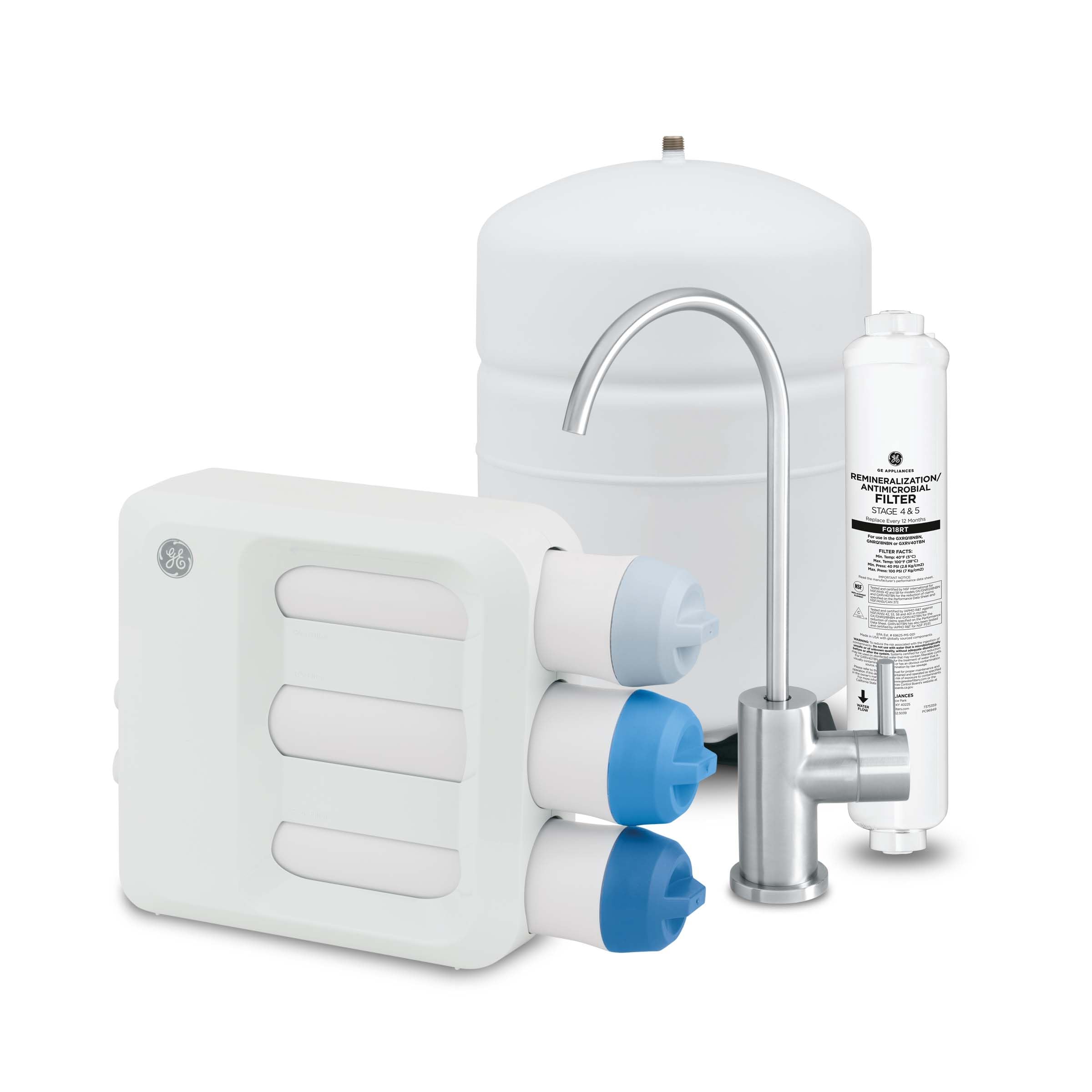
The GE Appliances Reverse Osmosis Filtration System GXRM10RBL is a compact under-sink water purification system designed to improve drinking water quality for everyday households. Built for kitchens that need reliable contaminant reduction without taking up much space, this reverse osmosis water filter is a practical choice for families, apartment dwellers, and homeowners looking for cleaner water for drinking, cooking, coffee, and ice making. The system uses a multi-stage filtration process with a reverse osmosis membrane and carbon filtration to reduce common impurities such as lead, arsenic, chromium VI, cysts, and dissolved solids.
One of the biggest advantages of the ge appliances Reverse Osmosis Filteration System GXRM10RBL is its strong balance of performance and size. With a slim under-sink footprint, electronic timer monitoring, LED indicators, and a rated filtered water output of about 9.8 gallons per day, it suits households that want dependable daily filtration rather than high-volume commercial use. The system is also built to handle feed water pressures from 40 to 125 psi and water temperatures from 40 to 100°F, which makes it suitable for many standard residential plumbing setups. Replacement filters are straightforward, with a typical service interval of 6 months or 900 gallons for the main filter components.
Availability is generally strongest through appliance parts retailers, home improvement sellers, and online marketplaces. Estimated pricing can vary widely depending on seller, condition, and whether the purchase includes the full system or replacement components, but a typical range is about $200 to $300 for a new unit, while some marketplace listings may appear lower or higher. For buyers comparing reverse osmosis drinking water systems, the GXRM10RBL remains appealing because it offers proven filtration performance, simple operation, and the trusted GE Appliances name.
Specifications: GE GXRM10RBL Reverse Osmosis System Details
- Product type: Under-sink reverse osmosis drinking water filtration system
- Filtration stages: Multi-stage RO system with sediment/carbon prefiltration and RO membrane
- Contaminant reduction: Lead, arsenic, chromium VI, cysts, radium, cadmium, copper, barium, turbidity, and total dissolved solids
- Performance: TDS reduction up to 95%, cyst reduction 99.99%, lead reduction 96%
- Water output: Approximately 9.8 gallons per day
- Storage tank capacity: 4 gallons theoretical; about 2.05 gallons tested capacity under NSF conditions
- Filter life: 6 months or 900 gallons
- Water pressure range: 40 to 125 psi
- Water temperature range: 40 to 100°F
- pH range: 4 to 10
- Maximum hardness: 10 grains
- Maximum TDS: 2000 ppm
- Connections: 1/4-inch inlet and 3/8-inch outlet
- Dimensions: 15 inches high, 14 inches wide, 5.5 inches deep
- Weight: About 21 pounds net
- Monitor: Electronic timer with LED indicators
Compared with many entry-level under-sink RO systems, the ge appliances Reverse Osmosis Filteration System GXRM10RBL stands out for its strong contaminant reduction claims and compact cabinet-friendly design. It is not aimed at high-capacity households needing rapid water delivery, but it performs well for everyday filtered drinking water needs.
Setup Guide: How to Install and Use the GXRM10RBL
Before installation, confirm that the shutoff valve under the sink is accessible and that the available water pressure falls within the recommended range. Turn off the cold-water supply, gather the supplied or compatible tubing, and make sure you have the necessary tools, including a wrench, drill if needed, and a bucket for residual water. Because this is an under-sink reverse osmosis system, proper placement is important: the tank should sit upright in the cabinet and the filter head should be mounted securely where it can be reached for future filter changes.
- Step 1: Turn off the water supply and open the faucet to release pressure.
- Step 2: Mount the filter assembly inside the cabinet in a dry, accessible location.
- Step 3: Connect the saddle valve or inlet line to the cold-water supply.
- Step 4: Attach the tubing to the tank, membrane housing, and faucet outlet according to the flow path.
- Step 5: Install the RO faucet at the sink or countertop opening.
- Step 6: Flush the system thoroughly before drinking from it.
- Step 7: Check for leaks, then reset the electronic timer indicator.
For best results, flush the system as directed after installation and after every filter replacement. Avoid installing the unit in freezing environments or where tubing could kink. If water flow seems low, check for improper tubing routing, air in the tank, or a partially closed feed valve. If the indicator light does not reset, verify the battery or timer function. Safety precautions include using only cold water supply lines, tightening fittings without over-torquing, and avoiding contact with sharp cabinet edges during setup.
Pros & Cons of the GE Appliances Reverse Osmosis Filteration System GXRM10RBL
Pros
- Excellent contaminant reduction for common household concerns such as lead, arsenic, and cysts.
- Compact under-sink design works well in standard kitchen cabinets.
- LED indicators and electronic timer make maintenance easier.
- Reasonable daily output for drinking and cooking water.
- Replacement schedule is simple and predictable, helping with routine upkeep.
Cons
- Water production is modest compared with higher-capacity reverse osmosis systems.
- Storage tank capacity is smaller than some premium alternatives.
- Installation may be more involved than basic pitcher or faucet filters.
- Some buyers may need to source replacement parts separately, which can add cost over time.
- Water waste is higher than non-RO filtration options, which is typical for this technology.
In terms of value for money, the ge appliances Reverse Osmosis Filteration System GXRM10RBL is a strong choice for users who prioritize water quality over speed or large-volume output. It compares favorably with many similarly sized under-sink RO systems, especially when reliable contaminant reduction and compact installation matter most.
Customer Reviews: What Buyers Say About GXRM10RBL
Customer feedback for the GXRM10RBL is generally positive, with many users rating it around 4 out of 5 stars for filtration performance and day-to-day reliability. Buyers frequently praise the taste improvement, noting that water tastes cleaner and works better for coffee, tea, and cooking. A common positive comment is that the system fits neatly under the sink and is easier to live with than bulky purification units.
Typical complaints focus on slower water output, replacement filter cost, and the effort required for first-time installation. Some users also mention that they would prefer a larger tank for faster refill times. One common testimonial theme is that the system “makes tap water taste like bottled water,” while another recurring note is that maintenance is simple once the initial setup is complete. For shoppers considering the ge appliances Reverse Osmosis Filteration System GXRM10RBL, it is a solid recommendation for households that want dependable filtration and can accept the tradeoff of moderate flow speed.
Faqs
How do I set up the ge appliances Reverse Osmosis Filteration System GXRM10RBL for the first time under a sink installation?
What should I check if the ge appliances Reverse Osmosis Filteration System GXRM10RBL is producing water too slowly?
Which filters and replacement schedule does the ge appliances Reverse Osmosis Filteration System GXRM10RBL typically need for best performance?
Why does the ge appliances Reverse Osmosis Filteration System GXRM10RBL sometimes make noise after installation?
Is the ge appliances Reverse Osmosis Filteration System GXRM10RBL compatible with most kitchen faucets and under-sink plumbing setups?
How can I improve water taste and odor with the ge appliances Reverse Osmosis Filteration System GXRM10RBL?
What is the best way to troubleshoot leaks in the ge appliances Reverse Osmosis Filteration System GXRM10RBL?
How do I maintain the ge appliances Reverse Osmosis Filteration System GXRM10RBL to keep it working efficiently year-round?
More ge appliances manuals
- Setup Guide: Ge Appliances Dishwasher Convertible Model GSC410 User Manual
- Setup Guide: Ge Appliances Bottom Freezer Refrigerators User Manual
- Setup Guide: Ge Appliances Dishwasher Built-in Model GSD820P User Manual
- Setup Guide: Ge Appliances Dishwasher GSD750 User Manual
- Setup Guide: Ge Appliances Air Conditioner AQP05 User Manual
- Setup Guide: Ge Appliances Dishwashers ADW1000 User Manual
Leave a Comment