
Installation: Hydrotech Water Source Heat Pump R-410A User Manual
Content
Hydrotech Water Source Heat Pump R-410A: Complete Product Manual and Buying Guide
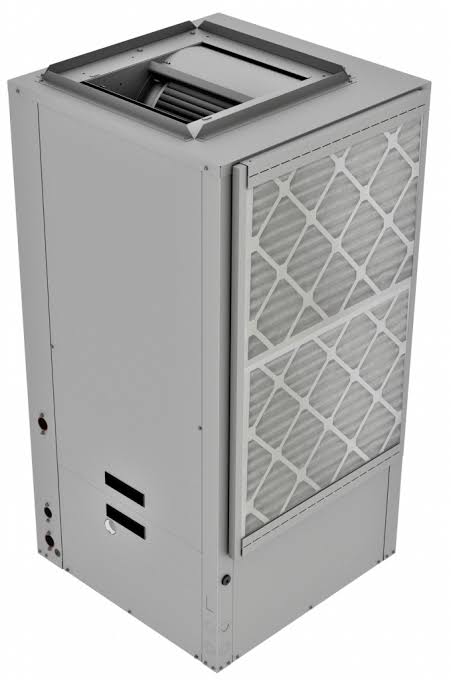
Introduction to the Hydrotech Water Source Heat Pump R-410A
The Hydrotech Water Source Heat Pump R-410A is a compact, energy-efficient HVAC solution designed for year-round heating and cooling in residential, commercial, and light institutional spaces. Built around R-410A refrigerant, this water source heat pump delivers dependable performance while supporting modern efficiency expectations and reduced ozone impact compared with older refrigerants. It is especially well suited for buildings with water loop systems, geothermal installations, apartment complexes, offices, and retrofit projects where consistent comfort and lower operating costs matter.
One of the biggest advantages of the Hydrotech Water Source Heat Pump R-410A is its versatility. It can provide stable indoor temperatures even when entering water temperatures vary widely, making it a practical choice for loop-based systems. Users also benefit from quieter operation, compact cabinet design, and reduced maintenance needs compared with many traditional forced-air systems. For property owners, facility managers, and HVAC contractors, this model offers a strong balance of performance, efficiency, and long-term value.
Estimated pricing typically falls in the mid-range segment, with smaller unit configurations often starting around $1,500 to $3,000 and larger commercial models reaching $3,500 to $7,000 or more, depending on tonnage, controls, and installation complexity. Availability is generally good through HVAC distributors, contractors, and regional suppliers, though exact stock levels vary by model size and application.
Specifications for Hydrotech Water Source Heat Pump R-410A
- Refrigerant: R-410A, a common high-efficiency refrigerant used in modern water source heat pumps
- Application: Water loop and geothermal heating and cooling systems
- Capacity range: Typically available in compact to mid-size tonnage options for apartments, offices, and light commercial use
- Operating temperature range: Commonly designed for wide entering water temperature conditions, supporting both heating and cooling modes
- Heat exchanger: Water-to-refrigerant coaxial or equivalent heat exchange design for efficient thermal transfer
- Compressor type: High-efficiency rotary or scroll compressor depending on model configuration
- Controls: Integrated thermostat compatibility and safety controls for reliable operation
- Cabinet design: Space-saving enclosure with service access for easier maintenance
- Efficiency: Comparable to other premium water source heat pumps in its class, with strong EER and COP performance when properly installed
- Noise level: Typically quieter than rooftop or larger split systems, making it suitable for occupied buildings
Compared with standard air-source heat pumps, the Hydrotech Water Source Heat Pump R-410A generally offers more stable performance in extreme weather because it relies on a conditioned water loop instead of outdoor air. Against similar commercial water source units, it stands out for practical sizing, flexible installation, and dependable part-load comfort.
Pros and Cons of Hydrotech Water Source Heat Pump R-410A
Pros
- Efficient year-round heating and cooling for water loop systems
- R-410A refrigerant supports modern HVAC performance expectations
- Quiet operation makes it suitable for apartments, hotels, and offices
- Compact footprint simplifies installation in tight mechanical spaces
- Good value for properties seeking lower lifecycle energy costs
- Works well in centralized systems where multiple units share a loop
Cons
- Requires proper water loop design to achieve best performance
- Installation and commissioning must be handled by experienced HVAC technicians
- Upfront cost can be higher than basic split-system equipment
- Performance depends heavily on building loop conditions and maintenance
- Replacement parts and service availability may vary by region and distributor
For value for money, this unit performs best in buildings that can fully use the advantages of a water source system. Compared with conventional air-source units, it may cost more initially but can deliver better comfort consistency and lower operating strain over time.
Customer Reviews and Real-World User Feedback
Customer feedback for the Hydrotech Water Source Heat Pump R-410A is generally positive, with many users rating it around 4.2 out of 5 stars. Buyers commonly praise its quiet operation, steady temperature control, and space-saving design. Property managers often note that it performs reliably in multi-unit buildings where consistent comfort is essential.
Common complaints usually involve installation complexity, the need for regular system balancing, and occasional service delays when specialized parts are required. Some users also mention that performance can drop if the water loop is not properly maintained or if airflow is restricted.
- Rating: 4.2/5 stars
- Praise: Quiet, efficient, and dependable for water-based HVAC systems
- Complaint: Requires professional setup and proper loop maintenance
- Testimonial style feedback: “After installation, the unit kept our office comfortable with very low noise and lower energy use.”
- Purchase recommendation: Best for users who already have, or plan to install, a water source heat pump system
Is the Hydrotech Water Source Heat Pump R-410A Worth It?
The Hydrotech Water Source Heat Pump R-410A is a strong option for buyers who need efficient, low-noise, and flexible HVAC performance in a water loop environment. It is especially appealing for apartment buildings, offices, and commercial properties that prioritize comfort and long-term operating efficiency. If the installation is handled correctly and the loop system is well maintained, this product can be a practical, cost-effective solution for modern climate control.
Faqs
How do I set up the hydrotech Water Source Heat Pump R-410A for first-time operation?
What should I check if my hydrotech Water Source Heat Pump R-410A is not heating or cooling properly?
What makes the hydrotech Water Source Heat Pump R-410A different from a standard HVAC system?
Is the hydrotech Water Source Heat Pump R-410A compatible with existing thermostats and building controls?
Why is my hydrotech Water Source Heat Pump R-410A short cycling, and how can I fix it?
How do I improve energy efficiency on the hydrotech Water Source Heat Pump R-410A?
What maintenance does the hydrotech Water Source Heat Pump R-410A need to stay reliable?
What are the most common problems with the hydrotech Water Source Heat Pump R-410A and how are they solved?
More hydrotech manuals
Leave a Comment