
Icp OLR112A16A Oil Fired Furnace User Manual
Content
icp OLR112A16A Oil-Fired Furnace: Complete Product Manual and Buyer Guide
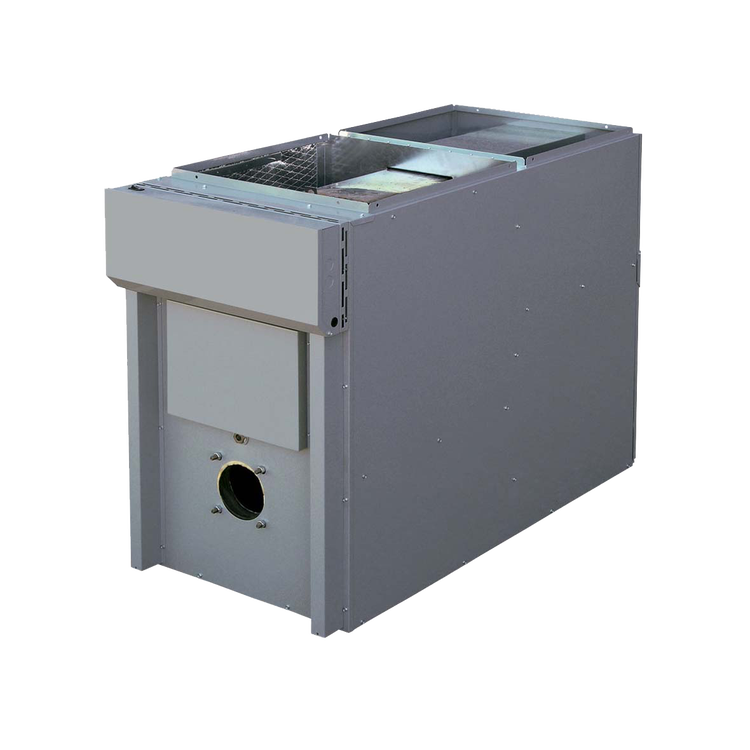
The icp OLR112A16A Oil Fired Furnace is a low-boy residential oil furnace designed for dependable whole-home heating, especially in homes that need a compact footprint and high airflow capacity. Built for oil-fired comfort systems, it is commonly used in basements, utility rooms, and retrofit installations where vertical space is limited but strong heating performance is still required. With an input range of about 95,200 to 112,000 BTU/h and an AFUE rating around 86% to 88%, this model balances solid efficiency with practical heating output for medium to larger homes.
One of the main advantages of the icp OLR112A16A Oil Fired Furnace is its low-profile cabinet design, which makes installation easier in tight mechanical spaces. It is also sized for 4-ton cooling compatibility, allowing it to integrate into a ducted HVAC system that supports both heating and air conditioning. Homeowners often choose this furnace for reliable oil heat, durable construction, and compatibility with standard 115V single-phase electrical service.
This furnace is a good fit for homeowners in colder regions, HVAC contractors replacing older oil units, and property owners who want a compact oil furnace with proven heating capacity. Typical pricing varies by seller, configuration, and whether a burner is included, but the unit is often seen in the mid-to-high price range for residential oil furnaces, with retail listings commonly landing around the $4,000 to $5,000 range before installation. Availability is generally through HVAC distributors, equipment wholesalers, and contractor supply channels.
Technical Specifications for icp OLR112A16A Oil Fired Furnace
- Fuel type: No. 1 or No. 2 heating oil
- Input range: 95,200 to 112,000 BTU/h
- Firing rate: 0.68 to 0.80 USGPH
- Heating capacity: Approximately 81,100 to 94,100 BTU/h
- AFUE efficiency: About 86.4% to 88.1%
- Cooling compatibility: 4-ton system support
- Electrical requirements: 115V, 60Hz, single-phase
- Typical dimensions: 33-3/4 in. H x 21 in. W x 48 in. D
- Temperature rise range: 30°C to 42°C / 55°F to 75°F
- Airflow performance: Designed for strong ducted airflow in low-boy installations
Compared with smaller oil furnaces, the icp OLR112A16A Oil Fired Furnace offers higher output and better cooling-system compatibility. Compared with larger oil furnace models, it is easier to install in low-clearance spaces and typically suits average-to-large homes more efficiently. It is a strong middle-ground option for users who want a compact cabinet without sacrificing heat delivery.
Troubleshooting icp OLR112A16A Oil Fired Furnace Problems
Common issues with oil-fired furnaces usually involve ignition, airflow, fuel delivery, or thermostat communication. If the furnace does not start, check the thermostat setting, electrical power, and service switch first. If the burner starts and stops repeatedly, the likely causes include a dirty oil nozzle, clogged filter, air in the fuel line, or a weak flame sensor. Weak heat output often points to restricted airflow, a dirty blower wheel, or blocked ductwork.
- No heat: Confirm power, thermostat demand, and burner reset condition.
- Burner lockout: Inspect fuel supply, oil filter, nozzle, and ignition components.
- Short cycling: Check airflow, fan settings, and thermostat location.
- Smoke or soot: Clean burner assembly and verify combustion settings.
- Blower runs constantly: Review fan control and thermostat wiring.
Error codes on oil furnaces vary by burner control and accessory board, so the exact code should be confirmed on the burner label or control module. Preventive maintenance should include annual cleaning, filter replacement, nozzle inspection, combustion testing, and oil tank checks. Warranty coverage and support depend on the seller, installer, and product registration status, so owners should contact the installing HVAC dealer or the manufacturer’s residential support channel for parts and service assistance.
Pros and Cons of icp OLR112A16A Oil Fired Furnace
Pros
- Compact low-boy design fits tight mechanical spaces well.
- Strong heating output makes it suitable for medium to larger homes.
- Approximate 86% to 88% AFUE offers respectable oil-heating efficiency.
- 4-ton cooling compatibility supports full HVAC system integration.
- Uses standard 115V single-phase power for easier installation.
Cons
- Oil heat requires regular maintenance, including nozzle and filter service.
- Operating costs can be higher than gas or heat pump alternatives.
- Installation usually requires an experienced HVAC professional.
- Availability may be limited compared with common gas furnace models.
- Performance depends heavily on combustion tuning and annual service.
For value for money, the icp OLR112A16A Oil Fired Furnace is strongest in homes that already use oil heat and need a reliable replacement unit. Compared with many gas furnaces, it is less economical to operate, but it remains a practical choice where oil is the preferred or only available fuel source.
Customer Reviews of icp OLR112A16A Oil Fired Furnace
Users often rate this furnace around 4 out of 5 stars for dependable heating, compact design, and solid output in cold weather. Homeowners frequently praise the furnace for keeping the house evenly warm and fitting into low-clearance spaces without major remodeling.
- Praise: “It heats our home quickly and runs quietly after a proper tune-up.”
- Praise: “Great replacement for an older oil furnace with a smaller footprint.”
- Complaint: “Annual maintenance is essential, or performance drops fast.”
- Complaint: “Oil costs and service visits add up over time.”
Most buyers recommend this model for homeowners who want a proven oil furnace replacement rather than a fuel-switching upgrade. Frequently mentioned issues include maintenance needs, burner adjustments, and the higher operating cost of oil heat, but many users still consider it a dependable long-term heating solution.
Faqs
How do I set up the icp OLR112A16A Oil Fired Furnace for the first time?
What should I check if the icp OLR112A16A Oil Fired Furnace is not igniting?
Which home systems are compatible with the icp OLR112A16A Oil Fired Furnace?
How can I improve the efficiency of the icp OLR112A16A Oil Fired Furnace?
Why is the icp OLR112A16A Oil Fired Furnace blowing cold air?
How often should the icp OLR112A16A Oil Fired Furnace be maintained?
What safety features should I expect on the icp OLR112A16A Oil Fired Furnace?
How do I troubleshoot unusual noise from the icp OLR112A16A Oil Fired Furnace?
More icp manuals
Leave a Comment