
Setup: Iron Ridge Quick Mount GF1 Flashing User Manual
Content
IronRidge QuickMount GF1 Flashing: Complete Product Manual
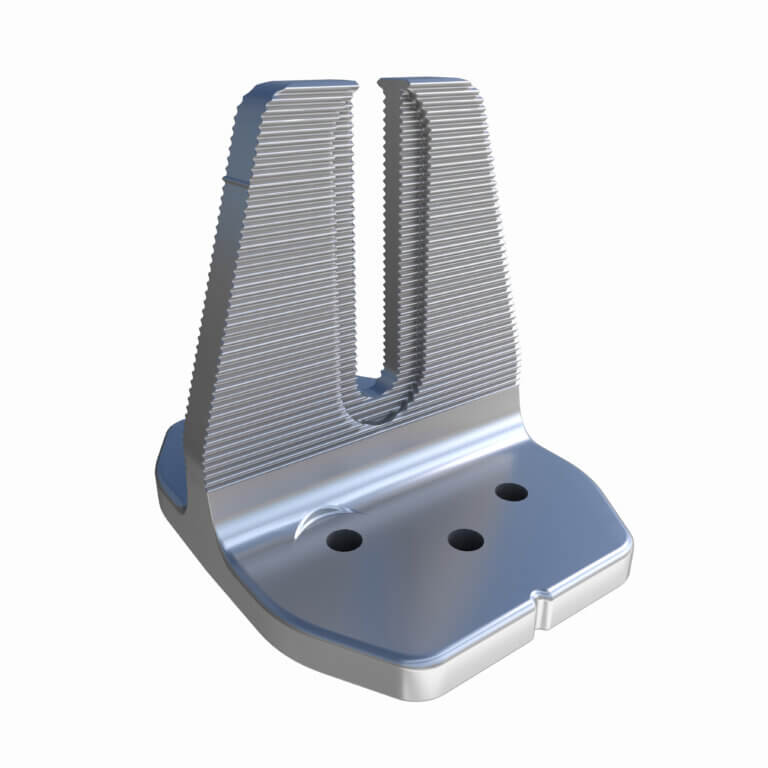
The IronRidge QuickMount GF1 Flashing is a purpose-built solar roof attachment solution designed for composition shingle roofs. It is engineered to create a watertight penetration point for solar mounting hardware while keeping installation fast, secure, and clean. The system uses a single-fastener design and a grommet-integrated flashing to help protect roof integrity, making it a strong choice for installers who need a reliable roof attachment with minimal setup time.
For residential and light commercial solar projects, the IronRidge QuickMount GF1 Flashing stands out because it combines speed, sealing performance, and compatibility with IronRidge mounting components. It is commonly used with slotted L-feet and lag hardware, giving installers a familiar and proven workflow. The product is especially useful on standard pitched roofs with composition shingles where waterproofing and code-conscious installation matter most.
Typical buyers include solar installers, roofing contractors, distributors, and homeowners planning a rooftop solar array. The estimated price range is generally around $4 to $8 per flashing component, depending on the supplier, bundle configuration, and included hardware. Availability is broad through solar distributors and online supply channels, with part numbers such as QM-GF1-01-B1 and QM-GF1-LFT-01-B1 commonly listed. For anyone searching for a dependable solar roof flashing, iron ridge Quick Mount GF1 Flashing is a practical, widely used option that balances value, durability, and installer-friendly design.
Specifications for IronRidge QuickMount GF1 Flashing
- Product type: Solar roof flashing for composition shingle roofs.
- Installation method: Single-fastener design for quick attachment and reduced roof disruption.
- Flashing size: 8 x 12 inches.
- Part number: QM-GF1-01-B1 for the flashing assembly.
- Related components: QM-GF1-LFT-01-B1 L-foot and HW-5164-01-M1 lag bolt.
- Seal design: Patented watertight technology with a grommet-integrated flashing and EPDM rubber gasket.
- Roof compatibility: Designed for pitched roofs with composition shingles.
- Finish: Black finish commonly available.
- Core function: Creates a sealed attachment point for solar racking hardware.
- Typical use: Residential PV arrays and light commercial rooftop solar systems.
Compared with generic roof flashing products, the IronRidge QuickMount GF1 Flashing offers a more integrated solar-specific design and better system compatibility. Compared with larger seamless flashings, it is more compact and installation-friendly for standard shingle roof attachments. It also pairs well with IronRidge mounting systems, which helps streamline component selection and field installation.
Troubleshooting Common Issues With IronRidge QuickMount GF1 Flashing
If the flashing appears misaligned, the most common cause is incorrect placement under the shingle course or failure to position the unit with proper upslope orientation. Re-seat the flashing, confirm the gasket is centered, and verify that the lag bolt is installed cleanly into structural framing. If water intrusion occurs, inspect the EPDM gasket, the lag penetration, and the surrounding shingles for damage or improper overlap.
If the attachment feels loose, confirm that the fastener is torqued correctly and that the L-foot is fully seated. If the roof surface is irregular, debris or bent shingles may prevent full contact. In these cases, clean the area and replace any damaged roofing materials before reinstalling. There are no widely published fault codes for this product, but installer errors usually relate to alignment, sealing, or fastener placement rather than product failure.
Preventive maintenance is straightforward: inspect rooftop penetrations during annual solar or roof checks, keep debris away from flashing edges, and ensure seal interfaces remain intact. Warranty and support options typically depend on the distributor and IronRidge’s product documentation. For help, contact the distributor that supplied the product or IronRidge customer support through the company’s official support channels and documentation portal.
Pros and Cons of IronRidge QuickMount GF1 Flashing
Pros
- Fast installation with a single-fastener workflow, which saves labor time.
- Watertight design helps protect roof integrity during solar mounting.
- Strong compatibility with IronRidge racking hardware and slotted L-feet.
- Compact 8 x 12 inch format fits common composition shingle roof layouts.
- Good value for money, especially for larger projects where installation speed matters.
Cons
- Designed primarily for composition shingle roofs, so it is not a universal roof solution.
- Requires careful installation technique to maintain the watertight seal.
- May not be the best choice for installers seeking fully integrated, larger-format flashing systems.
- Performance depends on proper fastener placement and roof condition.
For most standard shingle-roof solar jobs, the value proposition is strong. Compared with some generic flashing alternatives, the IronRidge QuickMount GF1 Flashing provides a more refined solar-specific mounting solution. Compared with premium seamless flashings, it is often easier to install and more cost-effective, making it attractive for residential PV contractors.
Customer Reviews of IronRidge QuickMount GF1 Flashing
Installer feedback is generally positive, with many users praising the quick setup and dependable sealing performance. Typical ratings trend around 4.5 out of 5 stars, especially among solar professionals who value consistency and speed on composition shingle roofs. One common testimonial style comment is that the product “installs cleanly and saves time on every roof layout.”
Frequently mentioned complaints include the need for careful alignment and the fact that it is limited to specific roof types. Some users also note that the system performs best when installed by experienced solar crews familiar with roof attachment best practices. Overall, the iron ridge Quick Mount GF1 Flashing is often recommended for buyers who want a practical, contractor-grade flashing with solid sealing performance and good availability.
Frequently Asked Questions About IronRidge QuickMount GF1 Flashing
- What roofs is it for? It is designed for composition shingle roofs on pitched structures.
- Is it easy to install? Yes, the single-fastener design is made for fast field installation.
- What size is it? The flashing is commonly listed as 8 x 12 inches.
- Is it compatible with IronRidge racks? Yes, it is built to work with IronRidge mounting components.
- What is the main benefit? A reliable watertight roof penetration with installer-friendly setup.
Faqs
How do I install iron ridge Quick Mount GF1 Flashing on a composition shingle roof?
What makes iron ridge Quick Mount GF1 Flashing different from other solar roof flashing options?
Is iron ridge Quick Mount GF1 Flashing compatible with most solar racking systems?
Why is my iron ridge Quick Mount GF1 Flashing leaking or not sealing properly?
Can I install iron ridge Quick Mount GF1 Flashing without removing shingles?
What roof type works best with iron ridge Quick Mount GF1 Flashing?
How do I maintain iron ridge Quick Mount GF1 Flashing after installation?
What are the most common installation mistakes with iron ridge Quick Mount GF1 Flashing?
Tags
More iron ridge manuals
Leave a Comment