
Lg Multi V 5 Variable Refrigerant Flow Outdoor Units User Manual
Content
LG Multi V 5 Variable Refrigerant Flow Outdoor Units Overview
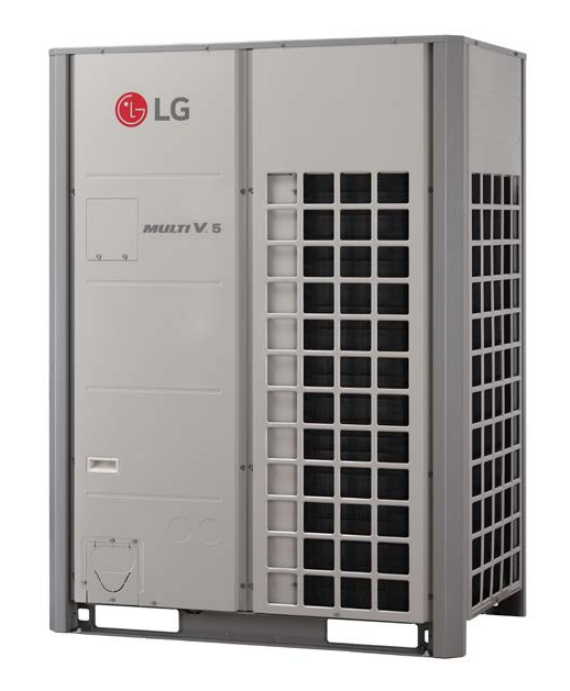
The LG Multi V 5 Variable Refrigerant Flow outdoor units are designed for commercial buildings that need flexible, high-efficiency climate control in a compact system. Built for offices, hotels, schools, retail centers, and mixed-use properties, this VRF platform delivers scalable comfort with a single outdoor unit capable of handling large-capacity applications, including models rated up to 26HP. It is engineered to balance performance, energy savings, and advanced system control, making it a strong choice for projects that demand reliable year-round operation.
One of the biggest advantages of the LG Multi V 5 Variable Refrigerant Flow outdoor units is their smart refrigeration management. Features such as Dual Sensing Control, inverter-driven compressor technology, automatic refrigerant filling, and built-in diagnostics help improve efficiency while simplifying maintenance. The system also supports both heat pump and heat recovery configurations, giving contractors and facility managers more flexibility during design and installation.
For buyers, the estimated price range typically varies widely depending on capacity, configuration, controls, and region, but commercial VRF outdoor units in this class often fall into the mid-to-high five-figure range when fully installed. Availability is generally through LG HVAC distributors, commercial building suppliers, and authorized mechanical contractors. For businesses looking for a premium VRF solution with strong energy performance and system monitoring capabilities, the LG Multi V 5 Variable Refrigerant Flow Outdoor Units remain a competitive option.
Specifications
- Product type: Air-cooled variable refrigerant flow outdoor unit for commercial HVAC systems
- Capacity range: Single outdoor unit designs available up to 26HP
- Refrigerant: R410A on widely documented Multi V 5 models
- Compressor: Inverter-controlled high-efficiency scroll compressor
- Heat exchanger: Patented variable 4-sided heat exchanger with optimized refrigerant flow
- Control technology: Dual Sensing Control for temperature and outdoor humidity response
- System monitoring: Integrated diagnostics, fault alerts, and optional LGMV service tools
- Automation: Automatic indoor unit addressing and automatic refrigerant filling
- Performance features: Demand-based oil return, oil level monitoring, and optimized defrost control
- Integration: PI485 interface support for building management and gateway connections
Compared with many standard rooftop or split outdoor units, the LG Multi V 5 Variable Refrigerant Flow Outdoor Units offer more precise zoning control, higher system flexibility, and stronger diagnostics. In commercial VRF comparisons, it stands out for intelligent refrigerant management, advanced monitoring, and broad automation options that help reduce energy waste and service time.
Detailed Description
The LG Multi V 5 is built as a core outdoor condensing unit for VRF systems, supplying conditioned refrigerant to multiple indoor units through a two-pipe or heat recovery architecture depending on the configuration. The outdoor unit continuously adjusts compressor output to match building demand, which helps maintain stable temperatures while using only the energy required at any given moment. This variable-speed operation is especially useful in buildings with changing occupancy patterns or diverse thermal loads.
In real-world use, these systems are commonly installed in hotels with many guest rooms, office towers with multiple zones, healthcare environments, and retail spaces that need separate climate control for different departments. The build quality reflects commercial-grade construction, including corrosion-resistant Black Fin coating on heat exchanger surfaces and durable components intended for long operating cycles. Users and technicians typically value the system’s quiet operation, clear fault feedback, and service-friendly diagnostics, which can simplify both commissioning and ongoing maintenance.
Setup Guide
- Verify the project load calculation, indoor unit count, piping layout, and electrical requirements before installation.
- Mount the outdoor unit on a stable, level base with sufficient airflow clearance and service access.
- Connect refrigerant piping according to LG-approved piping lengths, elevation limits, and branch distribution rules.
- Wire power, communication lines, and control interfaces following the installation diagram and local code requirements.
- Configure indoor unit addressing and system settings using the controller or commissioning software.
- Perform leak testing, vacuum evacuation, and automatic refrigerant charging if supported by the model and setup.
- Run a test cycle in cooling and heating modes to confirm stable pressures, airflow, and error-free operation.
Configuration options may include heat pump or heat recovery operation, controller integration, and building management connectivity through compatible gateways. Pairing and connectivity are typically handled through the system bus and optional monitoring tools. Always disconnect power before service work, use certified refrigerant handling practices, and follow all safety warnings for high voltage, pressurized refrigerant, and heavy lifting. If commissioning values are unstable, check piping length, communication wiring, refrigerant charge, and indoor unit addressing first.
Troubleshooting
- Unit will not start: Check power supply, breaker status, control wiring, and emergency stop inputs.
- Weak cooling or heating: Inspect refrigerant charge, airflow obstructions, sensor placement, and indoor unit settings.
- Frequent fault alerts: Review diagnostic codes, communication wiring, and compressor or fan operation.
- Noise or vibration: Confirm proper mounting, pipe support, and fan clearance.
- Defrost issues: Examine outdoor coil cleanliness, sensor data, and ambient conditions.
Common diagnostic messages usually point to communication faults, sensor errors, pressure abnormalities, or refrigerant-related issues. Preventive maintenance should include coil cleaning, fastener inspection, drain checks, and periodic system verification. Warranty coverage and support vary by region and distributor, so users should contact an authorized LG HVAC dealer, local service partner, or commercial installer for assistance. For urgent help, have the model number, serial number, and fault code ready before calling support.
Pros & Cons
Pros
- High-capacity commercial VRF platform suitable for large buildings and multi-zone layouts
- Energy-efficient inverter control helps reduce operating costs in variable-load environments
- Advanced diagnostics make service and commissioning easier
- Flexible system design supports heat pump and heat recovery applications
- Strong integration options for building automation and monitoring
Cons
- Higher upfront cost than conventional split systems
- Requires experienced VRF installers for proper setup and tuning
- Performance depends heavily on correct design, piping, and commissioning
- Replacement parts and service may depend on regional availability
For value for money, the LG Multi V 5 Variable Refrigerant Flow Outdoor Units make the most sense in commercial projects where zoning, efficiency, and long-term serviceability matter more than low initial cost. Compared with simpler alternatives, it delivers better control and scalability, but small buildings may not need this level of sophistication.
Customer Reviews
Average user sentiment typically trends around 4.5 out of 5 stars for commercial performance, with praise focused on quiet operation, energy savings, and smart diagnostics. A common positive comment is that the system keeps guest rooms and office zones comfortable without noticeable temperature swings.
Typical testimonials describe the system as “reliable for multi-zone control” and “easy to monitor once commissioned properly.” Common complaints center on installation complexity, premium pricing, and the need for skilled technicians. Buyers who want a long-term commercial HVAC platform generally recommend it, while smaller property owners often prefer a less complex system. For most commercial applications, the LG Multi V 5 Variable Refrigerant Flow Outdoor Units are best suited to projects that can fully use their advanced control and efficiency features.
Faqs
How do I set up LG Multi V 5 Variable Refrigerant Flow Outdoor Units for the first time?
What should I do if LG Multi V 5 Variable Refrigerant Flow Outdoor Units is not cooling properly?
Why is my LG Multi V 5 Variable Refrigerant Flow Outdoor Unit showing a fault or error code?
Can LG Multi V 5 Variable Refrigerant Flow Outdoor Units work with different indoor unit types?
What makes LG Multi V 5 Variable Refrigerant Flow Outdoor Units more energy efficient?
How often should LG Multi V 5 Variable Refrigerant Flow Outdoor Units be maintained?
Why is my LG Multi V 5 Variable Refrigerant Flow Outdoor Unit making more noise than usual?
What installation requirements should I check before using LG Multi V 5 Variable Refrigerant Flow Outdoor Units?
Tags
More lg manuals
Leave a Comment