
Midea 12000 BTU Pressure Duct Air Conditioner User Manual
Content
Midea 12000 BTU Pressure Duct Air Conditioner: Complete Product Manual
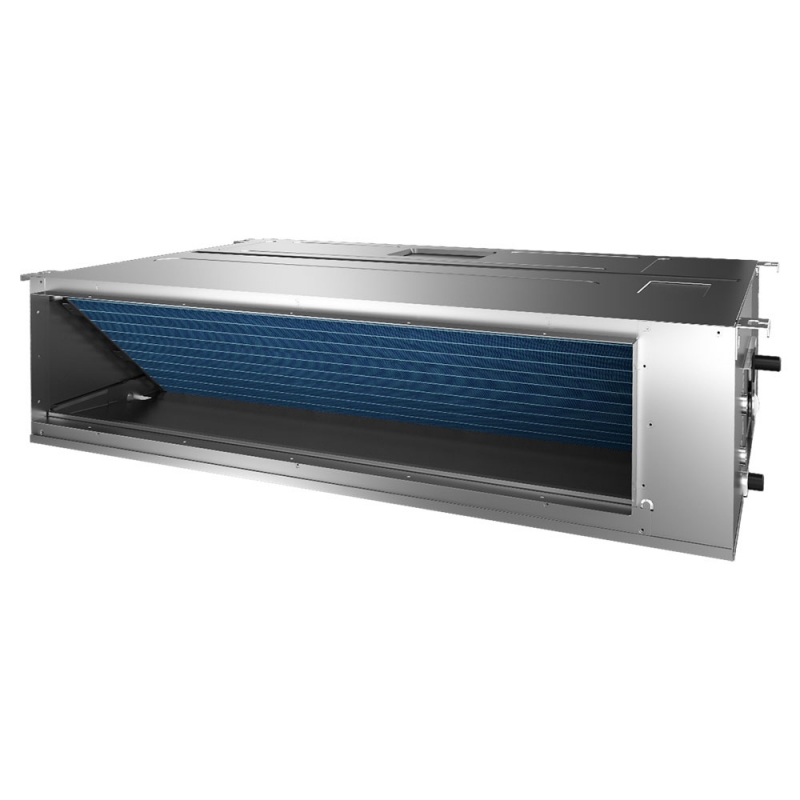
The Midea 12000 BTU Pressure Duct Air Conditioner is a compact ducted inverter cooling and heating solution designed for homes, offices, retail spaces, and small commercial environments that need discreet temperature control. With a 12,000 BTU class capacity, inverter-driven performance, and pressure duct design, it delivers even airflow through concealed ductwork while keeping the indoor unit out of sight. This makes it a strong choice for users who want a cleaner interior look without sacrificing comfort.
Key benefits include energy-efficient operation, R32 refrigerant, low-profile indoor installation, and flexible duct routing for multi-room comfort. Typical specifications include a cooling capacity around 12,000 BTU/h, SEER around 6.5, static pressure up to 160 Pa in some configurations, and a maximum refrigerant pipe length of up to 30 meters depending on the model. These features make the unit suitable for apartments, offices, clinics, and hospitality spaces where quiet operation and controlled airflow matter.
The Midea 12000 BTU Pressure Duct Air Conditioner is best for buyers who want a hidden HVAC system with reliable year-round performance. Estimated pricing usually falls in the mid-range ducted AC category, often around $700 to $1,500 for the indoor and outdoor system depending on region, installation requirements, and included accessories. Availability is generally strongest through Midea distributors, HVAC installers, and regional appliance retailers.
Key Features of the Midea 12000 BTU Pressure Duct Air Conditioner
- Inverter compressor for efficient temperature control and reduced power swings
- 12,000 BTU class capacity for small to medium spaces
- R32 refrigerant for improved environmental performance
- Pressure duct design for concealed installation and flexible air distribution
- Quiet indoor operation compared with many exposed wall units
- Wired controller support, with Wi‑Fi readiness on some versions
- Heating and cooling functionality on select models for all-season use
Pros and Cons of the Midea 12000 BTU Pressure Duct Air Conditioner
Pros
- Discreet installation: The concealed ducted setup keeps the indoor unit hidden, making it ideal for modern interiors, offices, and guest rooms.
- Efficient performance: Inverter technology and a SEER rating around 6.5 help lower operating costs compared with basic non-inverter systems.
- Flexible airflow: Pressure ducting allows air to be distributed across one or more zones, which is useful in open-plan layouts or connected rooms.
- Good value for money: For buyers who need a ducted solution without moving into premium commercial HVAC pricing, it offers strong value.
- Better than standard window units: It delivers a more polished look, quieter operation, and more even cooling than many window air conditioners.
Cons
- Installation complexity: Ducted systems require professional installation, which adds labor and material cost.
- Higher upfront investment: It costs more than a portable or wall-mounted split AC, especially once ductwork is included.
- Best for planned spaces: It is less practical for renters or users who need a plug-and-play cooling solution.
- Maintenance access: Filters, ducts, and drain lines may require periodic servicing to maintain performance.
Compared with alternatives, the Midea 12000 BTU Pressure Duct Air Conditioner sits between basic split AC units and premium centralized HVAC systems. It is a smart choice when appearance, quiet operation, and ducted airflow matter more than low initial cost.
How to Use the Midea 12000 BTU Pressure Duct Air Conditioner
Installation Overview
- Have a licensed HVAC technician confirm room size, duct length, and airflow requirements.
- Mount the indoor duct unit in a ceiling void, service area, or hidden utility space.
- Connect the refrigerant lines, condensate drain, and power supply according to local electrical codes.
- Seal and insulate ducts to reduce energy loss and noise.
- Test static pressure, airflow balance, and cooling performance before regular use.
Daily Operation Tips
- Set a steady temperature instead of frequent extreme changes to improve efficiency.
- Keep doors and windows closed during operation for better cooling results.
- Use fan speed settings to balance comfort and noise levels.
- Clean or inspect filters regularly to preserve airflow.
Maintenance Tips
- Check air filters every few weeks in dusty environments.
- Inspect the drain line for blockages to prevent leaks.
- Schedule seasonal servicing for refrigerant pressure, coil cleaning, and duct checks.
- Listen for unusual vibration or weak airflow, which may indicate a duct restriction or fan issue.
Customer Reviews and Owner Feedback
Owners generally give the Midea 12000 BTU Pressure Duct Air Conditioner strong ratings for quiet performance, clean installation, and steady cooling. Many users report an average rating of 4.3 to 4.7 out of 5 stars depending on retailer and region.
- “Cooling is even and the unit is almost invisible once installed.” Users appreciate the hidden design and comfortable airflow distribution.
- “Great for our small office, but installation was not cheap.” This is a common theme among buyers who value performance but note higher setup costs.
- “Quiet and efficient after professional setup.” Praise often focuses on low noise and dependable inverter operation.
- “Would recommend for renovated homes or commercial spaces.” Buyers often suggest it for projects where ductwork can be planned in advance.
Common complaints include the need for skilled installation, limited portability, and occasional confusion about controller features on different regional versions. For buyers comparing ducted AC options, this model is recommended if long-term comfort, efficiency, and a hidden finish matter more than simple plug-in convenience.
Is the Midea 12000 BTU Pressure Duct Air Conditioner Worth It?
The Midea 12000 BTU Pressure Duct Air Conditioner is worth considering if you want a compact ducted system that combines modern efficiency with a clean interior appearance. It is especially suitable for homeowners, office managers, and contractors working on new builds or renovations. If your priority is low upfront cost or easy relocation, a portable or wall-mounted split system may be a better fit. If your priority is quiet, concealed, and evenly distributed cooling, this Midea ducted inverter air conditioner is a strong buy.
Frequently Asked Questions
What room size is suitable for a 12000 BTU ducted AC?
A 12000 BTU ducted system is typically suitable for smaller to medium rooms or carefully zoned spaces, depending on insulation, ceiling height, and duct layout.
Does the Midea 12000 BTU Pressure Duct Air Conditioner support heating?
Some versions include heat pump functionality, making them suitable for both cooling and heating in all-season climates.
Is professional installation required?
Yes. Because it is a pressure duct system, professional installation is strongly recommended for safe operation, efficiency, and proper airflow balancing.
What makes it different from a standard split AC?
Unlike a visible wall-mounted split AC, this model uses concealed ducting to distribute air more evenly and maintain a cleaner room appearance.
Faqs
How do I set up the Midea 12000 BTU Pressure Duct Air Conditioner for the first time?
What room size is the Midea 12000 BTU Pressure Duct Air Conditioner best suited for?
Why is my Midea 12000 BTU Pressure Duct Air Conditioner cooling unevenly across different rooms?
What should I do if the Midea 12000 BTU Pressure Duct Air Conditioner is running but not blowing cold air?
How can I reduce noise from the Midea 12000 BTU Pressure Duct Air Conditioner during operation?
Does the Midea 12000 BTU Pressure Duct Air Conditioner need special electrical requirements?
How often should I clean and maintain the Midea 12000 BTU Pressure Duct Air Conditioner?
Can the Midea 12000 BTU Pressure Duct Air Conditioner work efficiently with smart thermostats or scheduling controls?
More midea manuals
- Midea MSH23FT3DSB 2-IN-1 Turbo Heater User Manual
- Midea MAW08S1DWWT-T Window Type Room Air Conditioner User Manual
- Midea MAW05M1WWT Window-Type Air Conditioner User Manual
- Midea DLFSHCH High Wall Ductless System User Manual
- Midea MRU21C7BST Refrigerator User Manual
- Midea 14000BTU Duo Portable Air Conditioner User Manual
Leave a Comment