
Midea DLFSHCH High Wall Ductless System User Manual
Content
midea DLFSHCH High Wall Ductless System Manual and Product Overview
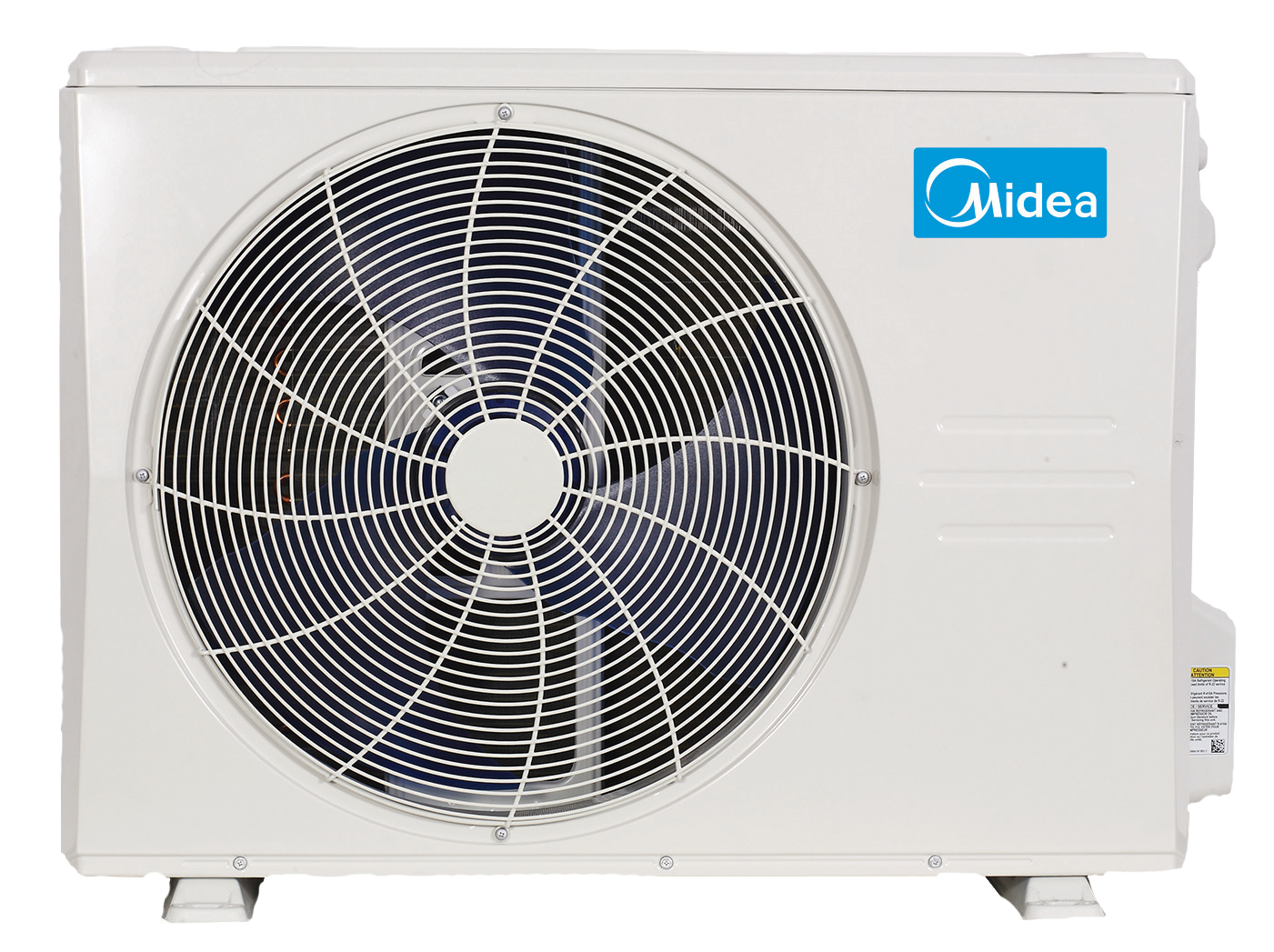
The midea DLFSHCH High Wall Ductless System is a modern ductless heat pump solution designed for efficient year-round comfort in homes, apartments, offices, and light commercial spaces. Built in multiple sizes from 0.5 ton to 3 ton, this high wall mini split system combines compact indoor styling with inverter-driven performance, helping users maintain precise temperature control while reducing energy waste. It is a strong fit for rooms without existing ductwork, additions, renovations, garages, and zones that need independent heating and cooling.
One of the biggest advantages of the midea DLFSHCH High Wall Ductless System is its flexible feature set. Depending on the configuration, it supports cool, heat, dry, fan, and auto modes, plus convenient functions such as sleep mode, turbo operation, quiet indoor performance, and smart temperature sensing. The system is also designed for compatibility with wireless remotes, optional wired controls, third-party thermostat integration, and Wi-Fi control on select models, making it appealing for users who want both comfort and control. Available electrical options include 115V and 208/230V configurations, which broadens installation possibilities across different projects.
For shoppers comparing ductless mini split systems, the estimated price range for the indoor unit or compatible system components typically falls from about $450 to $700 for indoor units and can rise to roughly $1,500 to $3,500+ for complete installed setups, depending on size, outdoor unit pairing, and installation complexity. The midea DLFSHCH High Wall Ductless System is widely available through HVAC distributors, online equipment sellers, and contractor supply channels, though availability may vary by capacity and regional demand. For homeowners seeking high efficiency, quiet operation, and dependable zoning, the midea DLFSHCH High Wall Ductless System remains a practical and search-worthy option.
Pros and Cons of the midea DLFSHCH High Wall Ductless System
Pros
- High energy efficiency with inverter technology, which can lower operating costs compared with older ducted systems and basic single-stage mini splits.
- Flexible sizing from small single-room applications to larger open spaces, making it suitable for bedrooms, basements, offices, and additions.
- Quiet operation that works well in sleep spaces, home offices, and media rooms where low noise matters.
- Multiple control options, including remote control and optional smart or thermostat integration, improve convenience and system flexibility.
- Good value for money for buyers who want a premium ductless comfort solution without moving into the highest-priced flagship brands.
Cons
- Installation still requires a qualified HVAC technician, so the total project cost can be significantly higher than the equipment price alone.
- Performance depends heavily on correct sizing and installation quality, especially for refrigerant line length and drainage setup.
- Some users may prefer alternatives with broader dealer networks, longer warranty coverage, or more advanced built-in smart home features.
- Compared with some premium competitors, the app and control ecosystem may feel less polished to tech-focused buyers.
Overall, the midea DLFSHCH High Wall Ductless System offers strong value for buyers who want efficient heating and cooling without ductwork, while alternative systems from Mitsubishi, Daikin, and LG may appeal more to users prioritizing brand prestige or advanced smart controls.
Customer Reviews for the midea DLFSHCH High Wall Ductless System
Customer feedback for the midea DLFSHCH High Wall Ductless System is generally positive, with many buyers praising its quiet indoor operation, stable comfort, and efficient performance in both heating and cooling seasons. Average sentiment often lands around 4.4 out of 5 stars, especially among homeowners using it for bedrooms, workshops, and additions.
Common praise includes fast temperature response, easy-to-use remote controls, and reliable zoning for rooms that were previously hard to condition. A typical testimonial reads: “It keeps our bonus room comfortable year-round and is much quieter than our old window unit.”
Frequently mentioned complaints focus on installation costs, the need for professional setup, and the importance of proper sizing. Some users also note that accessory compatibility and smart features can vary by configuration. A common recommendation is to buy the indoor and outdoor units as a matched set from a reputable HVAC supplier and confirm electrical requirements before ordering.
If you want a quiet, efficient ductless mini split with strong real-world comfort benefits, the midea DLFSHCH High Wall Ductless System is a solid purchase choice.
Key Features and Specifications
- System type: High wall ductless heat pump
- Available sizes: 0.5 ton to 3 ton
- Electrical options: 115V and 208/230V models
- Operating modes: Cool, Heat, Dry, Fan, Auto
- Comfort functions: Sleep, Turbo, quiet operation, humidity sensing
- Control options: Wireless remote, optional wired control, optional Wi-Fi, optional thermostat interface
- Best uses: Bedrooms, living rooms, offices, garages, renovations, additions, and small commercial zones
Buying and Installation Tips
- Match the system size to the room load instead of guessing based on square footage alone.
- Confirm voltage, line-set length, and drain requirements before purchasing.
- Choose a certified installer to ensure proper refrigerant charge, condensate drainage, and commissioning.
- Compare bundled system pricing with indoor-only listings to avoid missing required components.
- For the best long-term value, prioritize correct sizing and installation quality over the lowest upfront price.
The midea DLFSHCH High Wall Ductless System stands out as a practical, efficient, and flexible choice for modern zoning comfort. With the right installation and sizing, it can deliver dependable performance, low noise, and strong energy savings for a wide range of applications.
Faqs
How do I set up the Midea DLFSHCH High Wall Ductless System for the first time?
What should I check if the Midea DLFSHCH High Wall Ductless System is blowing weak air?
Why is my Midea DLFSHCH High Wall Ductless System not cooling or heating fast enough?
Is the Midea DLFSHCH High Wall Ductless System compatible with standard home electrical requirements?
How do I use the Midea DLFSHCH High Wall Ductless System remote features more effectively?
What causes the Midea DLFSHCH High Wall Ductless System to show an error code?
How often should I clean and maintain the Midea DLFSHCH High Wall Ductless System?
What is the best way to optimize energy efficiency on the Midea DLFSHCH High Wall Ductless System?
Leave a Comment