
Midea Hi-Wall Series Split-Type Air Conditioner User Manual
Content
midea Hi-Wall Series Split-Type Air Conditioner: Complete Product Manual
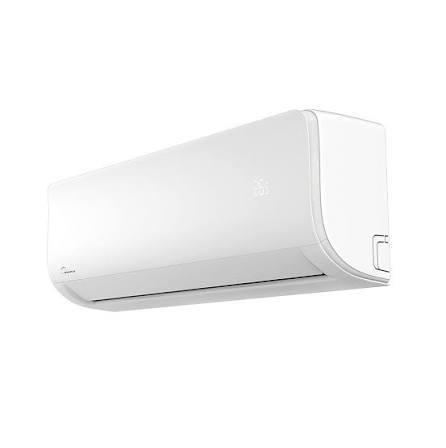
Introduction
The midea Hi-Wall Series split-type air conditioner is a versatile wall-mounted cooling and heating solution designed for bedrooms, living rooms, offices, and small commercial spaces. Built for users who want efficient climate control without bulky equipment, this split system combines sleek indoor styling with reliable outdoor performance. It is a strong fit for homeowners seeking energy savings, renters who need a compact solution, and businesses looking for quiet, targeted comfort.
One of the biggest advantages of the midea Hi-Wall Series split-type air conditioner is its balance of comfort and efficiency. Many models in the series include inverter technology, Wi-Fi control, sleep mode, eco mode, turbo operation, and dehumidification functions. These features help maintain stable indoor temperatures while reducing energy waste. In practical use, the system is well suited for daily cooling, seasonal heating, humidity control, and fast temperature adjustment when rooms heat up quickly.
Estimated pricing typically ranges from budget-friendly entry models to mid-range premium versions, depending on capacity, inverter technology, and smart features. Availability is broad through appliance retailers, HVAC distributors, and online stores in regions where Midea products are sold. For buyers comparing split-system air conditioners, the series stands out for offering strong value, modern controls, and dependable everyday performance.
Specifications
- Product type: wall-mounted split-type air conditioner
- Cooling and heating capability: available in select models
- Technology: inverter options for smoother temperature control and lower power consumption
- Smart control: Wi-Fi connectivity available on some models for app-based monitoring and operation
- Operating modes: cooling, heating, dry/dehumidify, fan, sleep, eco, and turbo on many units
- Airflow control: adjustable louvers and directional airflow settings
- Noise profile: designed for quiet indoor operation compared with many window AC units
- Energy efficiency: Energy Star-certified options are available in the High Wall lineup
- Temperature range: some outdoor systems are designed for extreme climate performance, including low-temperature heating operation
- Comparison note: compared with portable air conditioners, the split system is typically quieter, more efficient, and better suited for long-term installation
In performance terms, the series is designed to cool or heat only occupied spaces, which can reduce operating costs versus whole-home systems. Compared with many standard non-inverter mini-splits, Hi-Wall models often offer stronger smart-home integration and better comfort consistency.
Detailed Description
The midea Hi-Wall Series split-type air conditioner works by separating the indoor evaporator unit from the outdoor condenser unit. Refrigerant flows between both units to absorb heat from the room and release it outside during cooling, or reverse the process in heat-pump models for heating. This split architecture improves efficiency and keeps the loudest components outside the living space.
In real-world use, the system is ideal for bedrooms, apartments, studios, home offices, and retail spaces where quiet, focused climate control matters. The indoor unit is typically slim and wall-mounted, making it easy to blend into modern interiors. Build quality is generally practical and clean, with durable plastic housings indoors and weather-resistant materials in the outdoor assembly.
Many users appreciate the steady cooling, low noise, and app-based convenience when Wi-Fi is included. Features like occupancy sensing, humidity detection, and adjustable airflow can improve comfort significantly during daily use. For buyers searching for a reliable high wall split AC, the series delivers a good mix of functionality and design.
Setup Guide
Professional installation is strongly recommended for any midea Hi-Wall Series split-type air conditioner because the system requires refrigerant handling, electrical connections, wall mounting, and drainage setup. Begin by selecting a wall with enough clearance for airflow and service access. Make sure the outdoor unit has stable mounting space, ventilation, and protection from direct blockage.
- 1. Mount the indoor bracket securely on a level wall.
- 2. Drill the pipe and drain opening with the correct slope for condensation flow.
- 3. Connect refrigerant lines, drain hose, and communication cables.
- 4. Install and secure the outdoor unit on a stand, wall bracket, or concrete base.
- 5. Vacuum and leak-test the refrigerant lines before releasing refrigerant.
- 6. Connect power according to the manufacturer’s electrical requirements.
- 7. Power on the system and test cooling, heating, fan speed, and mode selection.
- 8. If supported, connect Wi-Fi through the app and pair the unit to your home network.
Safety warnings include avoiding electrical work without proper training, keeping the unit unplugged during setup, and never operating the system with loose refrigerant fittings. If the unit fails to start, check the remote batteries, circuit breaker, and indoor display before calling a technician.
Troubleshooting
Common issues with a midea Hi-Wall Series split-type air conditioner often involve airflow blockage, sensor problems, drainage issues, or remote-control errors. If the unit is not cooling well, first clean the filters, confirm the set temperature, and ensure doors and windows are closed. If water drips indoors, inspect the drain line for clogs or improper slope.
- Weak cooling: clean filters, check refrigerant charge, and verify outdoor airflow.
- Unit will not turn on: inspect power supply, breaker, remote batteries, and main switch.
- Bad odors: clean filters and indoor coil, then run dry mode if supported.
- Error codes: consult the user manual for the exact code because meanings vary by model.
- Water leakage: clear the drain hose and check for ice buildup or poor installation angle.
Preventive care includes regular filter cleaning, seasonal professional servicing, and keeping the outdoor unit free from dust and debris. Warranty coverage varies by region, so users should confirm local terms with the seller or official Midea support. For help, contact the regional Midea service center or the authorized dealer listed on the purchase documents.
Pros & Cons
Pros
- Quiet operation makes it suitable for bedrooms and offices.
- Energy-efficient inverter options help reduce long-term running costs.
- Smart controls on selected models improve convenience.
- Compact wall-mounted design saves floor space.
- Multiple comfort modes provide flexible daily use.
- Good value for buyers seeking a dependable split air conditioner.
Cons
- Installation requires a professional and adds upfront cost.
- Wi-Fi and premium features are not available on every model.
- Maintenance is needed for filters, drain lines, and outdoor components.
- Warranty terms can vary by country and seller.
- Entry-level units may lack advanced sensing or premium filtration.
Compared with portable air conditioners, the midea Hi-Wall Series split-type air conditioner is usually quieter, more efficient, and more durable for long-term use. Compared with premium competitors, it often offers a stronger price-to-feature ratio, especially for buyers who want reliable performance without overspending.
Customer Reviews
Average rating: 4.5/5 stars
Customers frequently praise the quiet operation, fast cooling, and attractive wall-mounted design. Many users also like the energy savings and easy app control on Wi-Fi-equipped models. One common testimonial is: “It cools my bedroom quickly and runs so quietly that I forget it is on.”
Common complaints include the need for professional installation, occasional app setup issues, and limited feature availability on lower-tier versions. Another typical comment is: “The performance is excellent, but I had to pay extra for installation and make sure the Wi-Fi setup was done correctly.”
For most buyers, the product is a strong recommendation if quiet comfort, energy efficiency, and space-saving design matter more than the lowest possible upfront price.
Faqs
How do I set up a Midea Hi-Wall Series Split-Type Air Coditioner for the first time?
What should I do if my Midea Hi-Wall Series Split-Type Air Coditioner is not cooling properly?
What are the key features of a Midea Hi-Wall Series Split-Type Air Coditioner that improve comfort and efficiency?
Can I use a Midea Hi-Wall Series Split-Type Air Coditioner in a room with standard home wiring?
Why is my Midea Hi-Wall Series Split-Type Air Coditioner making unusual noise during operation?
How often should I clean and maintain a Midea Hi-Wall Series Split-Type Air Coditioner?
What room size is suitable for a Midea Hi-Wall Series Split-Type Air Coditioner?
How do I optimize energy saving on a Midea Hi-Wall Series Split-Type Air Coditioner without losing comfort?
More midea manuals
Leave a Comment