
Setup Guide: Midea MDDF-16DEN7-QA3 Dehumidifier User Manual
Content
midea MDDF-16DEN7-QA3 Dehumidifier: Full Product Manual and Buying Guide
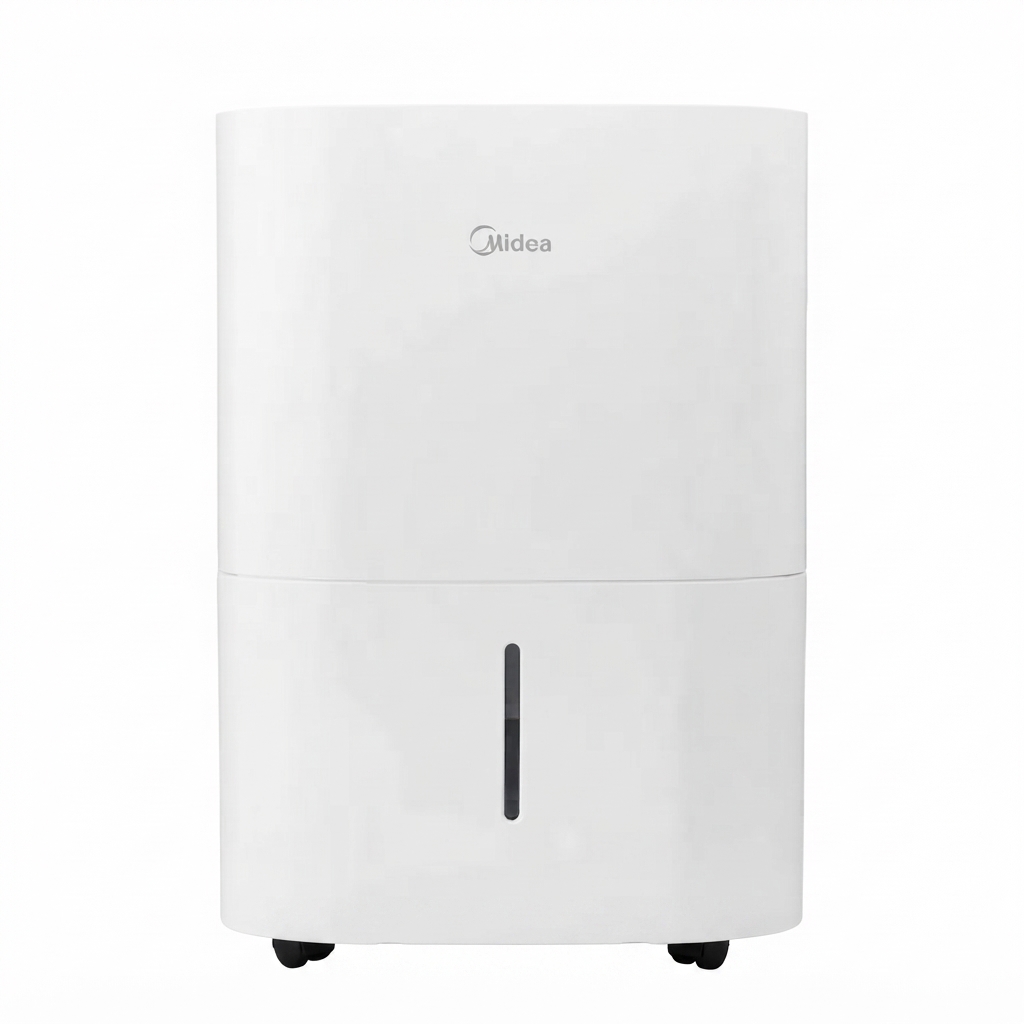
The midea MDDF-16DEN7-QA3 Dehumidifier is a compact compressor-based home dehumidifier designed to control excess moisture in medium-sized rooms, protect furniture and walls from dampness, and improve overall indoor comfort. With a moisture removal capacity of 16 liters per day, Wi‑Fi control, a 3-liter water tank, and support for continuous drainage, it is built for apartments, bedrooms, laundry areas, basements, and seasonal humidity control. Its 150 m³/h airflow, low operating noise, and R290 refrigerant make it a practical option for users who want efficient performance without a bulky footprint.
This model is especially appealing to homeowners dealing with condensation, musty odors, mold risk, or slow-drying laundry. It also suits users who want app-based control and flexible operation modes, including a drying function for clothes. The device covers rooms up to about 30 m², making it a strong fit for small to medium living spaces. Compared with basic entry-level dehumidifiers, it stands out for its smart features, solid extraction rate, and balanced power consumption. Compared with larger 20L or 30L alternatives, it offers a more affordable and space-saving solution while still delivering everyday moisture management.
Estimated pricing typically falls in the mid-range category, with current market availability varying by country and retailer. In 2026, listings generally place the unit around budget-to-mid-tier pricing, roughly in the range of about 165 to 220 euros in European markets, though some regional sellers may price it higher depending on stock, warranty, and delivery options. For shoppers searching for a Wi‑Fi dehumidifier with dependable daily performance, the midea MDDF-16DEN7-QA3 Dehumidifier remains a competitive choice.
Specifications of the midea MDDF-16DEN7-QA3 Dehumidifier
- Dehumidification capacity: 16 liters per 24 hours
- Recommended room size: up to 30 m²
- Rated input: 270 W
- Rated current: 1.7 A to 1.8 A depending on market listing
- Water tank capacity: 3 liters
- Airflow: 150 / 122 / 74 m³/h
- Noise level: 46 / 43 / 37 dB(A)
- Operating temperature range: 5°C to 32°C, with some listings extending to 35°C
- Refrigerant: R290
- Dimensions: 510 x 350 x 245 mm
- Weight: 15 kg
- Smart features: Wi‑Fi connectivity, display, timer, and drying function
- Drainage: Built-in tank plus continuous drainage support
Performance-wise, this model is a strong match for users who need steady humidity control rather than heavy-duty commercial extraction. Its 16L/day rating places it above ultra-compact 10L units, while its 3L tank and modest power draw make it more convenient than larger, higher-consumption models. Compared with similar mid-range dehumidifiers, it offers a balanced mix of efficiency, noise control, and smart-home convenience.
Pros and Cons: Is the midea MDDF-16DEN7-QA3 Dehumidifier Worth It?
Pros
- Good moisture removal for its size: The 16L/day capacity is well suited to bedrooms, living rooms, and laundry spaces.
- Wi‑Fi control: Remote monitoring and control add convenience, especially for users who want to check humidity levels while away.
- Quiet enough for daily use: Lower-speed operation can be comfortable in living areas and overnight settings.
- Continuous drainage option: Helpful for long runtimes and damp basements where frequent tank emptying is inconvenient.
- Practical drying mode: Useful for speeding up clothes drying indoors during rainy or humid seasons.
- Decent value for money: It offers more features than many basic compressor dehumidifiers in the same price band.
Cons
- Tank size is limited: The 3L reservoir may require regular emptying in very damp conditions.
- Not ideal for large spaces: It is best for around 30 m², so larger open-plan rooms may need a higher-capacity unit.
- Weight is noticeable: At 15 kg, it is portable, but not especially light.
- Power use is moderate: While efficient for its class, it still consumes more power than desiccant-style units in some conditions.
- Alternative models may offer higher airflow: Some competing 20L units provide stronger coverage for similar pricing.
For most households, the midea MDDF-16DEN7-QA3 Dehumidifier offers a sensible balance between features and cost. If the priority is smart control, everyday reliability, and manageable operating noise, it is a strong pick. If the goal is faster drying in very large or extremely wet areas, a higher-capacity alternative may be better.
Customer Reviews and Real-World Feedback
Customer feedback for this model is generally positive, with many users giving it around 4 to 4.5 out of 5 stars. Buyers frequently praise its compact design, effective humidity reduction, and easy-to-use controls. A common positive comment is that it performs well in apartments and bedrooms without taking up much space. Many users also appreciate the Wi‑Fi feature and the drying mode for laundry.
Typical complaints focus on the water tank size, which can fill quickly in very humid rooms, and the fact that the noise level, while acceptable, is still noticeable on higher fan speeds. Some users also mention that the unit works best when placed in a properly sized room rather than an oversized space. A representative user-style testimonial would read: “Great for my 2-bedroom apartment. It reduced condensation fast, and the app makes it easy to run overnight.” Another common sentiment is: “Good value for the price, but the tank needs emptying often during wet weather.”
Overall, the model is best recommended for homeowners, renters, and families looking for a reliable mid-range dehumidifier with smart features and good everyday performance. If you want a compact dehumidifier with Wi‑Fi, the midea MDDF-16DEN7-QA3 Dehumidifier is a solid buy for small to medium rooms.
Faqs
How do I set up the midea MDDF-16DEN7-QA3 Dehumidifier for first-time use?
What room size is best for the midea MDDF-16DEN7-QA3 Dehumidifier?
Why is my midea MDDF-16DEN7-QA3 Dehumidifier not collecting water?
How do I use the humidity settings on the midea MDDF-16DEN7-QA3 Dehumidifier?
How does Wi-Fi control work on the midea MDDF-16DEN7-QA3 Dehumidifier?
What should I do when the water tank on the midea MDDF-16DEN7-QA3 Dehumidifier is full?
How often should I clean the filter on the midea MDDF-16DEN7-QA3 Dehumidifier?
Why is the midea MDDF-16DEN7-QA3 Dehumidifier making more noise than usual?
More midea manuals
Leave a Comment