
Miele Laboratory Glassware Washer PLW-8505 User Manual
Content
Miele Laboratory Glassware Washer PLW-8505: Overview, Features, and Buying Guide
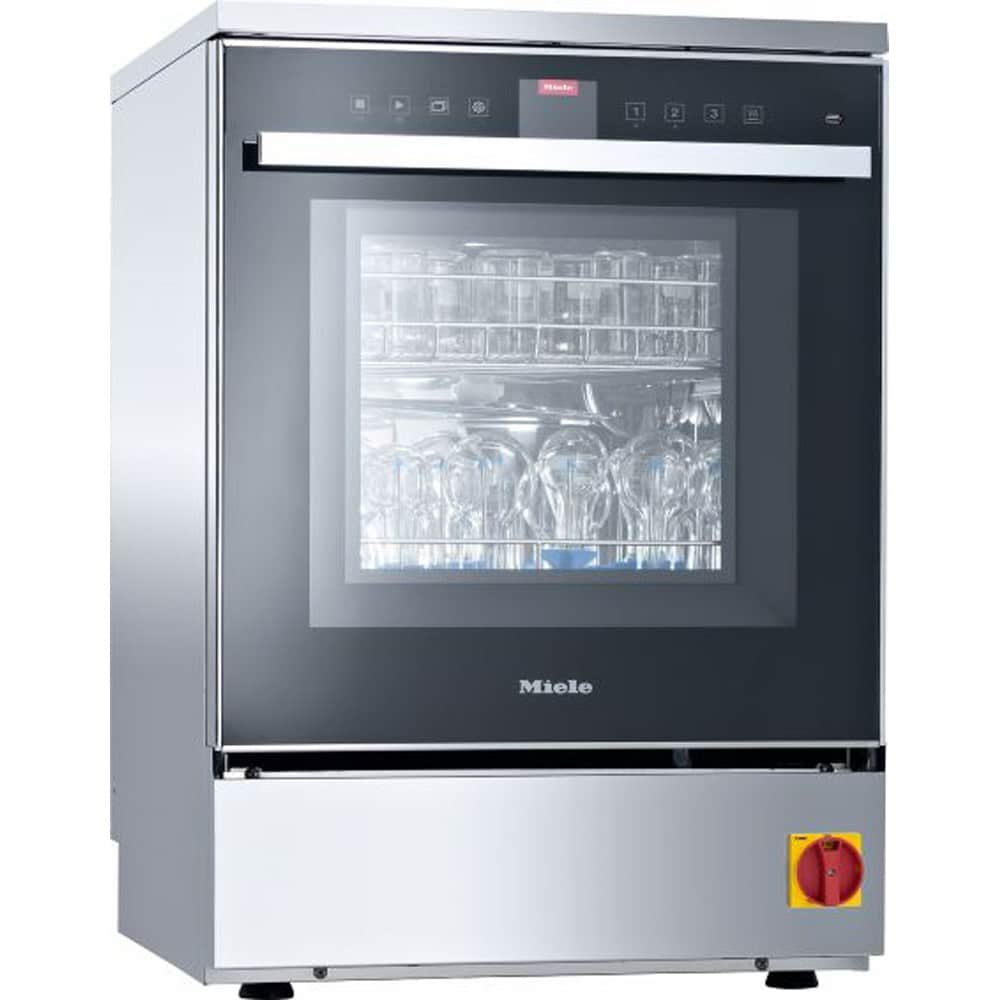
The Miele Laboratory Glassware Washer PLW-8505 is a compact undercounter laboratory washer designed for reliable, repeatable cleaning of glassware in research, clinical, educational, and industrial lab environments. Built for labs that need consistent wash performance without sacrificing floor space, this model combines a 151-liter chamber, flexible program selection, and a robust stainless-steel wash cabinet for demanding daily use. It supports multiple utilities, including cold water, hot water, and demineralized water connections, making it well suited for glassware, narrow-neck bottles, pipettes, and other lab instruments that require thorough decontamination and residue removal.
One of the biggest advantages of the Miele Laboratory Glassware Washer PLW-8505 is its balance of footprint and performance. The unit is designed for 115V operation at 20A, which simplifies installation in many North American lab settings, while its nine-program control system and visible display help users standardize cleaning workflows. Key technical highlights include a maximum rinse temperature of up to 93°C, integrated dispenser pumps for detergent and neutralizing agent, and a full-glass door that improves visibility during operation. Labs often choose this model for routine glassware cleaning, microbiology workflows, and analytical sample prep support where documentation, repeatability, and sanitation matter.
Estimated pricing for the Miele Laboratory Glassware Washer PLW-8505 typically falls in the professional equipment range, often from roughly $15,000 to $30,000+ depending on configuration, accessories, installation requirements, and dealer support. Availability is generally through authorized laboratory equipment distributors and Miele Professional sales channels rather than consumer retail. For labs comparing compact washers, this model is often evaluated against undercounter alternatives from other professional brands based on cycle flexibility, utility connections, and service support.
Key Specifications of the Miele PLW 8505
- Chamber volume: 151 L
- Electrical supply: AC 115V, 60Hz, 20A
- Total rated load: 1.6 kW
- Maximum rinse temperature: up to 93°C
- External dimensions: approximately 33 1/2 in H x 23 5/8 in W x 24 7/8 in D
- Water connections: cold water, hot water, and demineralized water
- Integrated pumps: detergent and neutralizing agent
- Control system: 9-program selection with visible display
Troubleshooting the Miele Laboratory Glassware Washer PLW-8505
Common issues with the Miele Laboratory Glassware Washer PLW-8505 usually involve water supply, drainage, loading errors, or detergent delivery rather than major hardware failures. If the washer does not start, check the door latch, power connection, breaker, and water shutoff valves. If cleaning results are poor, inspect spray arms, filters, basket loading, detergent concentration, and water hardness settings. If water remains in the chamber after a cycle, confirm that the drain hose is not kinked and that the drain line is clear. Error messages on professional lab washers often indicate a serviceable condition such as insufficient water pressure, heating issues, or blocked drainage, so the display message should be documented before restarting the machine.
Preventive maintenance is the best way to avoid downtime. Clean filters regularly, keep the spray system unobstructed, use validated cleaning agents, and check water quality to stay within the recommended hardness range. Routine inspection of hoses, seals, and dispenser pumps also helps extend service life. Warranty coverage and support are generally handled through Miele Professional service channels and authorized dealers. For assistance in North America, Miele Professional customer support is commonly reached at 800-991-9380 for product guidance, service coordination, and installation help. If the problem persists, schedule a technician visit rather than forcing a reset, especially if the unit shows repeated heating, pump, or water-level errors.
Pros & Cons of the Miele Laboratory Glassware Washer PLW-8505
Pros
- Compact undercounter design saves valuable lab floor space.
- Strong cleaning performance for narrow-neck glassware, bottles, and general labware.
- Multiple utility connections support more flexible wash routines.
- Integrated detergent and neutralizer pumps improve workflow consistency.
- 9-program selection helps laboratories standardize different load types.
- Good fit for labs needing a professional washer with a manageable power requirement.
Cons
- Higher upfront cost than bench-top or entry-level lab washers.
- Requires proper plumbing, drainage, and electrical preparation before installation.
- Accessories, baskets, and cleaning agents may add significant total cost.
- May be more machine than small labs need if wash volume is low.
- Compared with some larger alternatives, chamber capacity is modest.
For value for money, the Miele Laboratory Glassware Washer PLW-8505 is strongest in labs that need dependable daily use and reproducible results. Compared with lower-cost alternatives, it offers better professional integration and sanitation-focused design, but buyers should budget for installation and accessories.
Customer Reviews of the Miele PLW 8505
User feedback for the Miele PLW 8505 is generally positive, with many lab managers praising its cleaning consistency, compact footprint, and reliable cycle performance. Common ratings cluster around 4.5 out of 5 stars for laboratories that use it frequently and maintain it properly. Typical praise includes comments such as, “It cleaned our glassware more evenly than our old washer,” and “The programs are easy to standardize for different users.”
Frequent complaints focus on installation complexity, the need for compatible plumbing, and the added cost of baskets and accessories. Some users also note that long-term performance depends heavily on water quality and routine maintenance. A common recommendation is to purchase from an authorized dealer and confirm service support before installation. For labs that prioritize professional results over lowest purchase price, the Miele Laboratory Glassware Washer PLW-8505 is often considered a smart investment.
Frequently Asked Questions About the Miele Laboratory Glassware Washer PLW-8505
- What is the Miele Laboratory Glassware Washer PLW-8505 used for? It is used for cleaning laboratory glassware, bottles, and other reusable lab instruments.
- Does it require special installation? Yes, it needs proper electrical, water, and drain connections.
- Is it suitable for small labs? Yes, its undercounter design makes it a good fit where space is limited.
- Where can support be obtained? Support is typically available through Miele Professional and authorized dealers.
Faqs
How do I set up the miele Laboratory Glassware Washer PLW-8505 for the first time in a lab environment?
What water quality and utility requirements should I check before installing the miele Laboratory Glassware Washer PLW-8505?
Why is the miele Laboratory Glassware Washer PLW-8505 leaving residue or spots on glassware, and how can I fix it?
Can the miele Laboratory Glassware Washer PLW-8505 handle different lab glassware sizes and delicate items safely?
What should I do if the miele Laboratory Glassware Washer PLW-8505 is not starting or the cycle stops unexpectedly?
How do I choose the best wash program on the miele Laboratory Glassware Washer PLW-8505 for heavily soiled laboratory items?
How often should the miele Laboratory Glassware Washer PLW-8505 be cleaned and maintained for reliable performance?
What are the best troubleshooting steps if the miele Laboratory Glassware Washer PLW-8505 is not drying glassware properly?
More miele manuals
Leave a Comment