
Setup: Miele Labortary Glassware Washer PLW-8505 User Manual
Content
Miele Labortary Glassware Washer PLW-8505: Complete Product Manual and Buyer Guide
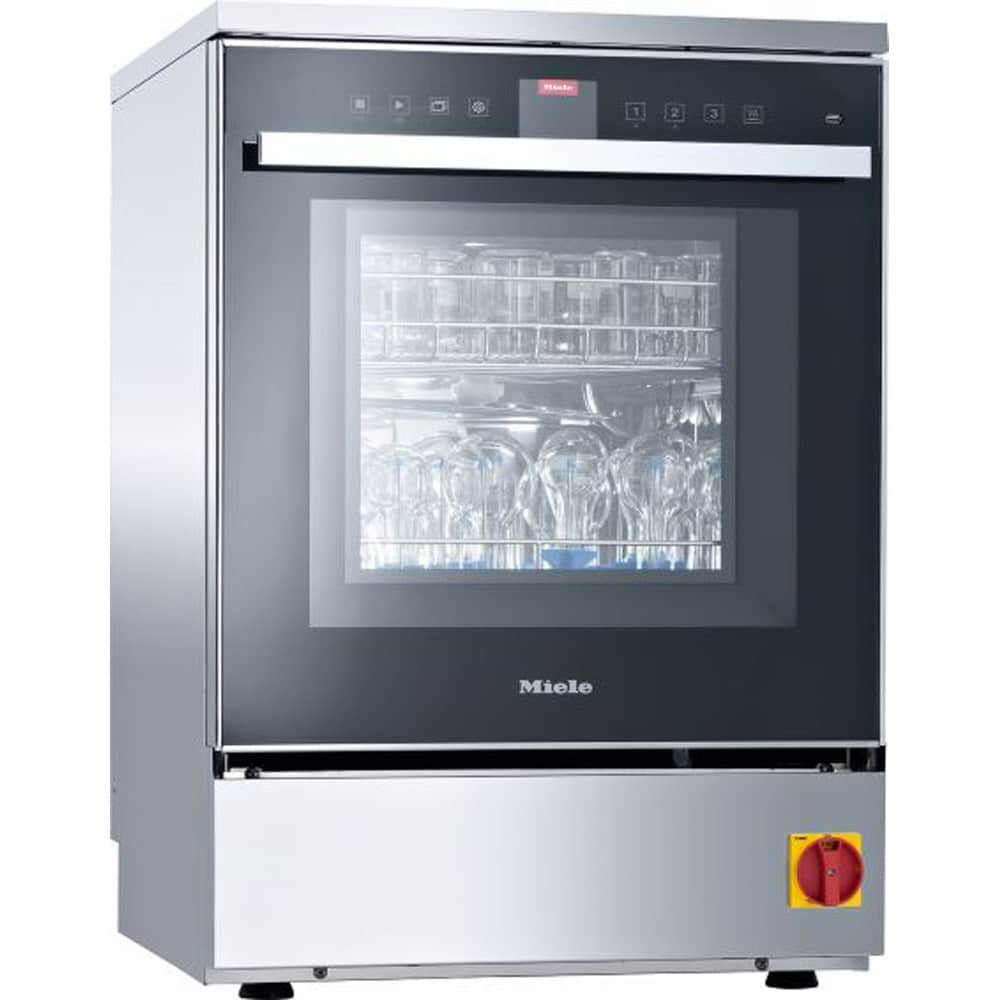
The Miele Labortary Glassware Washer PLW-8505 is a compact undercounter laboratory washer designed for fast, repeatable cleaning of glassware, lab utensils, and narrow-neck vessels. Built for schools, universities, research labs, quality-control rooms, and facilities that need dependable daily washing, it combines a stainless-steel wash chamber, a full-glass door, integrated dispensing pumps, and a steam condenser in a space-saving 115V platform. For labs replacing handwashing, this model offers a major workflow upgrade by improving consistency, reducing labor, and supporting cleaner, safer reprocessing of contaminated glassware.
One of the main advantages of the miele Labortary Glassware Washer PLW-8505 is its plug-and-play 115V design, which makes installation simpler than many larger commercial lab washers. It supports hot, cold, and demineralized water connections, and its 9-program control system helps users match wash intensity to different load types. The washer is especially useful for labs that process flasks, bottles, test tubes, and other narrow-neck glassware, with capacity for up to 39 pieces per cycle in standard narrow-neck applications and higher throughput with injector accessories. The slim undercounter footprint makes it a strong fit for facilities with limited room, while the modern interface and visible display improve daily operation.
Availability is generally through laboratory equipment distributors and authorized Miele Professional resellers. The estimated price range for the Miele Labortary Glassware Washer PLW-8505 is typically in the premium laboratory appliance category, often starting around the mid five-figure range depending on baskets, injectors, installation, and service packages. That makes it best suited for buyers who value validated cleaning performance, long service life, and professional support rather than the lowest upfront cost.
Technical Specifications for Miele PLW-8505 Laboratory Glassware Washer
- Type: Undercounter laboratory glassware washer
- Electrical: AC 115V, 60Hz, 20A
- Total rated load: 1.6 kW
- Heater: 1.0 kW
- Dimensions: 33 1/2 in H x 23 5/8 in W x 24 7/8 in D
- Wash chamber volume: 151 L
- Construction: Stainless-steel interior with full-glass door
- Water connections: Cold water, hot water, demineralized water, and drain hose
- Dispensing: Two integrated dispenser pumps
- Programs: 9 selectable wash programs
- Capacity example: Up to 39 narrow-neck laboratory glassware items per cycle
Troubleshooting Guide for the Miele Labortary Glassware Washer PLW-8505
If the washer does not start, first confirm that the unit has power, the door is fully closed, and the 20A circuit is available. If cleaning results are poor, check spray arms, injector positioning, detergent level, and water supply pressure. If the unit shows an error code, the most common causes are blocked water intake, drain issues, door latch problems, or chemistry dosing interruptions.
- Door will not lock: Remove any obstruction, clean the latch area, and close the door firmly.
- Poor cleaning performance: Confirm correct basket loading, clean filters, and verify detergent and neutralizer dosing.
- Water not filling: Check supply valves, plumbing connections, and inlet filters.
- Drain failure: Inspect the drain hose for kinks or clogs and make sure the drain path is unobstructed.
- Visible residue on glassware: Use the correct wash program and confirm the demineralized water supply is connected.
For preventive maintenance, rinse debris from filters regularly, inspect spray arms, run approved descaling or cleaning cycles, and keep dispenser pumps filled with compatible chemistry. Error codes may vary by configuration and region, so users should refer to the service display and operating manual for the exact code meaning. Warranty coverage is typically one year from the manufacturer, with extended protection often available through distributors. For help, contact Miele Professional support or your authorized local service partner; in the United States, Miele Professional sales and support are commonly reached through the company’s main professional contact channels, including its customer service line and regional sales team.
Pros and Cons of the Miele PLW-8505 Laboratory Glassware Washer
Pros
- Compact undercounter footprint, ideal for space-constrained labs and classrooms.
- 115V plug-and-play operation simplifies installation compared with higher-voltage systems.
- Stainless-steel interior and steam condenser support professional lab hygiene.
- Two integrated dispenser pumps improve dosing consistency for detergent and neutralizer.
- Strong value for labs needing dependable daily cleaning rather than a large-capacity central washer.
- Flexible for glassware, bottles, flasks, and other narrow-neck lab items.
Cons
- Premium pricing makes it less suitable for budget-limited buyers.
- Accessory baskets and injectors may add significant extra cost.
- Single-unit capacity is smaller than large chamber or pass-through alternatives.
- Best performance depends on proper water quality, chemistry, and installation.
- Less ideal for high-volume industrial labs that need maximum throughput.
Compared with larger laboratory washer alternatives, the miele Labortary Glassware Washer PLW-8505 is best for smaller facilities that want reliable cleaning in a compact form factor. It is stronger on convenience and footprint than many bulkier systems, but heavy-use labs may find a medium or large chamber washer more cost-effective over time.
Customer Reviews of Miele PLW-8505 Glassware Washer
Customer feedback for the Miele Labortary Glassware Washer PLW-8505 is generally positive, especially among school labs and research teams that need a reliable replacement for handwashing. Average sentiment is often around 4.5 out of 5 stars, with users praising its cleaning consistency, quiet operation, and easy-to-read display. A typical testimonial sounds like: “It cleaned our flasks and bottles far more consistently than manual washing, and the undercounter size fit perfectly.”
Common complaints focus on the high purchase price, the added cost of accessories, and the need for proper setup to get the best results. Some users also mention that performance is only as good as the basket loading and water supply quality. Buyers who prioritize durability, support, and repeatable cleaning usually recommend it, while those shopping for the lowest-cost glassware washer often look at simpler alternatives.
Overall, it is a strong choice for labs that want a professional-grade washer with dependable everyday performance and long-term usability.
Frequently Asked Questions About the Miele Labortary Glassware Washer PLW-8505
- What is the PLW-8505 used for? It is designed for washing laboratory glassware and utensils with water-based media.
- How many items can it wash? It can process up to 39 narrow-neck items per cycle, depending on load configuration.
- Does it need special power? It operates on 115V, 60Hz, 20A power.
- Is it suitable for schools? Yes, it is commonly used in schools, colleges, universities, and similar laboratories.
- Does it support demineralized water? Yes, it includes a demineralized water connection for final rinsing.
Faqs
How do I set up the miele Labortary Glassware Washer PLW-8505 for first-time use in a lab?
What should I do if the miele Labortary Glassware Washer PLW-8505 is not cleaning glassware properly?
Which laboratory glassware is compatible with the miele Labortary Glassware Washer PLW-8505?
How can I optimize wash cycles on the miele Labortary Glassware Washer PLW-8505 for heavy soil loads?
Why is the miele Labortary Glassware Washer PLW-8505 showing a drain or water supply problem?
How often should I maintain the miele Labortary Glassware Washer PLW-8505 to keep it reliable?
What installation requirements should I check before using the miele Labortary Glassware Washer PLW-8505?
How do I reduce drying spots and streaks on glassware after using the miele Labortary Glassware Washer PLW-8505?
More miele manuals
Leave a Comment