
Monogram 36-Series Built-In Refrigerator User Manual
Content
Monogram 36-Series Built-In Refrigerator: Premium Built-In Cooling for Luxury Kitchens
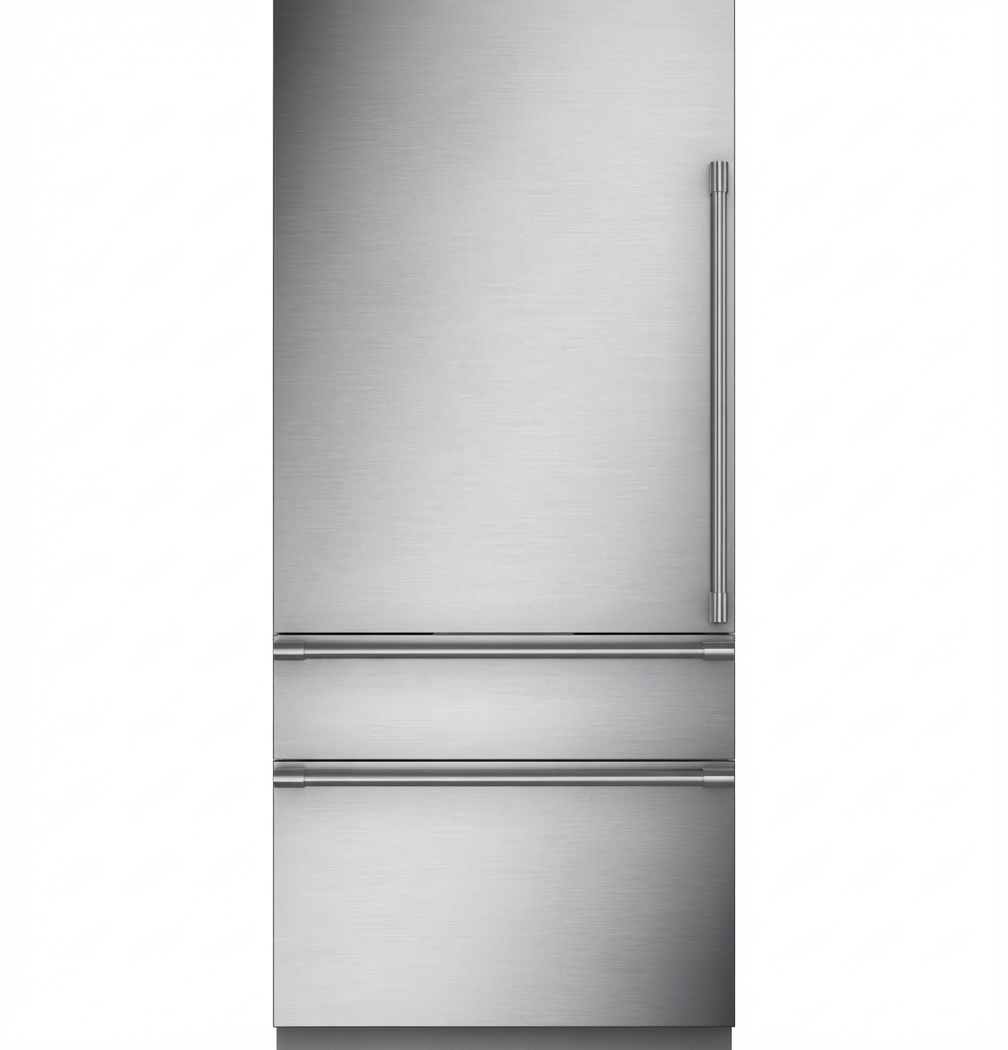
The Monogram 36-Series built-in refrigerator is a premium, panel-ready cooling solution designed for homeowners who want a seamless, custom kitchen look without sacrificing performance. Built for flush or standard installation, this refrigerator class is known for its integrated styling, precise temperature control, and high-end storage flexibility. The Monogram 36-Series built-in refrigerator is especially popular in luxury remodels, chef-inspired kitchens, and homes that prioritize both design continuity and food preservation.
Key advantages include a built-in footprint, customizable door panel compatibility, soft-close storage components, bright LED interior lighting, and advanced freshness features that help keep produce, meats, and dairy at ideal conditions. Depending on the exact configuration, buyers can choose French-door, bottom-freezer, or all-refrigerator styles, making the line versatile for different layouts and storage needs. The 36-inch width also makes it a strong fit for standard high-end kitchen cabinet spaces while maintaining a professional appearance.
Target users include homeowners, designers, builders, and renovation professionals looking for a premium built-in refrigerator with a refined finish and reliable daily performance. Use cases range from family kitchens and entertaining spaces to custom homes where a hidden, integrated appliance is preferred. Typical pricing for the Monogram 36-Series built-in refrigerator generally falls in the luxury range, often around $8,000 to $12,000 or more depending on model, finish, and retailer availability. Because pricing and inventory vary widely, buyers should expect limited availability through specialty appliance dealers and major kitchen appliance retailers.
Specifications and Key Features of the Monogram 36-Series Built-In Refrigerator
- Width: 36 inches nominal, with many models measuring about 35 3/4 inches actual width.
- Height: Typically around 83 1/2 to 84 1/2 inches depending on the model and installation.
- Depth: Counter-depth built-in profile, commonly around 24 3/4 to 25 7/8 inches.
- Capacity: Common total capacity ranges from about 20.1 to 20.6 cubic feet.
- Configuration: Available in French-door, side-by-side, bottom-freezer, and all-refrigerator styles.
- Installation: Designed for standard or flush inset installation with panel-ready compatibility on select models.
- Interior layout: Adjustable glass shelves, full-extension freezer drawers, deli drawers, and humidity-controlled crisper storage.
- Lighting: LED or GE Reveal-style interior lighting for improved visibility.
- Electrical: Commonly 115V, 60Hz, 20A.
- Controls: Upfront electronic controls with filter-change indicators on many variants.
- Convenience features: Sabbath Mode, door alarm, smart-capable options on select models, and soft-close storage components.
- Comparison: Compared with standard 36-inch freestanding refrigerators, the Monogram built-in model offers a more seamless cabinet-integrated appearance, deeper custom design flexibility, and a higher-end materials package. Compared with other luxury built-in brands, it competes closely on styling and storage, while often emphasizing panel customization and premium presentation.
Troubleshooting Common Problems with the Monogram 36-Series Built-In Refrigerator
If the refrigerator is not cooling properly, first check the temperature settings, confirm the door is sealing tightly, and make sure air vents inside the cabinet are not blocked by food containers. Dirty condenser coils can also reduce cooling performance, so routine cleaning is important. If the unit is making unusual noise, inspect for leveling issues, loose items inside drawers, or contact between the appliance and surrounding cabinetry.
Common alerts may include filter-change reminders, open-door alarms, or temperature warning indications on the control panel. If an error code appears, the best first step is to power-cycle the unit, verify airflow, and check the owner’s guide for the exact code meaning. Water or ice issues often relate to inlet supply problems, clogged filters, or frozen lines. Preventive measures include replacing water filters on schedule, keeping door gaskets clean, vacuuming condenser coils, and avoiding overpacking shelves.
Warranty coverage for many Monogram built-in refrigerators includes a limited parts and labor period, with extended coverage for sealed refrigeration system components on qualifying models. For support, contact GE Appliances/Monogram customer service through the official support channels or the authorized dealer where the product was purchased. For installation or service-related help, schedule work through an authorized Monogram service provider to protect warranty eligibility.
Pros and Cons of the Monogram 36-Series Built-In Refrigerator
Pros
- Luxury built-in design: Creates a seamless, custom look that blends into high-end cabinetry.
- Flexible configuration options: Multiple styles make it easier to match kitchen layouts and storage needs.
- Premium storage features: Adjustable shelving, deli drawers, and full-extension freezer drawers improve everyday use.
- Panel-ready styling: Ideal for homeowners who want a fully integrated appliance facade.
- Strong brand positioning: A solid choice for upscale remodels and custom homes.
Cons
- High price point: The Monogram 36-Series built-in refrigerator costs significantly more than standard counter-depth refrigerators.
- Installation complexity: Requires precise cabinet planning, adequate electrical service, and professional installation.
- Limited availability: Specialty ordering is often necessary, which can increase lead times.
- Repair costs: Premium parts and service can be more expensive than mainstream alternatives.
- Value for money: Best value comes from design-conscious buyers; budget-focused shoppers may prefer a less expensive built-in or counter-depth model.
Compared with alternatives from Sub-Zero, Thermador, or Bosch, the Monogram line is often chosen for its balance of luxury presentation and kitchen integration rather than for the absolute highest-end preservation system. For buyers prioritizing style, panel customization, and a polished built-in look, it is a compelling option.
Customer Reviews for the Monogram 36-Series Built-In Refrigerator
Overall customer sentiment is typically strong, with many owners giving the Monogram 36-Series built-in refrigerator around 4 to 4.5 stars out of 5. Users frequently praise the elegant appearance, quiet operation, and the way the appliance disappears into custom cabinetry. A common positive comment is that the interior feels bright, organized, and easy to use for everyday family storage.
Frequent complaints tend to focus on installation cost, long delivery times, and the premium price of replacement parts or service. Some buyers also mention that the refrigerator requires careful setup to perform at its best. One typical customer comment is: “It completely transformed the kitchen and looks built-in in the best way possible.” Another common note is: “Beautiful appliance, but the install and service process required patience.”
Purchase recommendation: choose this model if design integration, luxury appeal, and premium features matter more than upfront cost. If you want a built-in refrigerator with a high-end finish, the Monogram 36-Series built-in refrigerator is a strong contender. If your priority is maximum value, a counter-depth alternative may be a better fit.
Faqs
How do I set up the Monogram 36-Series Built-In Refrigerator for the first time?
What should I check if my Monogram 36-Series Built-In Refrigerator is not cooling enough?
Why is my Monogram 36-Series Built-In Refrigerator making unusual noise?
How do I optimize temperature and humidity settings on a Monogram 36-Series Built-In Refrigerator?
What clearance and installation requirements does the Monogram 36-Series Built-In Refrigerator need?
How do I troubleshoot a Monogram 36-Series Built-In Refrigerator that is not making ice?
How often should I clean and maintain the Monogram 36-Series Built-In Refrigerator?
What are the best ways to improve energy efficiency on a Monogram 36-Series Built-In Refrigerator?
More monogram manuals
- Monogram ZIS36NY Built-In Refrigerator User Manual
- Setup: Monogram ZGU650 Gas Cooktop User Manual
- Monogram ZV750 Stainless Steel Vent Hood User Manual
- Monogram Professional 30-Series Gas Range User Manual
- Installation: Monogram ZBD3500 Dishwasher User Manual
- Monogram ZMC1090 Series Built-In Microwave User Manual
Leave a Comment