
Nexsys Lithium-Ion Industrial Battery System User Manual
Content
Nexsys Lithium-Ion Industrial Battery System: Complete Product Manual and Buyer Guide
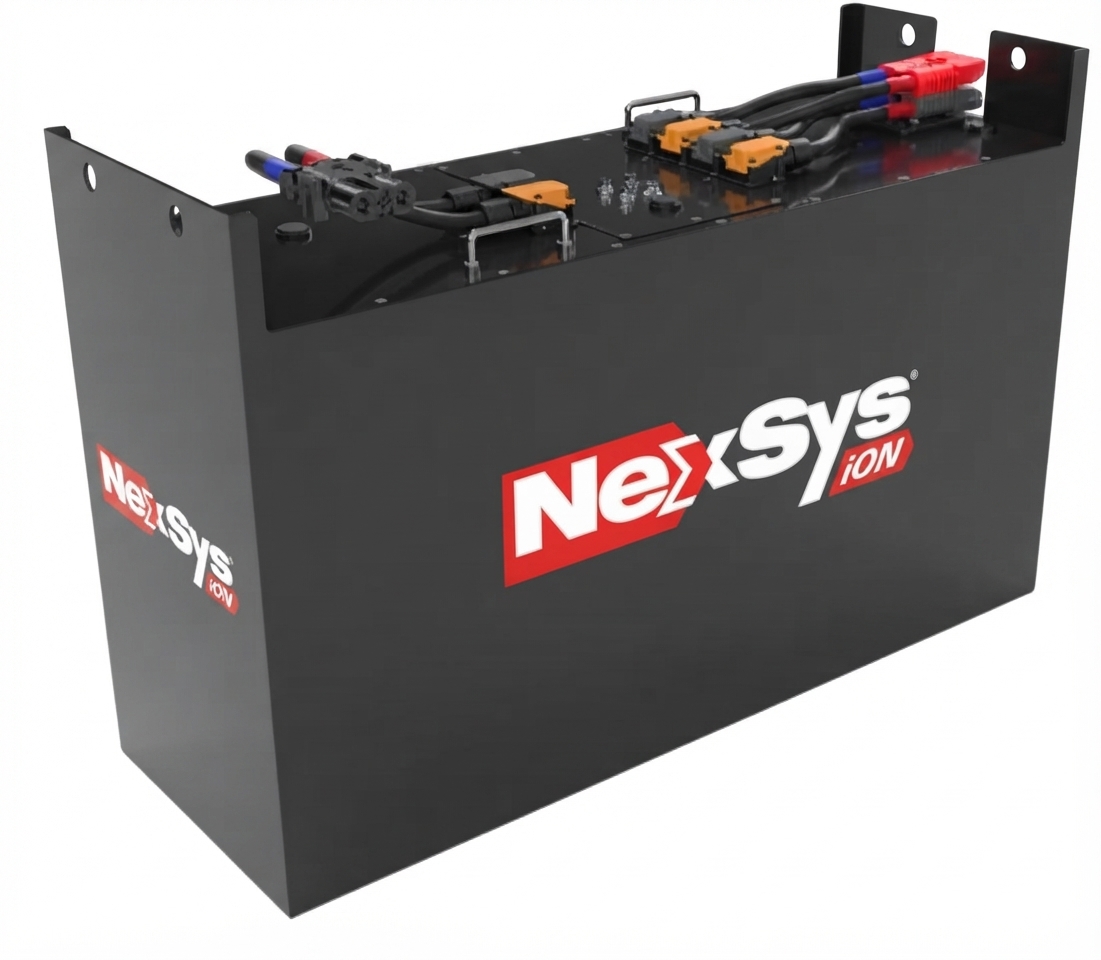
The nexsys Lithium-Ion Industrial Battery System is designed for demanding warehouse, logistics, and material-handling operations that need reliable power, fast charging, and low maintenance. Built for forklifts, pallet trucks, automated guided vehicles, floor-care equipment, and ground support applications, it combines lithium-ion efficiency with integrated battery management for safer and more consistent performance. A key advantage is its scalable design, which lets businesses match battery capacity and voltage to the exact needs of a fleet while minimizing downtime and reducing total cost of ownership.
This system stands out for its opportunity-charging capability, high state-of-charge retention, and fully integrated battery management controls. It is especially useful for multi-shift operations where equipment must return to service quickly between breaks. The product line supports a wide range of industrial use cases, from light-duty warehouse vehicles to heavy-duty 24/7 operations. Estimated pricing varies by configuration, voltage, and capacity, but typical industrial-grade units can range from about $1,000 to well over $10,000 depending on size, charger package, and fleet requirements. Availability is generally through authorized industrial battery distributors and direct enterprise sales channels.
Detailed Specifications for Nexsys Lithium-Ion Industrial Battery System
- Battery chemistry: Lithium-ion with advanced industrial cell architecture
- Voltage range: Approximately 24V to 80V depending on model
- Capacity range: Roughly 185Ah to 1110Ah in U.S. standard configurations
- Communication: CAN bus connectivity for battery monitoring and fleet integration
- Management system: Integrated Battery Management System for safety, diagnostics, and performance control
- Charging: Supports fast charging and opportunity charging for multi-shift use
- Use cases: Forklifts, pallet trucks, AGVs, floor-cleaning machines, and ground support equipment
- Protection rating: Certain models are rated to IP54 for improved dust and splash resistance
- Operating advantage: Designed for high energy throughput and reduced downtime versus lead-acid systems
Compared with traditional lead-acid batteries, the nexsys Lithium-Ion Industrial Battery System delivers faster charging, less maintenance, and higher usable energy in a smaller footprint. It also compares favorably with many standard lithium forklift batteries because of its scalable configuration options and built-in connectivity.
How to Set Up the Nexsys Lithium-Ion Industrial Battery System
Start by confirming that the battery model matches the vehicle voltage, tray dimensions, and connector type. Install the unit in the equipment compartment securely and verify that all power connections are clean, tight, and correctly polarized. If the system includes a compatible charger, connect it only after reviewing the voltage and charge profile recommendations for the battery model.
For connectivity, use the CAN bus interface or supported communication link if your fleet software or monitoring platform requires it. Configuration may include setting charge limits, viewing state-of-charge data, and enabling firmware or diagnostic updates on supported units. Always use approved chargers and follow the recommended charging sequence. If the battery does not power on, confirm the main disconnect position, charger compatibility, and cable seating.
Safety warning: Do not open the battery enclosure, bypass the management system, or use non-approved charging equipment. Keep the unit dry, avoid impact damage, and follow lockout/tagout procedures during installation and maintenance.
Troubleshooting the Nexsys Lithium-Ion Industrial Battery System
Common issues usually relate to charging, communication, or incorrect setup. If the battery does not charge, check for charger mismatch, loose connections, or an active fault on the battery management system. If runtime is shorter than expected, verify load demand, opportunity charging habits, and whether the battery was sized correctly for the application.
- No charge response: Confirm charger output, connector engagement, and battery readiness state.
- Low runtime: Reduce load peaks, review duty cycle, or consider a higher-capacity configuration.
- Communication fault: Inspect CAN bus wiring, terminals, and fleet monitoring settings.
- Overtemperature warning: Allow the battery to cool and verify ambient operating conditions.
- Reduced performance: Check for improper charge habits or outdated system settings.
Preventive care includes routine connector inspection, correct charger pairing, and keeping the system within its recommended operating temperature range. Warranty and support are typically handled through the manufacturer or authorized channel partner, with enterprise service options available for fleet customers. For help, contact the selling distributor, industrial battery service provider, or the official customer support line listed on the product documentation.
Pros and Cons of the Nexsys Lithium-Ion Industrial Battery System
Pros
- Fast charging supports opportunity charging and multi-shift productivity.
- Integrated battery management improves safety and diagnostic visibility.
- Scalable capacity options make fleet matching easier.
- Lower maintenance than flooded lead-acid batteries.
- Strong fit for warehouse fleets, AGVs, and heavy-duty operations.
Cons
- Higher upfront cost than traditional lead-acid batteries.
- Requires compatible chargers and proper system pairing.
- Advanced features may need fleet training and setup support.
- Replacement and servicing are usually best handled through authorized channels.
For businesses comparing lithium forklift batteries, this system offers strong value for money when uptime, charging speed, and long-term operating costs matter more than initial price. It is especially attractive for fleets replacing older lead-acid systems or standardizing energy management across multiple vehicles.
Customer Reviews of the Nexsys Lithium-Ion Industrial Battery System
Users frequently praise the fast charging, stable power output, and reduced maintenance burden. Many warehouse managers describe the system as a practical upgrade for high-utilization fleets, especially when equipment needs to stay in service across multiple shifts. Typical praise includes better battery uptime, easier scheduling, and less battery-room dependency.
Common complaints focus on the initial cost, the need for proper charger compatibility, and the learning curve during deployment. Average user sentiment is often around 4.5 out of 5 stars, with buyers recommending it for businesses that can take advantage of opportunity charging and data-driven fleet management. One typical testimonial is: “It cut our downtime dramatically and simplified daily operations.” Another common note is: “Great performance, but make sure the charger and battery are matched correctly.”
Faqs
How do I set up the nexsys Lithium-Ion Industrial Battery System for first-time use?
What should I do if the nexsys Lithium-Ion Industrial Battery System is not charging properly?
Which equipment is compatible with the nexsys Lithium-Ion Industrial Battery System?
How does the battery management system help the nexsys Lithium-Ion Industrial Battery System perform better?
How can I optimize runtime and charging speed on the nexsys Lithium-Ion Industrial Battery System?
Why is my nexsys Lithium-Ion Industrial Battery System showing reduced power or shutdowns under load?
What maintenance does the nexsys Lithium-Ion Industrial Battery System require?
Can the nexsys Lithium-Ion Industrial Battery System be used for multi-shift warehouse operations?
More nexsys manuals
Leave a Comment