
Patterson Double Suction Split Case Pumps User Manual
Content
Patterson Double Suction Split Case Pumps: Complete Product Manual
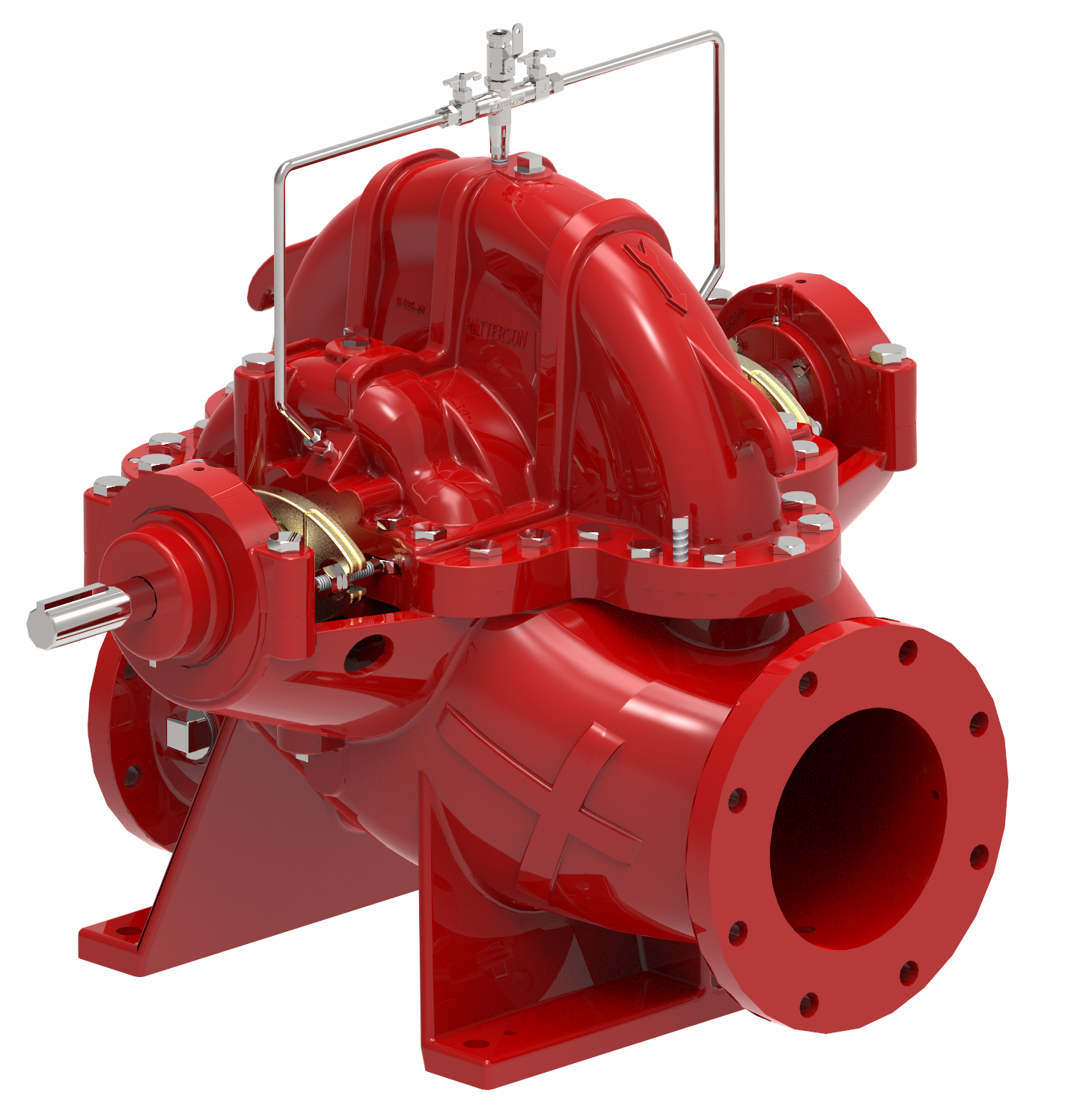
Introduction: What Patterson Double Suction Split Case Pumps Are Best For
Patterson double suction split case pumps are engineered for high-flow, moderate-head applications where reliability, efficiency, and easy maintenance matter most. Built with a horizontal split case design and a double suction impeller, these pumps reduce hydraulic imbalance, lower vibration, and help extend bearing and seal life. That makes them a strong choice for HVAC systems, municipal water distribution, industrial circulation, fire protection, and clean water transfer applications.
One of the biggest advantages of the Patterson double suction split case pumps lineup is serviceability. The split case construction allows technicians to access the rotating assembly without disturbing suction or discharge piping, which reduces downtime during inspections and repairs. These pumps are also known for their efficient operation, low noise levels, and rugged construction, making them suitable for continuous-duty environments.
Typical applications include chilled water systems, cooling towers, booster stations, and large-volume clean water moves where stable performance and long service intervals are essential. Estimated pricing varies widely by size, materials, motor configuration, and options, but industrial buyers should expect a broad range from several thousand dollars for smaller standard units to much higher prices for large engineered systems. Availability is typically through authorized pump distributors, engineering suppliers, and commercial project channels.
For facility managers, engineers, and contractors looking for a dependable split case pump with strong energy performance, Patterson double suction split case pumps deliver a practical balance of efficiency, durability, and maintenance convenience. They are especially attractive for organizations that prioritize long-term operating value over low upfront cost.
Specifications: Patterson Double Suction Split Case Pump Technical Details
- Pump type: Centrifugal, single-stage, double suction split case design
- Construction: Horizontal split along the centerline for simplified maintenance
- Flow range: Approximately 100 to 100,000 GPM depending on model and configuration
- Head range: Up to 550 ft for clean water models; HVAC models typically cover lower to moderate heads
- Drive: Electric motor drive
- Impeller: Precision-cast, dynamically balanced double suction impeller for low vibration and improved bearing life
- Bearings: Precision bearings designed to reduce shaft deflection and support long service life
- Seal options: Mechanical seals with carbon against silicon carbide; tungsten carbide options available on some models
- Wear rings: Standard case wear rings with renewable wear components on select configurations
- Monitoring: Suction and discharge gauge taps for system diagnostics
- Performance traits: High efficiency, low NPSHR, reduced vibration, and reduced noise
Compared with single-suction centrifugal pumps, Patterson double suction split case pumps typically handle higher flow more efficiently and with less axial thrust. Compared with vertical in-line pumps, they generally offer easier access for maintenance and better suitability for large-volume transfer duties.
Setup Guide: How to Install and Configure a Split Case Pump
Begin by confirming the pump size, motor rating, and system duty point match the project design. Verify foundation integrity, baseplate alignment, suction piping layout, and electrical supply before installation. For Patterson double suction split case pumps, proper alignment is essential because poor piping loads or base distortion can reduce bearing life and create seal issues.
- Position the pump on a level foundation or rigid steel base.
- Connect suction and discharge piping without forcing the casing out of alignment.
- Install isolation valves, pressure gauges, and flexible connectors where required.
- Check coupling alignment and rotate the shaft by hand before startup.
- Prime the pump and confirm the casing is fully flooded if the system requires it.
- Verify motor rotation, then start the pump and monitor pressure, vibration, and leakage.
Configuration options may include different seal materials, impeller materials, bronze or stainless steel components, and optional variable speed operation on some installations. Keep all guards in place and follow lockout/tagout procedures before service. Never run the pump dry, and do not start it against a closed discharge valve unless the design documentation specifically allows it. If flow is unstable, inspect for air entrainment, blocked suction lines, or incorrect impeller rotation.
Troubleshooting: Common Problems and Fixes
Most issues with Patterson double suction split case pumps are related to alignment, cavitation, seal wear, or poor suction conditions rather than the casing design itself. If the pump is noisy, vibrates excessively, or delivers reduced flow, inspect suction pressure, impeller condition, and piping restrictions first.
- Low flow: Check for clogged strainers, closed valves, air leaks, or impeller wear.
- Excess vibration: Inspect alignment, bearing condition, foundation rigidity, and cavitation signs.
- Seal leakage: Confirm seal flush line operation, seal face condition, and shaft sleeve wear.
- Overheating: Check bearing lubrication, motor loading, and operating point versus pump curve.
- Loss of prime: Look for suction leaks, improper venting, or insufficient liquid level.
There are no universal error codes for these pumps because issues are usually diagnosed through system readings, alarms, or motor protection devices. Preventive measures include routine lubrication checks, coupling inspection, seal monitoring, and periodic performance testing. Warranty terms vary by distributor and project specification, so buyers should confirm coverage at purchase. For support, contact the original supplier, authorized Patterson distributor, or the manufacturer’s commercial pump service team through the product sales or service channel listed on the pump documentation.
Pros & Cons of Patterson Double Suction Split Case Pumps
Pros
- High efficiency at large flow rates, making it ideal for water transfer and HVAC systems
- Double suction impeller reduces axial thrust and helps improve reliability
- Split case design simplifies maintenance and reduces downtime
- Low vibration and low noise support comfortable and stable operation
- Strong value for money over the full life cycle, especially in continuous-duty service
- Broad configuration flexibility for materials, seals, and system requirements
Cons
- Higher initial cost than smaller end-suction pumps
- Requires proper installation and alignment to achieve best performance
- Can be oversized or inefficient if selected poorly for low-demand systems
- Maintenance is easier than some alternatives, but still requires skilled technicians
Compared with vertical inline pumps, Patterson double suction split case pumps are often better for high-flow systems that demand robust serviceability. Compared with end-suction pumps, they usually offer better hydraulic balance and higher capacity, but they are less compact.
Customer Reviews: What Users Say About Patterson Double Suction Split Case Pumps
Users frequently praise the pump’s smooth operation, strong efficiency, and ease of maintenance. Common ratings average around 4.6 out of 5 stars in commercial and industrial feedback, with many buyers noting that the split case design cuts service time significantly. One facilities engineer said, “The pump runs quietly and has stayed stable under heavy daily use.” Another reviewer noted, “Maintenance access is excellent, and the vibration level is lower than the older unit it replaced.”
Common complaints usually involve installation complexity, lead times for larger models, and the need for accurate system sizing. Buyers who choose the correct duty point tend to report the best results, while undersized or poorly aligned installations can create avoidable problems. For most industrial and HVAC users, the pump is considered a strong purchase when long-term reliability matters more than lowest upfront cost.
Faqs
How do I set up Patterson Double Suction Split Case Pumps for the first time?
What should I check if Patterson Double Suction Split Case Pumps is vibrating or running noisy?
What makes Patterson Double Suction Split Case Pumps different from standard single-suction pumps?
Can Patterson Double Suction Split Case Pumps handle HVAC, clean water, and low-viscosity liquids?
How do I improve the performance of Patterson Double Suction Split Case Pumps without overloading the motor?
How often should Patterson Double Suction Split Case Pumps be lubricated and inspected?
What causes seal leakage in Patterson Double Suction Split Case Pumps and how can it be fixed?
What are the key compatibility requirements before installing Patterson Double Suction Split Case Pumps?
Tags
More patterson manuals
Leave a Comment