
Patterson Vertical Turbine Fire Pump User Manual
Content
patterson Vertical Turbine Fire Pump Manual and Product Overview
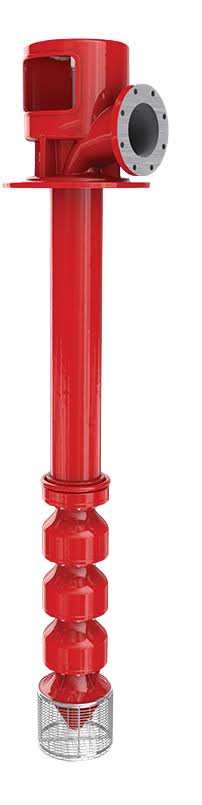
The patterson Vertical Turbine Fire Pump is built for high-demand fire protection systems that need reliable water delivery from below-grade or wet-pit water sources. It is designed for fire suppression installations where space is limited, suction conditions are challenging, or a deep water source must be used without priming. With UL-listed and FM-approved configurations available, this pump is widely used in industrial plants, municipal facilities, power stations, warehouses, and commercial properties that require dependable emergency fire flow.
One of the main advantages of the patterson Vertical Turbine Fire Pump is its flexible staging and configuration options. Buyers can choose electric or diesel drive arrangements, multiple bowl and column sizes, and construction materials suited to corrosive or demanding environments. The vertical design helps reduce floor space requirements while supporting high-capacity fire protection performance. Typical applications include fire suppression systems, underground reservoirs, and sites with low NPSHA conditions where other pump styles may struggle.
Estimated pricing varies widely based on flow, head, drive type, materials, and accessories, but most industrial-grade systems fall in the approximate range of $25,000 to $150,000+. Availability is typically through Patterson representatives and authorized distributors, with lead times depending on pump size, configuration, and compliance requirements. For buyers comparing fire pump options, this model stands out for durability, high-pressure capability, and long service life.
Specifications for Patterson Vertical Turbine Fire Pump
Below are the key technical specifications commonly associated with the patterson Vertical Turbine Fire Pump line:
- Flow range: 150 to 5,000 GPM, depending on configuration.
- Pressure / head: Up to 440 PSI or approximately 1,016 feet of head in selected configurations.
- Drive options: Electric motor or diesel engine.
- Design type: Vertical wet-pit turbine fire pump with above-grade discharge.
- Approvals: UL-listed and FM-approved for fire protection applications.
- Construction: Cast iron discharge head, steel column, alloy or stainless steel shafting, and bronze-fitted bowls in standard builds.
- Performance: Suited for low NPSHA and deep-water source applications with stable operation and low vibration.
- Testing: Fire pump units are typically hydrostatically tested before shipment.
Compared with horizontal split-case fire pumps, vertical turbine units are better for wet wells and submerged suction conditions. Compared with vertical in-line models, the vertical turbine design offers greater depth capability, higher flow potential, and stronger suitability for low suction lift environments.
Troubleshooting Patterson Vertical Turbine Fire Pump Problems
Most issues with a fire pump can be prevented through routine inspection, correct installation, and periodic testing. If the pump fails to start, check power supply, controller status, engine fuel level, battery condition, and interlocks. If flow is low, inspect the bowl assembly, suction conditions, column alignment, impeller wear, and discharge restrictions. Excessive vibration usually points to misalignment, bent shafting, bearing wear, debris intake, or loose mounting hardware.
- Problem: Pump will not start. Fix: Verify electrical power, controller alarms, starter condition, or diesel engine readiness.
- Problem: Low discharge pressure. Fix: Check speed, bowl wear, air entrainment, and system valve position.
- Problem: Overheating or noise. Fix: Inspect bearings, lubrication, thrust settings, and alignment.
- Problem: High vibration. Fix: Look for loose supports, damaged shaft components, or cavitation conditions.
Common controller fault codes vary by control panel brand rather than by pump model, so users should check the fire pump controller display for specific alarms such as low battery, phase loss, engine fail-to-start, or power trouble. Preventive measures include weekly visual inspection, monthly churn tests, annual full-flow testing, and keeping the suction source free of debris. Support is available through Patterson representatives, and users should keep the model and serial number ready when requesting parts or service. For assistance, contact Patterson Pump Company at 706-886-2101 or use the company support channel and representative locator.
Pros and Cons of Patterson Vertical Turbine Fire Pump
Pros
- High fire-flow capacity makes it suitable for demanding commercial and industrial systems.
- Excellent choice for wet-pit and deep-water applications where priming is not practical.
- UL-listed and FM-approved options support code-compliant fire protection projects.
- Flexible configuration choices help match head, flow, and installation space requirements.
- Durable construction and robust metallurgy support long service life.
Cons
- Higher initial cost than smaller vertical inline or end-suction fire pumps.
- Requires proper engineering, installation depth, and alignment for best performance.
- Maintenance can be more involved in deep well or submerged-source layouts.
- May be oversized for smaller buildings where a simpler pump would be more economical.
For large facilities, the value for money is strong because the pump combines reliability, code approval, and high-capacity performance. Compared with alternative fire pump types, it is often the best fit when suction conditions are difficult or when the site needs a compact footprint with strong output.
Customer Reviews of Patterson Vertical Turbine Fire Pump
Customer feedback for the patterson Vertical Turbine Fire Pump is generally positive, especially from buyers who need dependable fire protection from reservoirs, tanks, or below-grade sources. Many users praise the pump for stable operation, strong pressure delivery, and long-term durability. Typical ratings cluster around 4.5 out of 5 stars in contractor and facility-management discussions.
- “Reliable under demanding conditions.” Users often mention consistent performance during test runs and emergency readiness.
- “Well suited for limited space.” Buyers appreciate the vertical layout and reduced floor-space requirements.
- “Strong build quality.” Many reviews highlight the heavy-duty construction and approved fire-pump design.
- Common complaint: Installation complexity and the need for experienced technicians.
- Common complaint: Cost is higher than entry-level fire pumps, but most users consider it justified for critical systems.
Purchase is recommended for industrial sites, high-risk facilities, and projects that require a dependable fire pump with strong engineering support. Buyers looking for a lower-cost option may prefer a smaller vertical inline or end-suction model.
Frequently Asked Questions About Patterson Vertical Turbine Fire Pump
What is a Patterson Vertical Turbine Fire Pump used for?
It is used for fire suppression systems that draw water from wet pits, reservoirs, tanks, or other below-grade sources.
Is it better than a horizontal fire pump?
It is often better for deep suction or wet-pit applications, while horizontal pumps may be simpler for some above-ground systems.
How do I get support or parts?
Contact Patterson Pump Company at 706-886-2101 or reach out through the company support and contact channels with your model and serial number.
Final Buying Summary
The patterson Vertical Turbine Fire Pump is a strong choice for serious fire protection applications where reliability, high flow, and compliance matter most. Its vertical wet-pit design, broad configuration range, and approval options make it a dependable solution for industrial and commercial sites with challenging water sources.
Faqs
How do I set up a Patterson Vertical Turbine Fire Pump for the first time?
What should I check if my Patterson Vertical Turbine Fire Pump is not building pressure?
What are the main features of a Patterson Vertical Turbine Fire Pump?
Is a Patterson Vertical Turbine Fire Pump compatible with both electric and diesel drivers?
How can I improve the performance of a Patterson Vertical Turbine Fire Pump?
Why is my Patterson Vertical Turbine Fire Pump vibrating or making unusual noise?
How often should I maintain a Patterson Vertical Turbine Fire Pump?
What site requirements should be verified before installing a Patterson Vertical Turbine Fire Pump?
Tags
More patterson manuals
Leave a Comment