
Philips Sonicare 5500 Electric Toothbrush User Manual
Content
Philips Sonicare 5500 Electric Toothbrush Manual and Product Guide
Introduction
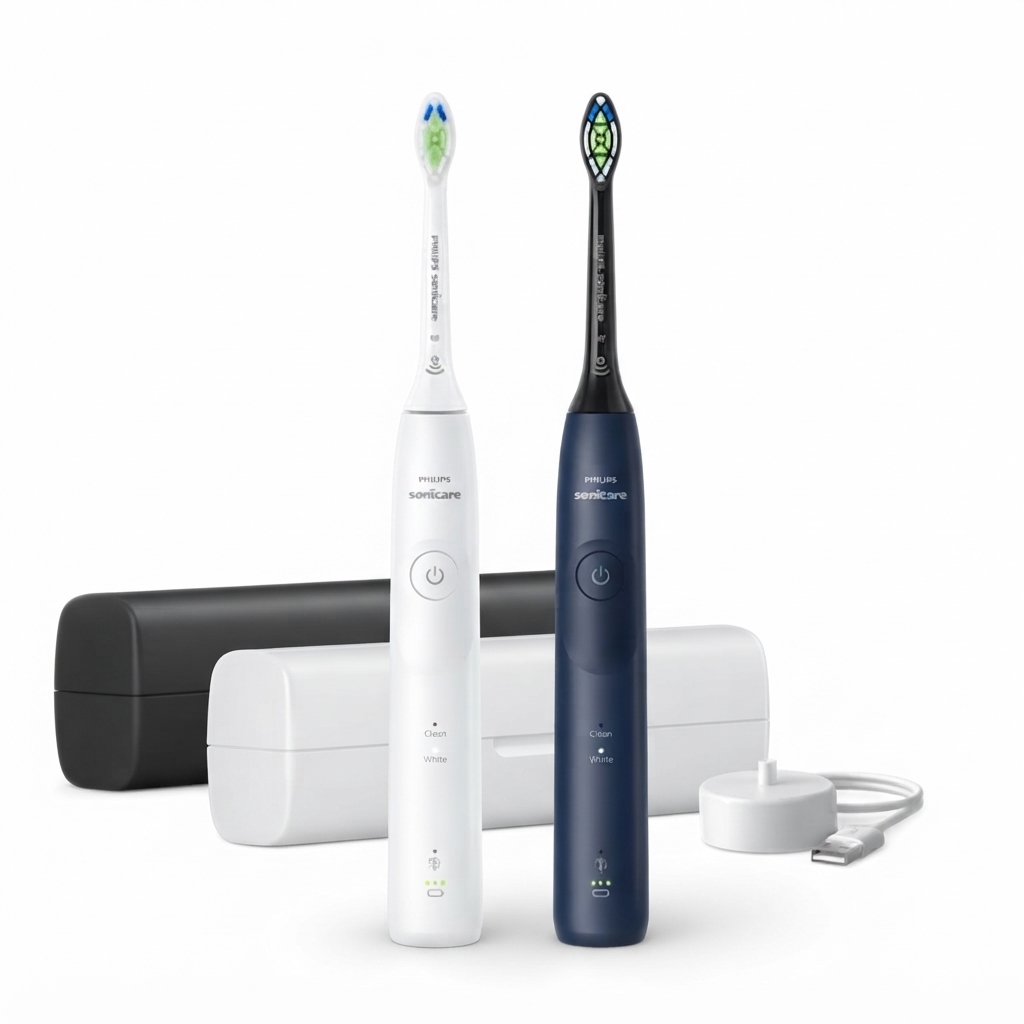
The Philips Sonicare 5500 Electric Toothbrush is a rechargeable sonic toothbrush designed for everyday plaque removal, gentle gum care, and stain reduction. It uses high-speed sonic brushing technology, delivering up to 62,000 brush movements per minute for a deep clean while remaining easy to use for beginners and experienced electric toothbrush users. Key features typically include two brushing modes, pressure sensing, a SmarTimer, BrushPacer guidance, EasyStart for gradual power increase, and a rechargeable lithium-ion battery that can last up to 21 days on a full charge.
This model is a strong fit for adults who want a reliable mid-range electric toothbrush with useful coaching features and travel-friendly battery life. It is especially useful for people who brush too hard, want better plaque control, or are looking for a simple upgrade from a manual brush. The Philips Sonicare 5500 Electric Toothbrush is commonly sold as a single-handle or duo-pack configuration, with prices generally ranging from budget-friendly entry pricing around the high £60s to premium bundle pricing around £130 to £150, depending on region and retailer. Availability is broad through major online stores and official Philips channels, with color and bundle variations affecting price.
Troubleshooting
If the toothbrush does not turn on, first check whether the battery needs charging and confirm the charger is connected properly. If the handle powers on but feels weak, the brush head may be loose, worn out, or not attached correctly. If the pressure warning activates often, reduce brushing force and let the sonic motion do the work. A flashing battery indicator usually means the battery is low or charging is in progress.
Common error codes are uncommon on this model, since it does not rely on a complex digital display. If the handle behaves unpredictably, reset it by removing it from the charger, detaching the brush head, and reconnecting after a short pause. Preventive care helps avoid most issues: rinse and dry the handle after use, replace brush heads regularly, and avoid overcharging or exposing the charger to water. Philips generally offers a 2-year limited warranty, and support is available through Philips customer service, the official support website, and authorized retailers. For help, use the contact options listed on the Philips regional support page or the retailer’s service desk.
Pros and Cons of the Philips Sonicare 5500 Electric Toothbrush
Pros
- Strong cleaning performance with high-frequency sonic brushing for better daily plaque removal.
- Two modes make it easy to switch between everyday cleaning and whitening-focused brushing.
- Pressure sensor and EasyStart are helpful for users transitioning from a manual toothbrush.
- Long battery life makes it practical for travel and shared bathrooms.
- Good value for users who want premium features without paying top-tier flagship prices.
Cons
- Fewer modes and smart features than more expensive Philips Sonicare models.
- Travel bundle and dual-pack pricing can be noticeably higher than the single-handle version.
- Replacement brush heads add ongoing cost.
- Some users may prefer the broader app-connected features found in alternative premium models.
Overall, the Philips Sonicare 5500 Electric Toothbrush offers solid value for money if you want dependable sonic cleaning, simple controls, and a comfortable brushing experience. It compares well with basic Oral-B models for convenience and battery life, while competing with other Sonicare models through its balance of price and useful everyday features.
Customer Reviews
Customer feedback for the Philips Sonicare 5500 Electric Toothbrush is generally positive, with many users rating it around 4.5 out of 5 stars for cleaning power, comfort, and battery life. Praise often focuses on the gentle feel of the brush, the helpful pressure alert, and the long runtime between charges. One common testimonial theme is that teeth feel smoother after just a few days of use.
Frequent complaints usually involve the cost of replacement brush heads and the higher price of some bundles. Some users also mention that the improvement over entry-level Sonicare models may feel incremental rather than dramatic. Recommended for buyers who want a dependable everyday electric toothbrush with strong cleaning results, easy setup, and a travel-friendly battery. If you want app tracking or advanced customization, a higher-end alternative may be a better fit.
Faqs
How do I set up philips Sonicare 5500 Electric Toothbrush for the first time?
Why is my philips Sonicare 5500 Electric Toothbrush turning off during brushing?
How do I choose the right brushing mode on philips Sonicare 5500 Electric Toothbrush?
What toothbrush heads are compatible with philips Sonicare 5500 Electric Toothbrush?
How can I stop philips Sonicare 5500 Electric Toothbrush from feeling too strong on my gums?
What should I do if philips Sonicare 5500 Electric Toothbrush is not charging?
How often should I replace the brush head on philips Sonicare 5500 Electric Toothbrush?
What is the best way to clean and maintain philips Sonicare 5500 Electric Toothbrush?
More philips manuals
Leave a Comment