
How to Use: Pti Circular Saws User Manual
Content
pti Circular Saws: Complete Product Manual and Buying Guide
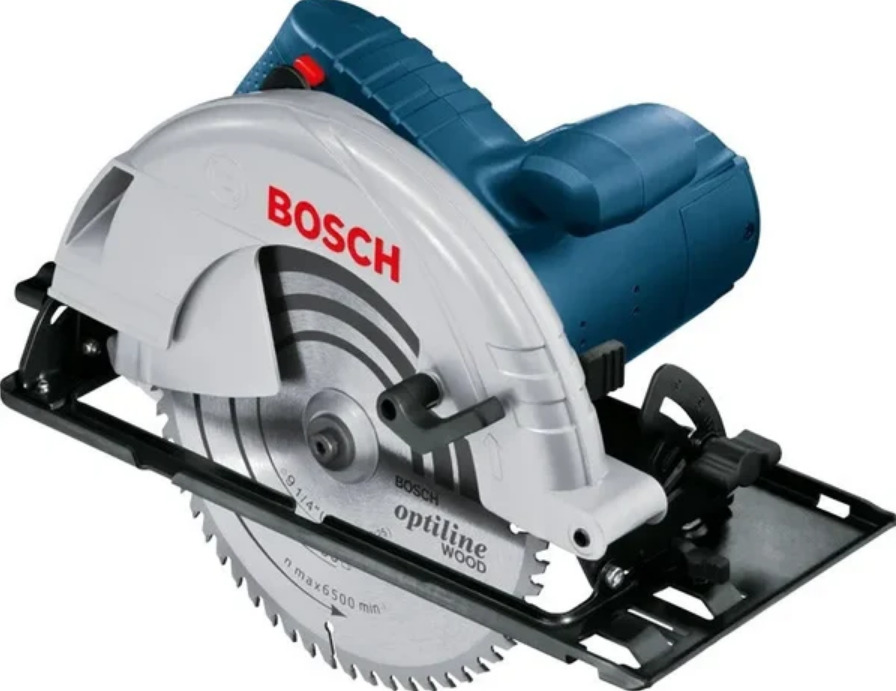
pti Circular Saws are versatile cutting tools designed for woodworking, light construction, and general DIY projects. They are built to deliver fast, accurate straight cuts in plywood, lumber, sheet goods, and similar materials, making them a practical choice for both professionals and home users. Popular models in the lineup include corded options with blade diameters around 185 mm, high no-load speeds, and strong motor output for dependable cutting performance.
One of the main benefits of pti Circular Saws is their balance of cutting power, portability, and ease of use. Many users appreciate features such as adjustable cutting depth, bevel cutting support, and protective safety switches that help reduce accidental startup. These saws are especially useful for carpentry, furniture assembly, renovation work, and on-site trimming tasks. If you need a reliable circular saw for repeated straight cuts without moving to a full table saw setup, pti Circular Saws offer strong everyday value.
The brand is typically positioned in the budget-to-midrange segment, with estimated prices often falling between affordable entry-level and mid-tier tool categories depending on motor power, battery system, and included accessories. Availability is generally strongest through tool retailers, online marketplaces, and regional distributor networks. For buyers comparing compact saws, corded saws, and battery-powered models, pti Circular Saws provide a competitive option for users who want practical performance without premium pricing.
Specifications for pti Circular Saws
- Motor power: Common corded models are available around 1250W to 1400W for consistent cutting performance.
- Blade diameter: Typical blade size is 185 mm, suitable for general-purpose carpentry and construction cuts.
- No-load speed: Reported speeds range from about 4800 rpm to 5500 rpm, supporting smoother crosscuts and rip cuts.
- Voltage: Corded versions are commonly designed for 220V, 50Hz input.
- Cut depth: Models in this class can reach up to about 60 mm at 90 degrees, depending on blade setup and material.
- Bevel adjustment: Many versions support angled cutting for miters and beveled edges.
- Safety features: Look for blade guards, lock-off switches, and secure depth levers.
- Weight and portability: Most units are designed for handheld use and jobsite mobility.
Compared with premium contractor saws, pti Circular Saws generally prioritize value and everyday usability over advanced electronics or ultra-refined dust management. Compared with basic entry-level saws, they usually offer stronger motor output and better cutting depth, making them a smart middle-ground choice.
Setup Guide: How to Set Up pti Circular Saws Safely
Before first use, inspect the saw body, blade, power cord, and guard mechanism for damage. Install a compatible circular saw blade with the teeth facing the correct rotation direction and tighten it securely according to the tool’s blade-lock procedure. Set the cutting depth so the blade extends only slightly beyond the material thickness, which improves control and reduces kickback risk.
Next, adjust the bevel angle if you need angled cuts, and verify that all levers are locked before powering on. For corded models, connect to a stable power source with the correct voltage. For battery-powered versions, fully charge the battery pack and ensure it clicks firmly into place. Always test the saw on scrap material first to confirm alignment and cut quality.
Troubleshooting tip: if the blade binds, check for dull teeth, wrong depth settings, or poorly supported material. Safety warning: always wear eye protection, keep both hands on the saw, and secure the workpiece with clamps. Never remove the saw from a cut while the blade is still rotating.
Troubleshooting pti Circular Saws
Common issues with pti Circular Saws are usually caused by blade wear, incorrect setup, or unstable power supply. If the saw will not start, check the outlet, cord, switch lock, and battery condition if applicable. If the motor runs but the cut is rough, the blade may be dull, the wrong blade type may be installed, or the cutting speed may be too aggressive for the material.
- Problem: Saw overheats during use. Fix: Reduce feed pressure, let the motor cool, and use the correct blade for the material.
- Problem: Excessive vibration. Fix: Tighten the blade, inspect for bent teeth, and check that the workpiece is fully supported.
- Problem: Blade does not cut straight. Fix: Recheck fence or guide alignment and make sure the base plate sits flat.
- Problem: Guard sticks. Fix: Clean sawdust buildup and inspect the spring mechanism.
There are no widely standardized error codes for most pti Circular Saws, so diagnosis is typically mechanical and electrical rather than digital. Preventive care includes cleaning dust after each session, checking blade sharpness, and storing the saw in a dry place. Warranty coverage and support options vary by seller and region, so keep your proof of purchase and contact the retailer or authorized distributor for service help.
Pros & Cons of pti Circular Saws
Pros
- Strong value for money in the entry-to-midrange circular saw category.
- Useful cutting depth for common woodworking and renovation tasks.
- Simple controls and practical design make it easy for beginners to learn.
- Good speed ratings for clean cuts in plywood, boards, and framing lumber.
- Solid option for users who want a dependable saw without paying premium brand prices.
Cons
- May lack advanced features found on higher-end cordless saws.
- Dust collection and vibration control can be basic on some models.
- Performance can vary by model, especially across different motor and blade sizes.
- Battery-powered versions may need extra investment in spare batteries and chargers.
For buyers comparing circular saws, pti Circular Saws are often a stronger value choice than ultra-low-cost imports, while remaining more affordable than premium contractor tools. They are best suited for users who want reliable everyday performance rather than specialized heavy-duty features.
Customer Reviews of pti Circular Saws
Customer feedback for pti Circular Saws is generally centered on affordability, straightforward operation, and respectable cutting power. Many users give them around 4 out of 5 stars for home projects and light professional use, especially when the saw is matched with the correct blade.
Common praise includes smooth straight cuts, comfortable handling, and good performance for the price. A frequent testimonial style comment is: “It does the job well for plywood and framing work, and the depth adjustment is easy to use.” Common complaints usually mention vibration, average dust control, or the need to replace the factory blade for cleaner finishes.
Overall, pti Circular Saws are a sensible purchase for DIY users, carpenters, and contractors who need an affordable handheld circular saw for frequent cutting tasks. Buyers who want premium refinement, ultra-quiet operation, or advanced cordless technology may prefer higher-priced alternatives.
Faqs
How do I set up pti Circular Saws for the first time?
Why does my pti Circular Saws blade bind or slow down during cutting?
Which blade type should I use with pti Circular Saws for cleaner cuts?
How can I make pti Circular Saws cut straighter and more accurately?
Can pti Circular Saws handle thick hardwood or dense sheet materials?
What should I do if pti Circular Saws starts vibrating too much?
How do I maintain pti Circular Saws to keep it working smoothly?
What safety checks should I complete before using pti Circular Saws?
Tags
More pti manuals
Leave a Comment