
How to Use: Pti Impact Wrenches & Impact Drivers User Manual
Content
PTI Impact Wrenches & Impact Drivers: Complete Product Manual and Buying Guide
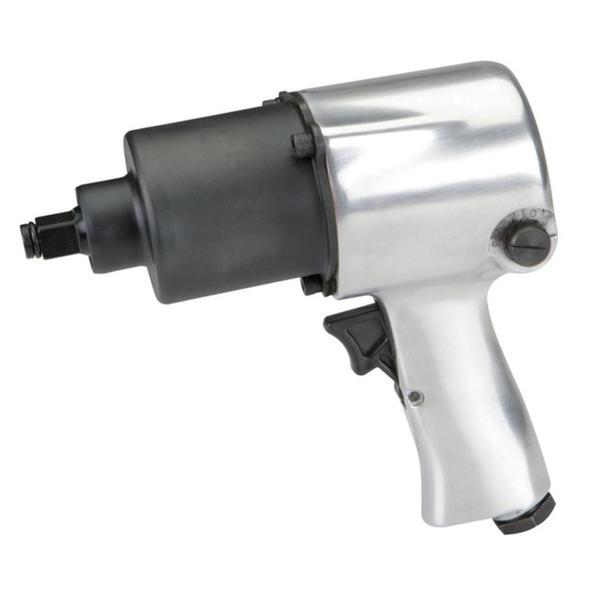
pti Impact Wrenches & Impact Drivers are built for fast fastening, high-torque removal, and reliable daily use in automotive, industrial, and maintenance environments. The PTI-branded lineup is typically associated with pneumatic impact tools designed to deliver strong torque output, rapid hammering action, and excellent durability for repeated shop use. For users who need dependable performance on stubborn lug nuts, suspension hardware, frame bolts, and general assembly tasks, these tools offer a practical balance of power, speed, and control.
One of the biggest advantages of pti Impact Wrenches & Impact Drivers is their versatility across light-duty and heavy-duty applications. Compact models are well suited for tire service and repair work, while larger drive sizes handle demanding bolting jobs in fleet maintenance and fabrication. Many models also feature pistol-grip ergonomics, variable-speed triggers, and reversible operation for easier fastening and loosening. In real-world use, that means faster turnaround time, reduced fatigue, and more consistent results compared with manual tools or basic ratchets.
Estimated pricing typically ranges from budget-friendly entry models to premium heavy-duty units, depending on drive size, torque class, and construction quality. Most PTI impact tools fall into the mid-range professional market, with availability commonly through industrial distributors, tool suppliers, and online parts retailers. For buyers comparing options, pti Impact Wrenches & Impact Drivers are most appealing when durability, air-tool reliability, and strong torque-to-weight performance matter more than extra smart features.
Technical Specifications and Key Performance Features
- Tool type: Pneumatic impact wrench and impact driver for tightening and loosening fasteners.
- Drive sizes: Commonly available in 3/8 in., 1/2 in., 3/4 in., and 1 in. configurations for different job sizes.
- Torque range: Entry and mid-range models can start near 300 ft-lbs, while heavy-duty versions exceed 1,000 ft-lbs of nut-busting torque.
- Free speed: Performance varies by model, with high-speed compact tools reaching up to about 15,000 RPM and larger units running at lower, torque-focused speeds.
- Impact rate: Many shop-grade units deliver strong blow counts for improved fastener removal under load.
- Weight: Lighter models improve overhead and repetitive-use comfort, while larger models trade weight for power.
- Air requirements: Most pneumatic versions require a stable air supply, typically around 90 PSI, with adequate airflow for peak output.
- Build features: Common features include pistol-grip handles, reversible triggers, pin or through-hole retainers, and compact housings for better access.
- Comparison: Compared with standard impact drivers, impact wrenches deliver much higher torque for bolts, lug nuts, and heavy assemblies; compared with cordless alternatives, pneumatic models often provide better continuous-duty performance.
How to Set Up pti Impact Wrenches & Impact Drivers
Before first use, confirm that the tool matches your intended application by checking drive size, torque rating, and socket compatibility. Select only impact-rated sockets and accessories, since standard chrome sockets can crack under repeated hammering. Inspect the air hose, coupler, inlet fitting, and trigger operation before connecting the tool to a compressor.
To set up the tool, attach the correct air fitting, apply a few drops of air tool oil into the inlet if required by the manufacturer, and connect the hose to a clean, regulated air supply. Set the compressor to the recommended pressure, usually around 90 PSI, and verify that airflow is sufficient for the tool’s demand. Test the forward and reverse switch, then run the tool briefly without load to confirm smooth operation. If the tool feels weak, check for air leaks, undersized hose diameter, clogged filters, or insufficient compressor output.
Safety matters at every step. Wear eye protection, hearing protection, and gloves. Keep hands clear of the rotating anvil, never use damaged sockets, and always disconnect the air supply before changing accessories. If the tool has a torque control or power regulator, start at a lower setting and increase only as needed for the task.
Troubleshooting pti Impact Wrenches & Impact Drivers
Common performance problems usually come from air supply issues, worn internals, or incorrect accessories. If the tool lacks power, first check compressor pressure, hose size, coupler restriction, and lubrication. A weak or inconsistent hammering action often points to low airflow, dirty vanes, or worn impact components. If the tool spins but does not strike properly, service may be needed on the hammer mechanism or anvil assembly.
- Problem: Low torque output. Fix: Increase air flow, inspect for leaks, and use a larger hose if needed.
- Problem: Tool runs but sounds irregular. Fix: Lubricate the inlet and check for internal wear or contamination.
- Problem: Socket slips off. Fix: Use the correct impact socket and confirm the retainer is secure.
- Problem: Overheating or poor runtime. Fix: Reduce continuous duty load and verify compressor performance.
- Problem: Air escaping from the handle. Fix: Replace seals or inspect fittings for damage.
Preventive maintenance includes daily oiling where recommended, draining compressor moisture, cleaning the air filter, and checking wear parts regularly. Warranty coverage and support options vary by seller and region, so retain your proof of purchase and model number. For help, contact the authorized distributor or the retailer’s customer support team listed on your invoice or product packaging.
Pros and Cons of pti Impact Wrenches & Impact Drivers
Pros
- High torque performance: Ideal for lug nuts, suspension work, and heavy-duty fastening.
- Professional durability: Pneumatic construction is well suited to shop and fleet environments.
- Good value for money: Strong performance per dollar compared with many premium cordless tools.
- Multiple drive sizes: Easier to match the tool to the job, from compact repair work to large bolting tasks.
- Fast continuous use: Excellent for repetitive jobs without battery swap delays.
Cons
- Requires compressed air: Not as convenient as cordless tools for mobile use.
- Noise and vibration: Impact action can be loud and fatiguing over long shifts.
- Needs maintenance: Air tools require lubrication and clean air to stay reliable.
- Compressor dependency: Performance drops if the air supply is undersized.
Compared with cordless impact wrenches and impact drivers, pti tools are often the better choice for continuous shop work, while battery-powered alternatives offer easier portability. For buyers prioritizing torque, longevity, and steady output, pti Impact Wrenches & Impact Drivers remain a strong practical option.
Customer Reviews and User Feedback on pti Impact Wrenches & Impact Drivers
Customer feedback on pti Impact Wrenches & Impact Drivers is generally positive, especially among mechanics and maintenance technicians who value strong breakaway power and dependable performance. Many users rate these tools around 4 to 5 stars for torque, build quality, and ease of use in demanding applications. A common praise point is fast removal of rusted or overtightened fasteners, which saves time in automotive and industrial repair work.
Frequent complaints usually focus on air consumption, noise, and the need for proper lubrication. Some buyers also mention that smaller compressors may limit performance on larger models. Still, most reviewers say the tools are worth the investment when matched correctly to the job. A typical recommendation is to choose a compact model for mobile service and a heavier-duty unit for shop-based work. For users comparing options, pti Impact Wrenches & Impact Drivers are often praised as reliable, no-nonsense tools for professionals who need dependable torque every day.
Faqs
How do I set up pti Impact Wrenches & Impact Drivers for the first time?
Why is my pti Impact Wrenches & Impact Drivers slipping or not gripping the fastener properly?
What’s the difference between pti Impact Wrenches & Impact Drivers, and when should I use each one?
Which sockets and bits are compatible with pti Impact Wrenches & Impact Drivers?
How can I get better torque and performance from pti Impact Wrenches & Impact Drivers?
What should I do if pti Impact Wrenches & Impact Drivers stops working suddenly?
How often should I maintain pti Impact Wrenches & Impact Drivers?
Can pti Impact Wrenches & Impact Drivers be used on automotive and construction jobs safely?
Tags
More pti manuals
Leave a Comment