
How to Use: Rheem Electric Water Heaters User Manual
Content
Introduction to Rheem Electric Water Heaters
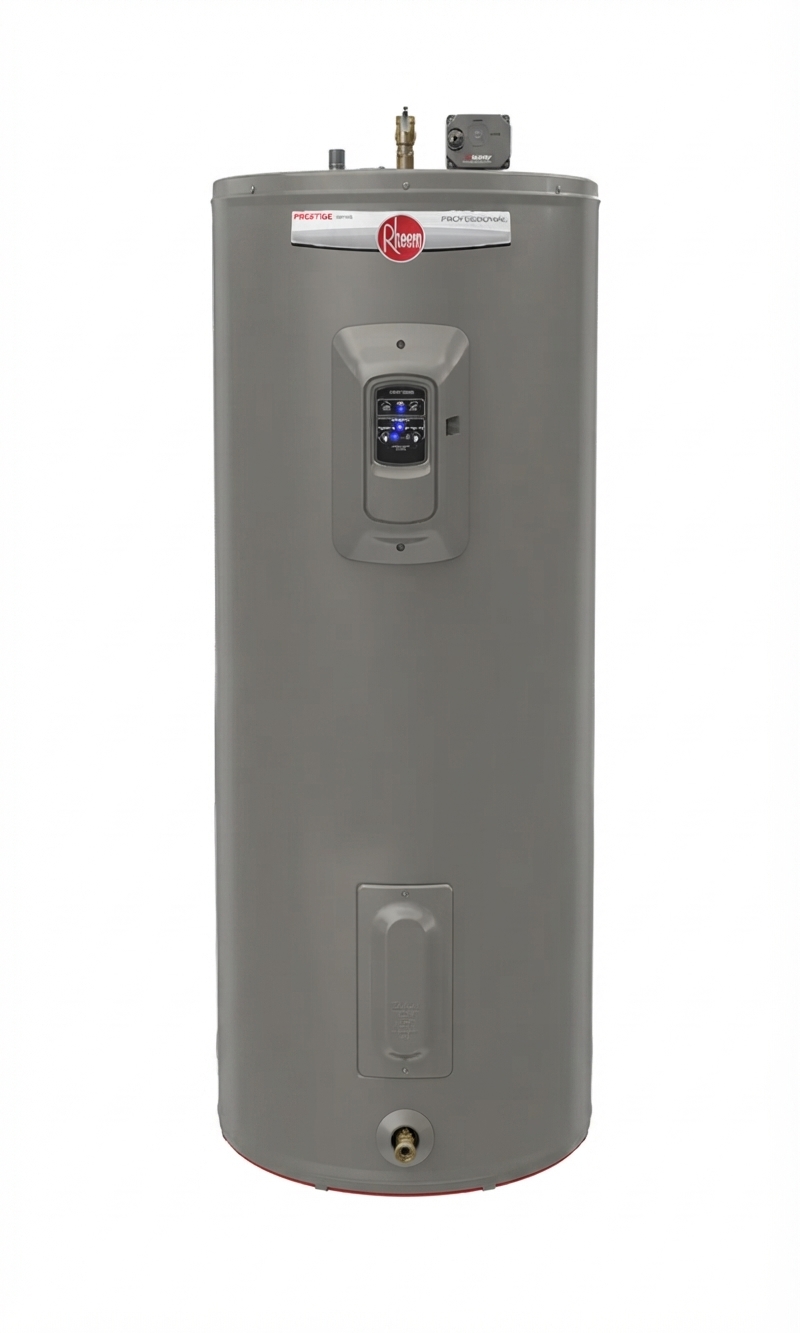
Rheem electric water heaters are a dependable choice for homeowners, landlords, and light commercial users who want consistent hot water, efficient operation, and a familiar tank or tankless configuration. The line includes standard tank models, high-efficiency electric water heaters, and tankless options, making it easier to match capacity and installation space to the needs of a house, apartment, or utility room. For many buyers, the main appeal is the balance of value, durability, and broad availability through major home-improvement retailers and plumbing supply channels.
These water heaters are commonly selected for replacement projects because they are straightforward to install in 240-volt electric setups, offer multiple tank sizes, and come in compact or standard footprints. Features such as double heating elements, self-modulating tankless heating, and enamel-lined tanks help improve performance and longevity. Many residential tank models also include multi-year warranty coverage, which adds peace of mind for everyday use.
Rheem electric water heaters are a strong fit for households that want reliable showers, laundry support, and dishwashing performance without the need for gas service. Typical pricing ranges from about $300 to $900 for many residential electric tank and tankless units, with premium models and larger-capacity systems costing more. Availability is strong in 2026, with widespread retail and online distribution for both standard replacement units and upgraded efficiency models.
Technical Specifications and Performance Overview
Key specifications for Rheem electric water heaters
- Power supply: 240 volt residential electric connection
- Heating elements: Commonly 4,500-watt dual-element tank designs
- Tank sizes: Popular capacities include 40, 47, 50, and 55 gallons
- Tankless options: Available in 8 kW to 27 kW residential models
- Flow rate on tankless units: Up to about 5.27 GPM depending on model and temperature rise
- First-hour delivery: Larger tankless and high-capacity models are designed for strong hot-water recovery
- Materials: Porcelain-enamel tank lining and insulated construction on many models
- Connections: Standard 3/4-inch water connections on many tank units
- Weight range: Approximate residential tank unit weight can exceed 130 pounds depending on size
- Warranty: Many residential Performance units include a 6-year warranty
Compared with basic entry-level electric water heaters, Rheem models often add stronger insulation, better recovery performance, and more installation-size choices. Compared with premium smart competitors, Rheem usually delivers excellent value for money, especially in standard tank formats. Tankless models save floor space, while traditional tank models remain simpler and often less expensive to maintain.
Setup Guide for Installing a Rheem Electric Water Heater
Before installation, confirm that the home has the correct electrical service, breaker size, and wiring gauge for the chosen model. Turn off power at the main panel and shut off the incoming water supply before beginning any work. For tank models, place the unit on a stable, level surface and verify that the drain pan and temperature-and-pressure relief valve are properly installed.
Step 1: Position the heater in the desired location with enough clearance for service access.
Step 2: Connect the cold-water inlet and hot-water outlet using approved fittings.
Step 3: Fill the tank completely before energizing the unit to prevent element damage.
Step 4: Connect the electrical supply according to the model’s voltage and amperage requirements.
Step 5: Set the thermostat to the desired temperature, typically around 120°F for everyday use.
Step 6: Restore power and test for leaks, proper heating, and normal water pressure.
For tankless models, verify flow activation, inlet water temperature, and breaker capacity before use. If the heater does not warm up, check for trapped air, loose wiring, or an incompletely filled tank. Safety warning: never power an electric water heater before it is fully filled with water, and always follow local code requirements or use a licensed installer when needed.
Troubleshooting Common Rheem Electric Water Heater Problems
One of the most common issues is no hot water. This is often caused by a tripped breaker, failed heating element, thermostat misadjustment, or an empty tank during startup. Reset the breaker, confirm the tank is full, and inspect temperature settings before assuming a major failure.
Another frequent complaint is lukewarm water. This may indicate sediment buildup, a partially failed element, or a thermostat that needs adjustment. Flushing the tank once or twice per year helps reduce mineral accumulation and improves efficiency.
- Problem: Water heats slowly — Solution: Check voltage, element condition, and sediment buildup
- Problem: Hot water runs out too quickly — Solution: Increase capacity or reduce simultaneous demand
- Problem: Tripped breaker — Solution: Inspect wiring, element shorts, and circuit sizing
- Problem: Leaking tank or fittings — Solution: Tighten connections or replace worn valves; tank leaks may require replacement
- Problem: Tankless unit shuts off — Solution: Verify flow rate, inlet temperature, and electrical supply
Some advanced units may display fault codes for overheating, low flow, or electrical issues. If the unit repeatedly faults, consult the owner’s manual or contact Rheem support. Warranty coverage on many residential models can help with eligible parts replacement, and local authorized service providers are often the fastest option for diagnosis. For help, use Rheem’s official customer support channels or work through the retailer where the heater was purchased.
Pros and Cons of Rheem Electric Water Heaters
Advantages
- Strong value for money in the residential water-heating market
- Wide range of tank sizes and tankless capacities
- Easy to find through major retailers and plumbing distributors
- Good fit for homes without gas service
- Many models include a solid warranty and widely available replacement parts
- Reliable performance for everyday showers, laundry, and kitchen use
Drawbacks
- Tank models need recovery time after heavy hot-water use
- Tankless models may require substantial electrical capacity
- Large units can be bulky and heavy to install
- Hard water can increase maintenance needs over time
- Cheaper alternatives may cost less upfront, but often sacrifice efficiency or durability
Overall, Rheem Electric Water Heaters compare well with similar brands because they combine practical features, good availability, and manageable ownership costs. For buyers who want dependable heating without premium pricing, the brand is a smart middle-ground choice.
Customer Reviews and Real-World Feedback
Average customer sentiment for Rheem electric water heaters is generally positive, with many users praising consistent hot water delivery, simple controls, and good replacement value. A common rating pattern is around 4 out of 5 stars for mainstream residential models. One homeowner noted that the unit “heats quickly and fit perfectly in the old closet space,” while another said, “installation was straightforward and the temperature stayed stable.”
Frequent complaints include occasional noise, limited recovery in high-demand households, and the need for occasional flushing in areas with hard water. Some users also mention that tankless electric models require careful electrical planning before purchase. Most buyers recommend these heaters for standard family use, apartment replacement, and utility-room retrofits where reliable hot water matters more than premium smart features.
Final Buying Guidance for Rheem Electric Water Heaters
Rheem electric water heaters are best for homeowners who want dependable daily performance, a familiar installation process, and strong retail availability. Choose a tank model for simpler replacement and lower upfront cost, or choose a tankless model if space savings and on-demand heating are a priority. For most households, the best results come from matching tank size, voltage, and demand profile before purchase.
Faqs
How do I set up rheem Electric Water Heaters for the first time?
Why is my rheem Electric Water Heaters not producing enough hot water?
What temperature should I set on rheem Electric Water Heaters for safe and efficient use?
How do I troubleshoot a rheem Electric Water Heaters unit that keeps tripping the breaker?
What maintenance does rheem Electric Water Heaters need to prevent sediment buildup?
Are rheem Electric Water Heaters compatible with high-demand households or multiple bathrooms?
Why does my rheem Electric Water Heaters make popping or rumbling noises?
How can I improve the energy efficiency of rheem Electric Water Heaters?
More rheem manuals
- Setup: Rheem RHS42 Water Softener User Manual
- How to Use: Rheem Water Heating Appliances 86H-25 User Manual
- Insallation: Rheem Electric Storage Water Heaters 86VP6S User Manual
- How to Use: Rheem RHS32 Demand Controlled Water Softener User Manual
- Setup: Rheem RH-188 Series Instant Water Heater User Manual
- Setup & Features: Rheem Tankless Water Heater User Manual
Leave a Comment