
Setup & Features: Saeco Espresso Machine User Manual
Content
Saeco Espresso Machine Manual: Complete Guide to Setup, Use, and Maintenance
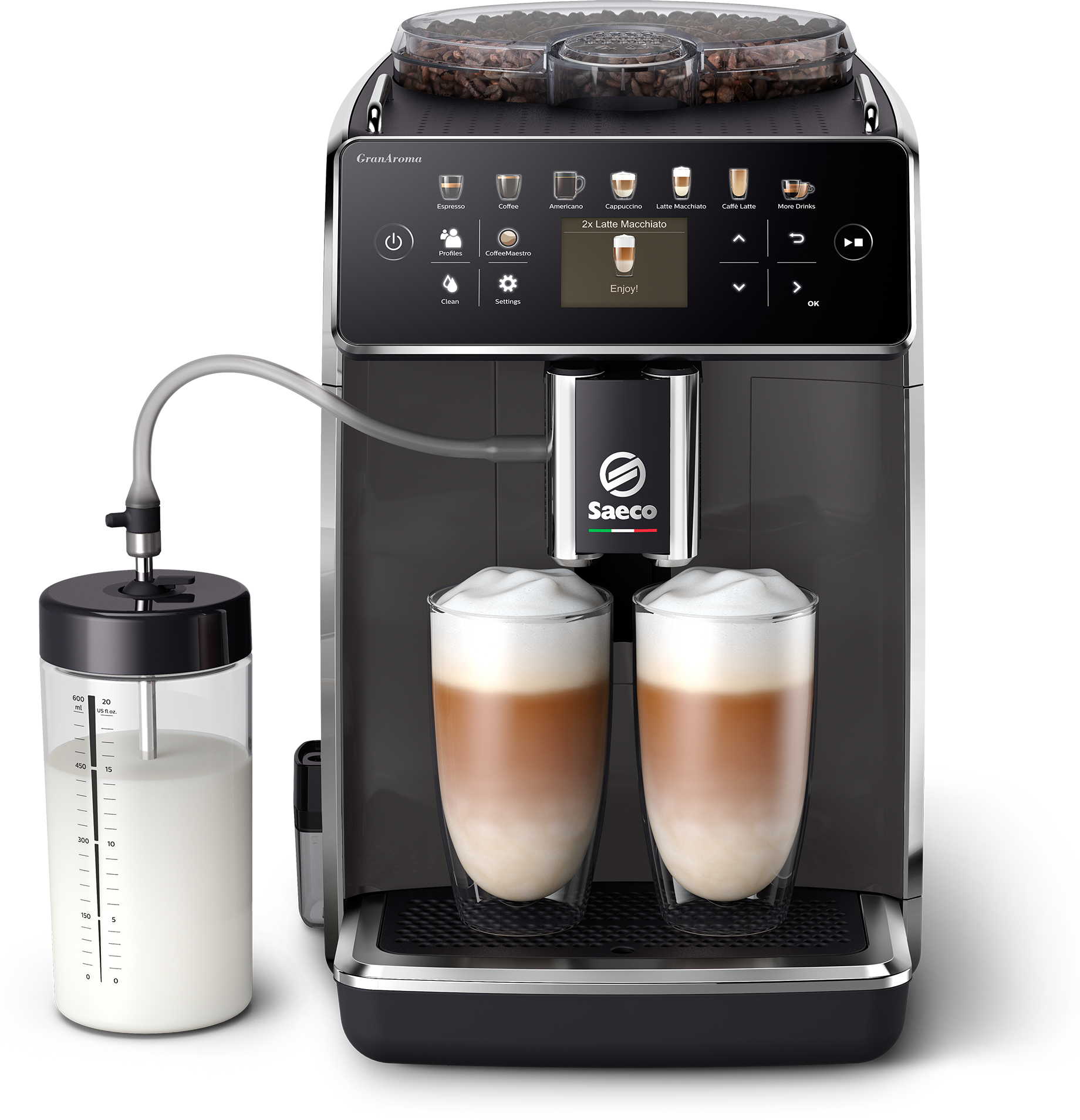
The Saeco Espresso Machine is a popular choice for coffee lovers who want café-style espresso at home with the convenience of a fully automatic system. Known for its integrated grinder, one-touch beverage preparation, removable brew group, and easy maintenance design, it delivers consistent espresso, lungo, and milk-based drinks with minimal effort. Whether you are a beginner looking for a simple daily coffee routine or an experienced user who wants more control over grind size, coffee strength, and temperature, a Saeco espresso machine offers a practical balance of performance and usability.
These machines are especially well suited for busy households, small offices, and anyone who values freshly ground beans over capsules or pod systems. Common benefits include fast heat-up times, customizable drink profiles, automatic rinsing cycles, and user-friendly controls. Many models also include touch displays, adjustable coffee volume, and energy-saving modes. Depending on the model, the Saeco Espresso Machine typically falls in the mid-range to premium category, with estimated prices ranging from about $400 to $1,500 or more. Availability is generally strong through major appliance retailers, coffee equipment stores, and online marketplaces, with refurbished and entry-level models often priced lower.
For users seeking a reliable bean-to-cup coffee maker with strong support for daily use, Saeco remains a well-known name in the super-automatic espresso machine category.
Specifications and Key Features of a Saeco Espresso Machine
- Machine type: fully automatic or super-automatic espresso machine
- Built-in ceramic or steel burr grinder for freshly ground coffee
- Adjustable grind settings, coffee strength, and beverage volume
- Water tank capacity varies by model, commonly around 1.8 to 2.0 liters
- Bean hopper capacity commonly ranges from 250 to 300 grams
- Pressure system typically designed around 15-bar class espresso extraction
- Removable brew group for easy cleaning and maintenance
- Automatic rinse, descale, and cleaning reminders on many models
- Hot water and steam function for tea, milk frothing, and americanos
- Touchscreen or button-based interface depending on the model
- Energy-saving standby mode and automatic shutoff on selected versions
In practical use, a Saeco Espresso Machine competes closely with other super-automatic brands such as Philips, De’Longhi, and Jura. Compared with entry-level coffee makers, it offers far more customization and fresher flavor. Compared with higher-end Jura systems, Saeco models are often more affordable and easier to service, while still delivering strong espresso quality and dependable daily performance.
Setup Guide: How to Set Up Your Saeco Espresso Machine
Start by unpacking the machine, removing all protective material, and placing it on a flat, stable surface away from direct heat and water splashes. Rinse the water tank, fill it with fresh drinking water, and insert it securely. Add coffee beans only after confirming the hopper is clean and dry. If your model includes a removable brew group, check that it is seated correctly before powering on the machine.
Plug the unit into a grounded outlet and follow the on-screen setup prompts or button sequence. Select your preferred language, water hardness setting, and drink defaults if available. Many models allow you to configure coffee strength, cup size, aroma intensity, and pre-infusion settings. If your machine supports connectivity features or app-based controls, pair it using the manufacturer’s instructions in the companion app or device menu.
Run the initial rinse cycle before preparing the first drink. This helps prime the water circuit and flush internal components. Safety warnings: never operate the machine without water in the tank, avoid touching hot surfaces during brewing, and do not remove the brew group while the machine is running. If the machine fails to start, recheck the power connection, water level, and properly locked brew group.
Troubleshooting Common Saeco Espresso Machine Problems
If your Saeco Espresso Machine shows an error or fails to brew correctly, the issue is often related to blockage, priming, overheating, or the brew group. A common problem is a clogged coffee funnel. In many cases, switching the machine off, removing the brew group, and clearing the funnel with the handle of a spoon can resolve the issue. Another frequent issue is an airlock in the water circuit, which can prevent priming and stop espresso delivery.
- Error 01 or E01: coffee funnel blocked; clear the coffee path and clean the funnel
- Error 03 or E03: brew group blocked or clogged; rinse, lubricate, and reseat the brew group
- Error 04 or E04: brew group not locked correctly; reinstall and secure the brew group
- Error 05 or E05: pump or internal fault; contact service support for diagnosis
- Error 14 or E14: machine overheated; switch off and let it cool for at least 60 minutes
- Error 268: ventilation or priming error; refill the tank, run hot water, and re-prime the circuit
Preventive maintenance includes regular descaling, cleaning the brew group, emptying drip trays, and using filtered water when possible. Saeco warranty coverage is commonly 24 months for consumer products, though coverage can vary by region and model. For help, users should contact the official Saeco support center or the retailer that supplied the machine. In North America, Philips-Saeco support is commonly reached through the official consumer support channels or regional technical support lines.
Pros and Cons of the Saeco Espresso Machine
Pros
- Fresh bean-to-cup coffee with built-in grinding and automatic brewing
- User-friendly controls make daily use simple for beginners
- Removable brew group makes cleaning and maintenance easier
- Customizable drink settings improve consistency and taste
- Good value for money in the super-automatic espresso machine category
- Suitable for home kitchens, offices, and frequent coffee drinkers
Cons
- Higher upfront cost than drip coffee makers or pod machines
- Regular cleaning and descaling are necessary to prevent errors
- Some models can be noisy during grinding and brewing
- Internal blockages may require troubleshooting or service support
- Milk systems on certain versions need frequent cleaning
Compared with capsule machines, the Saeco Espresso Machine delivers better flavor and lower long-term bean cost. Compared with premium alternatives, it often offers a strong balance of features, repairability, and everyday convenience.
Customer Reviews and Real-World Feedback
Customer feedback for the Saeco Espresso Machine is generally positive, with many users giving it 4 out of 5 stars or higher for convenience, espresso quality, and ease of use. Buyers often praise the fresh taste from whole beans, the fast morning workflow, and the automatic cleaning reminders. One common compliment is that the machine makes home espresso feel close to a café experience without requiring advanced barista skills.
Frequent complaints usually involve noise during grinding, occasional clogging, and the need for regular maintenance to keep performance consistent. Some users also mention that milk frothing systems and brew-group cleaning require more attention than expected. Even so, most reviewers consider it a worthwhile purchase for anyone who drinks espresso daily and wants a reliable, automated solution. For best results, it is recommended for households that value convenience, customization, and freshly brewed coffee over low-cost basic brewing.
Frequently Asked Questions About Saeco Espresso Machines
- How often should I clean it? Clean the brew group weekly and descale when prompted or based on water hardness.
- Why is my machine not brewing? Check the water tank, bean hopper, brew group, and any error code on the display.
- Can I use pre-ground coffee? Many models support a pre-ground coffee funnel, but whole beans usually deliver better flavor.
- Is it worth the price? Yes, if you want fresh espresso, automatic convenience, and long-term daily use.
Faqs
How do I set up a saeco Espresso Machine for the first time?
Why is my saeco Espresso Machine not brewing coffee even though it powers on?
What grind size works best in a saeco Espresso Machine for rich espresso?
How do I fix low water flow or weak espresso from my saeco Espresso Machine?
Can I use milk alternatives with a saeco Espresso Machine milk frother?
How often should I descale and clean a saeco Espresso Machine?
Why does my saeco Espresso Machine show a bean grinder error or noisy grinding?
What features should I use to get better coffee from my saeco Espresso Machine?
More saeco manuals
Leave a Comment