
Sana Standard Smart Bread Maker User Manual
Content
sana Standard Smart Bread Maker: Complete Product Manual and Buying Guide
Introduction
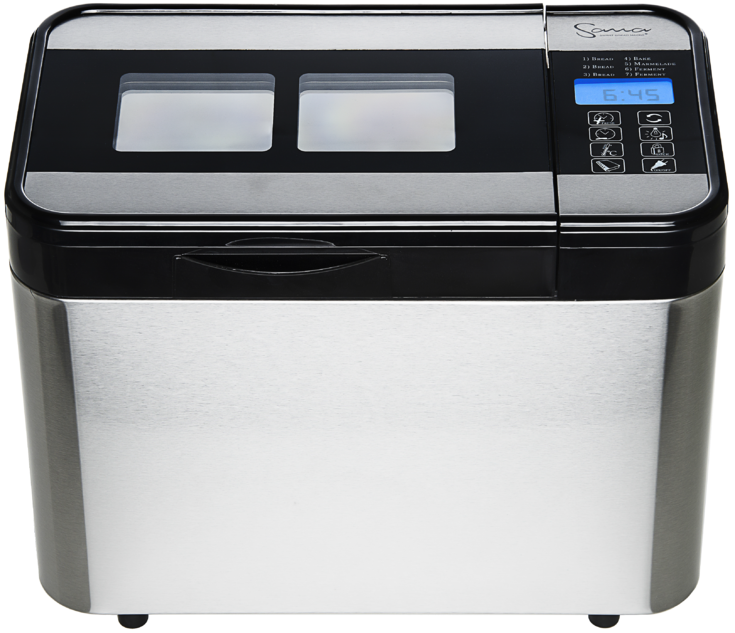
The sana Standard Smart Bread Maker is a premium stainless-steel bread machine designed for users who want more control over homemade baking without sacrificing convenience. Built around a stainless steel baking pan and kneaders, it stands out for its durable construction, clean design, and temperature-focused baking performance. This model is especially appealing to health-conscious households, sourdough enthusiasts, and anyone looking for a non-toxic bread maker with better material choices than typical nonstick alternatives.
With 7 programmable settings, a wide bread capacity range from 500 g to 1,700 g, and a temperature range from 20 °C to 230 °C, the machine supports everything from everyday white loaves to denser whole-grain recipes. The dual kneaders help improve dough consistency, making it suitable for family-sized loaves and more advanced baking needs. The stainless steel body also gives it a professional look that fits well in modern kitchens.
This bread maker is a strong match for users who value ingredient control, simple operation, and sturdy build quality. It is commonly used for homemade sandwich bread, artisan-style loaves, enriched doughs, and temperature-sensitive recipes. The estimated price range is roughly €309 to €384 depending on retailer and region, with availability varying by market. For shoppers comparing premium stainless steel bread makers, the sana Standard Smart Bread Maker is positioned as a high-quality, long-lasting option in the mid-to-premium segment.
Specifications: sana Standard Smart Bread Maker Technical Details
- Model: sana Standard Smart Bread Maker
- Power: 815 W
- Voltage: 220–240 V
- Number of programs: 7 adjustable baking programs
- Temperature range: 20 °C to 230 °C
- Thermostat accuracy: 1 °C
- Bread capacity: 500 g to 1,700 g
- Kneaders: 2 stainless steel kneaders
- Bread pan material: Stainless steel
- Dimensions: 30 x 40 x 22.5 cm
- Weight: 10 kg
- Warranty: 24 months
- Color: Stainless steel
Compared with many standard home bread makers, this model emphasizes premium materials rather than a lower-cost nonstick pan. The dual kneader design and stainless steel pan make it especially attractive for users searching for a stainless steel bread maker or a bread machine for healthier homemade baking. In performance terms, its broad temperature control and large loaf range place it above many entry-level bread machines that offer fewer settings and less precise heat management.
Troubleshooting: Common Problems and How to Fix Them
If the bread comes out dense, check yeast freshness, water temperature, and ingredient ratios. Dense loaves are usually caused by inactive yeast, too much flour, or an incorrect program setting. If the dough is too dry or too wet, adjust liquid by small increments of 10 to 15 ml and retest the recipe. When the loaf does not rise properly, ensure the kneaders are seated correctly and that salt is not placed directly on the yeast at the start.
If the machine does not start, confirm that the power cord is fully connected and the outlet supplies 220–240 V. If the display appears unresponsive, unplug the unit for a few minutes and restart it. No official error-code list is commonly published for this model, so most issues are handled through standard reset and inspection steps rather than code-based diagnostics.
Preventive care includes cleaning the pan after each use, avoiding metal utensils on the stainless steel surfaces, and storing the machine in a dry area. The unit comes with a 24-month warranty on motor and parts, which is useful if the machine develops a mechanical or electrical fault. For help, users should contact the retailer or the official Sana support channel listed by the seller for warranty service, replacement parts, or product guidance.
Pros and Cons of the sana Standard Smart Bread Maker
Pros
- Stainless steel bread pan and kneaders offer a premium, nonstick-free construction.
- Large 500 g to 1,700 g loaf capacity suits singles, couples, and families.
- Precise temperature control supports more consistent baking results.
- Two kneaders improve dough mixing for heavier breads and larger batches.
- Strong value for users seeking a durable premium bread maker instead of a basic entry-level machine.
- Ideal for health-conscious buyers looking for a bread maker with stainless steel pan.
Cons
- Heavier and bulkier than compact bread machines at 10 kg.
- Only 7 programs, so it may feel limited compared with feature-rich smart bread makers.
- Higher price than many mainstream home bread makers.
- Stainless steel surfaces can show fingerprints and require regular wiping.
- Not the best choice for buyers who want the cheapest automatic bread maker.
Overall, the sana Standard Smart Bread Maker offers strong value for money if build quality and material safety matter more than having dozens of preset functions. Compared with lower-priced alternatives, it is better suited to users who want durability, precise heat control, and a premium baking chamber.
Customer Reviews: What Buyers Say About the sana Standard Smart Bread Maker
Customer feedback is generally positive, with many users praising the stainless steel pan, sturdy build, and consistent loaf quality. A common rating pattern is around 4.5 out of 5 stars, especially among buyers who specifically wanted a stainless steel bread maker for everyday home use. Users often mention that the dual kneaders help produce well-mixed dough and that temperature control makes a noticeable difference in baking consistency.
Common complaints usually focus on the higher price, larger footprint, and the learning curve for first-time bread machine owners. Some buyers also prefer more automated or specialized programs. Typical testimonials describe the machine as “solid, reliable, and easy to clean,” while others say it is “worth the price for stainless steel construction.”
For shoppers comparing premium bread makers, this model is recommended for those who want long-term durability, cleaner material choices, and dependable home baking results.
Faqs
How do I set up the sana Standard Smart Bread Maker for the first time?
Why is my sana Standard Smart Bread Maker not mixing dough evenly?
What bread settings should I use on the sana Standard Smart Bread Maker for soft sandwich bread?
Can I use whole wheat flour or gluten-free flour in the sana Standard Smart Bread Maker?
What should I do if the bread comes out too dense in the sana Standard Smart Bread Maker?
How do I clean and maintain the sana Standard Smart Bread Maker safely?
How do I prevent the crust from getting too dark in the sana Standard Smart Bread Maker?
What ingredients or accessories are best for getting consistent results with the sana Standard Smart Bread Maker?
More sana manuals
Leave a Comment